


Eye Pain
Care Options for Eye Pain
Eye Pain can feel scary, especially when vision seems different. This category page gathers practical resources for patients and caregivers. It focuses on common causes, symptom patterns, and care pathways. Use it to compare related condition collections and learn key terms.
Some discomfort starts suddenly, while other cases build over days. Some pain stays on the surface, while other pain feels deeper. Many people also notice tearing, redness, or light sensitivity. This page does not diagnose, but it can help organize next steps.
Visits happen by video with licensed U.S. clinicians.
Eye Pain: What You’ll Find
This collection connects eye-related condition pages that often overlap with painful symptoms. Browse options tied to dryness, irritation, inflammation, and infection. You can start with Dry Eye, Eye Allergy, Eye Inflammation, or Bacterial Eye Infection. Each page can highlight typical features and common care settings.
Many people search by how the discomfort feels. Examples include sharp pain, burning sensation, or throbbing pressure. Some notice pain behind the eye or pain in the eye socket. Others report pain on movement, pain when blinking, or eyelid tenderness. Light sensitivity (photophobia) can point to surface irritation or deeper inflammation. Contact lens discomfort and corneal abrasion symptoms often show up together. Headache patterns also matter, including migraine and cluster headache features.
- Condition-aligned browse pages related to common symptom patterns
- Plain-language explanations of terms used in eye evaluations
- Safety context for red flags and time-sensitive symptoms
- Administrative notes on prescriptions, pharmacy routing, and verification
- Links to broader pain and inflammation resources on Medispress
How to Choose
This page helps compare Eye Pain patterns in a consistent, skimmable way. The goal is better preparation for care, not self-diagnosis. Use the links to narrow what seems most similar to the current situation. Then review the safety notes before considering any next step.
Match the symptom pattern
Start by grouping symptoms into a simple pattern. Surface irritation often feels scratchy, dry, or gritty. Conjunctivitis (pink eye) often includes redness and discharge. Uveitis (inner eye inflammation) can include deep aching and photophobia. Optic neuritis (optic nerve inflammation) may include pain with eye movement. Acute angle-closure glaucoma can include severe pain and halos around lights.
- Onset: sudden, gradual, or recurring in episodes
- Location: eyelid, surface, behind the eye, or temple area
- Laterality: one eye, both eyes, or switching sides
- Vision changes: blur, halos, new floaters, or reduced clarity
- Associated signs: discharge, crusting, tearing, swelling, or itching
- Triggers: screens, wind, smoke, allergens, or contact lens wear
- System symptoms: fever, sinus pressure, or facial tenderness
- Headache overlap: nausea, one-sided pressure, or scalp sensitivity
- Exposure risks: chemicals, dust, metal work, or recent eye injury
Prepare for a clinician visit
Good documentation improves the quality of a remote discussion. Note timing, triggers, and what changed since symptoms started. If relevant, record contact lens brand and wear schedule. Photos of redness or swelling can be useful for review. Keep a short medication list, including eye drops and supplements.
Quick tip: Keep lens brand, symptoms, and photos ready for appointment intake.
Safety and Use Notes
Some Eye Pain patterns need urgent evaluation, even when redness looks mild. Severe pain with vision changes can signal a time-sensitive problem. Chemical exposure and eye trauma also raise urgency. Contact lens wear with pain and redness can also be higher risk.
Appointments run in a secure, HIPAA-compliant mobile app.
- Sudden vision loss, new severe blur, or marked light sensitivity
- Severe headache with nausea, vomiting, or neurologic symptoms
- Halos around lights or rapidly worsening eye pressure sensation
- Recent eye injury, foreign body exposure, or metal grinding exposure
- Chemical splash or burn, even after brief contact
- Marked swelling around the eye, fever, or spreading facial redness
- Severe pain behind the eye with movement limitation
- Contact lens wear with intense pain, discharge, or corneal haze
Non-prescription steps can support comfort while care is being arranged. Many people avoid rubbing the eye and pause contact lenses. Clean hands reduce the chance of spreading infection between eyes. Avoid sharing cosmetics, towels, or eye drops. Avoid using leftover antibiotic or steroid drops without clinician review. Screen breaks and lighting adjustments may help with eye strain relief.
Why it matters: Delays can raise risk when vision changes or pressure rises.
See guidance from the American Academy of Ophthalmology on eye pain.
Access and Prescription Requirements
For Eye Pain linked to infection or inflammation, clinicians may consider prescription treatments. Some causes only need supportive care, while others need in-person exams. Certain symptoms may require an urgent eye exam or emergency evaluation. This collection can help clarify what typically drives those decisions.
Medispress supports video visits with licensed clinicians, when appropriate for symptoms. Clinicians make the medical decisions based on the information available. When clinically appropriate, prescriptions may be coordinated through partner pharmacies. Licensed dispensing and prescription verification apply where required by law. Cash-pay options are available, often without insurance, depending on the medication.
When appropriate, clinicians can send prescriptions through partner pharmacies, per state rules.
- Expect questions about vision changes, exposures, and contact lens use
- Photo review may be requested for redness, swelling, or discharge
- Prescription items require a valid clinician order and pharmacy review
- State rules can affect what can be prescribed and where it ships
- Follow-up needs can vary based on symptom changes and exam findings
Related Resources
If Eye Pain occurs with broader aches or recurrent headache patterns, broader navigation can help. Browse the general Pain collection for shared terms and care settings. For short-term flare-ups, review Acute Pain topics and the Pain And Inflammation category page. For ongoing symptom management discussions, see Pain Management. If dizziness overlaps with headaches, Dizziness Relief Methods may help with symptom vocabulary.
For conjunctivitis background, review CDC conjunctivitis basics before comparing similar conditions here.
This content is for informational purposes only and is not a substitute for professional medical advice.

Find suitable medication for Eye Pain
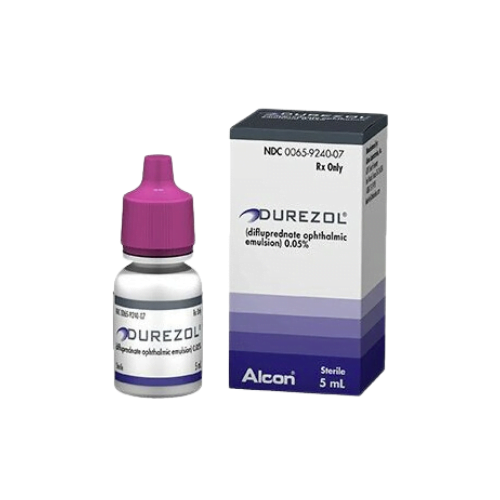
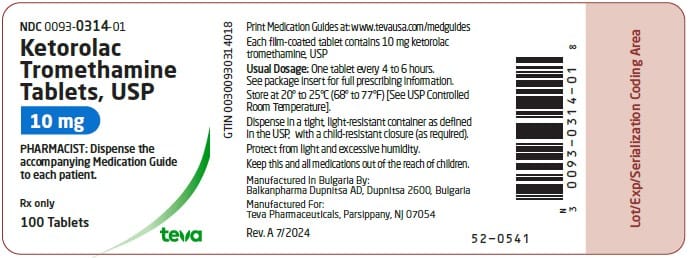

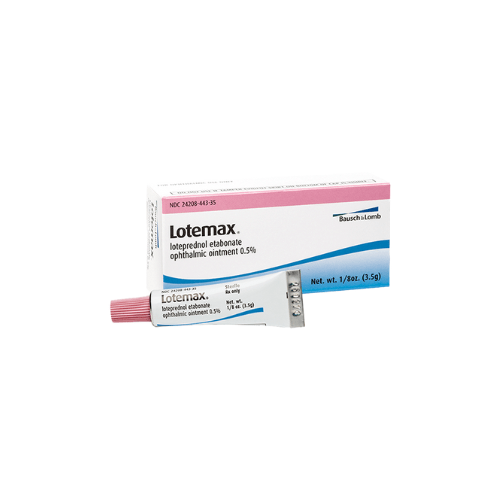

Book a telehealth visit to discuss Eye Pain
Find a doctor
Speciality
State

Video Visit
$69

Video Visit
$69

Video Visit
$69

Video Visit
$69

Video Visit
$69

Video Visit
$69

Speciality: Dermatology, Family Medicine, Men's Health, Urgent Care, Women's health
Speaks: English, Spanish, French, Arabic, Portuguese
Video Visit
$69

Video Visit
$69

Video Visit
$69

Video Visit
$69

Video Visit
$69

Video Visit
$69
Frequently Asked Questions
What kinds of topics are included in this Eye Pain category?
This category focuses on common reasons an eye can hurt. It includes related condition collections like dryness, allergy, inflammation, and infection. It also explains symptom terms people often search for online. Examples include burning, sharp pain, and light sensitivity. Administrative sections cover prescription requirements and pharmacy coordination. Use it to compare patterns and organize questions for a clinician.
How can I compare dry eye, allergy, and infection symptoms?
These problems can overlap, so comparisons help, but they cannot confirm a cause. Dryness often feels gritty and may worsen with screens or wind. Allergies often include itching and watery tearing, sometimes in both eyes. Infection can include thicker discharge and eyelid crusting. Pain with contact lenses can change the risk picture. A clinician may consider timing, exposures, and visual changes when reviewing symptoms.
When is eye pain considered urgent?
Urgency depends on the symptom pattern and what else is happening. Sudden vision loss, severe light sensitivity, or trauma can be time-sensitive. Chemical exposure also calls for urgent evaluation. Severe headache with nausea or neurologic symptoms raises concern. Halos around lights with intense pain can also be serious. Contact lens wear with strong pain and redness may need prompt in-person assessment.
Do I need a prescription for medications used for eye pain?
Some treatments require a prescription, and others do not. Antibiotic eye drops, certain anti-inflammatory drops, and some oral medicines need clinician authorization. Non-prescription options may include lubricating drops or supportive items, depending on symptoms. A pharmacy typically verifies prescriptions before dispensing where required. The right care setting can vary based on vision changes, exposure history, and exam needs.
Can telehealth be used to evaluate eye pain?
Telehealth can help with history review, risk screening, and next-step planning. It works best when symptoms are mild and the story is clear. Photos may support a clinician’s review of redness or swelling. Some situations still need an in-person eye exam. Examples include trauma, chemical exposure, or major vision changes. Clinicians decide whether remote care is appropriate based on the full picture.