


Acute Pain
Care Options for Acute Pain
Sudden, short-term pain can follow strain, illness, injury, or a procedure. This Acute Pain category page helps patients and caregivers browse common causes, care pathways, and safety basics. It also points to related Medispress resources for planning next steps.
Topics here can overlap with sudden back discomfort, neck stiffness, joint flares, dental pain, abdominal pain, or post-procedure soreness. Details like timing, location, triggers, and associated symptoms often shape next steps. Many clinicians also use a 0–10 pain scale to track changes over time.
Video visits are with licensed U.S. clinicians when telehealth fits the situation.
Acute Pain What You’ll Find
This browse page brings together practical information that supports decision-making and planning. It focuses on what people often look up first, like likely causes, comfort measures, and when symptoms need urgent attention. It also helps caregivers organize details for a clinician, without guessing at a diagnosis.
You can also use this category page to compare the kinds of options that may come up. These can include non-prescription approaches, supportive devices, and prescription-only treatments. Availability depends on the specific product and state requirements.
If a visit may be helpful, the Virtual Doctor Visit Guide explains how to prepare and what to expect.
- Plain-language explanations of sudden pain patterns and common triggers
- High-level overview of non-medication and medication categories
- Safety notes, including ingredient and interaction awareness
- Examples of situations that need urgent evaluation
- Links to related Medispress educational pages and collections
How to Choose
Sorting sudden pain into a clear description often improves the visit conversation. Acute Pain can feel similar across conditions, so the details matter. Use these checkpoints to organize what happened and what has changed.
Match the pain pattern to the situation
- Start time and speed of onset, including a clear before-and-after moment
- Location and whether it moves, spreads, or stays in one spot
- Quality of pain, like sharp, cramping, throbbing, or burning
- Triggers, including movement, eating, coughing, or chewing
- Other symptoms, like fever, swelling, numbness, or nausea
Review medicine basics without doubling ingredients
- Current medications, vitamins, and supplements, including as-needed items
- Allergies and past side effects, especially to pain medicines
- Liver, kidney, stomach ulcer, or bleeding history if known
- Recent alcohol use, which can affect medication safety
- Whether a product contains combination ingredients, like cold medicines
Quick tip: Keep a simple timeline note in the phone or notebook.
Head and face pain can be its own category, with different warning signs. For comparisons, see Common Types Of Headaches and Cluster Headache Causes Signs. For migraine-specific home support topics, review Migraine At Home Steps.
Strong emotions can also amplify physical symptoms during stressful moments. If worry or panic is part of the picture, Signs Of Anxiety Disorders and Stop Panic Attacks Tips may help with language and coping tools.
Safety and Use Notes
Medication choices depend on the cause, other health conditions, and other medicines. Acute Pain sometimes leads people to stack products that share the same ingredient. That can raise the risk of side effects, especially with combination cold and flu products.
Two common over-the-counter categories are NSAIDs (nonsteroidal anti-inflammatory drugs) and acetaminophen (pain reliever and fever reducer). Each has different cautions, and labels matter. For a plain-language overview of pain and common approaches, see this neutral reference from MedlinePlus on pain basics and self-care.
Appointments run in a secure, HIPAA-compliant app designed for clinical visits.
Why it matters: Some emergencies start with pain as the first sign.
Urgent evaluation is often needed when pain comes with certain warning signs. This list is not complete, and symptoms can vary by person.
- Chest pressure, shortness of breath, or fainting
- Severe abdominal pain with repeated vomiting or rigid belly
- Sudden weakness, facial droop, confusion, or trouble speaking
- Severe headache with stiff neck, high fever, or new confusion
- Major injury, deformity, uncontrolled bleeding, or severe swelling
- Dental pain with face swelling, fever, or trouble swallowing
- Postoperative (after surgery) pain with pus, spreading redness, or high fever
Some people ask about opioids for severe discomfort. These medications have serious risks, and they are not appropriate in many situations. For general safety context, see CDC information on opioid risks and safety.
Access and Prescription Requirements
If symptoms suggest a time-sensitive problem, in-person care may be needed. If telehealth is appropriate, this page can help organize questions and compare options. Acute Pain concerns often benefit from clear documentation of onset, limits, and prior treatments tried.
Some treatments require a prescription, while others do not. When a prescription is needed, it must come from a licensed clinician after an appropriate evaluation. Medispress can also support cash-pay access, often without insurance, depending on the service and item.
When appropriate, providers can route prescriptions to partner pharmacies, per state rules.
- Prescription-only items require clinician authorization and pharmacy processing
- State regulations may limit what can be prescribed via telehealth
- Pharmacies may verify identity and prescription details before dispensing
- Some conditions need an exam, testing, or imaging that telehealth cannot provide
For a broader sense of scope, see What Can Telehealth Treat. For visit planning, Top Questions Telehealth Visit can help structure the conversation.
Related Resources
Acute Pain sometimes overlaps with other urgent medical topics, depending on symptoms. If a clinician is considering other causes, browsing related collections may help with background terms. Examples include Acute Coronary Syndrome and Acute Dystonia.
Use the resources above to compare symptom patterns and prepare a clear summary. Bringing a medication list and recent vital readings can also help. This content is for informational purposes only and is not a substitute for professional medical advice.

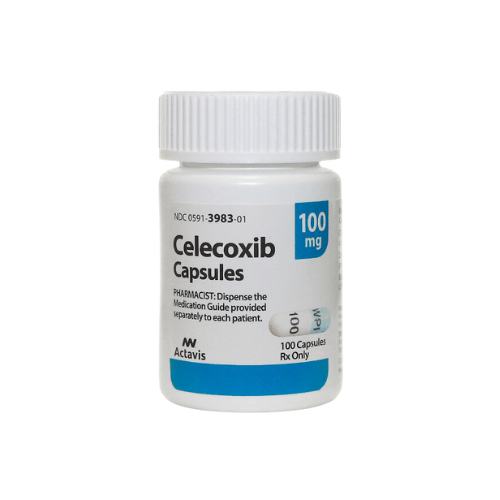
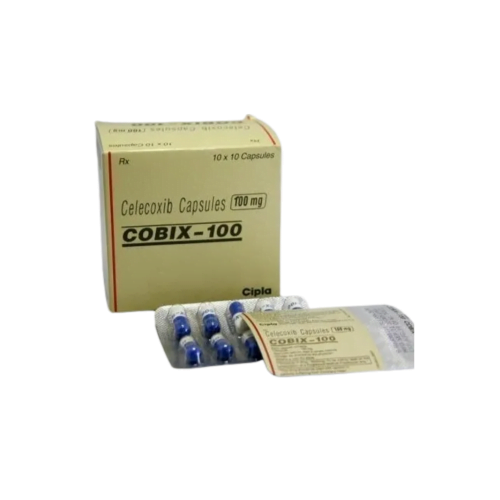
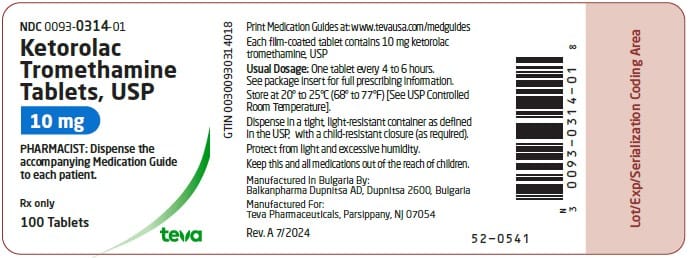
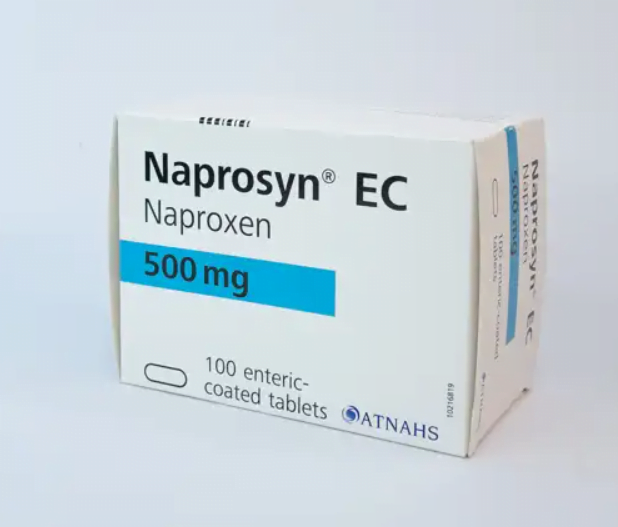
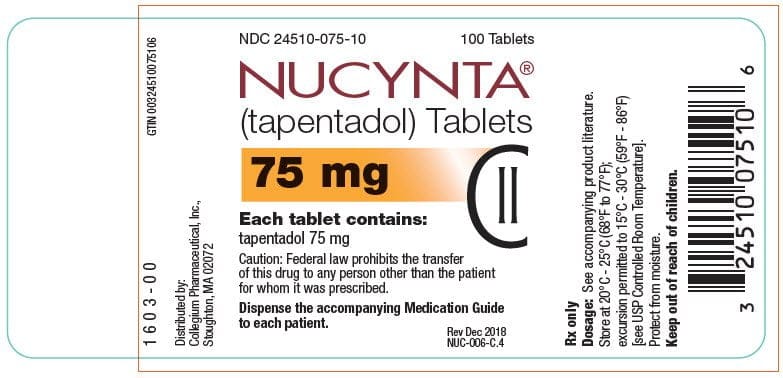
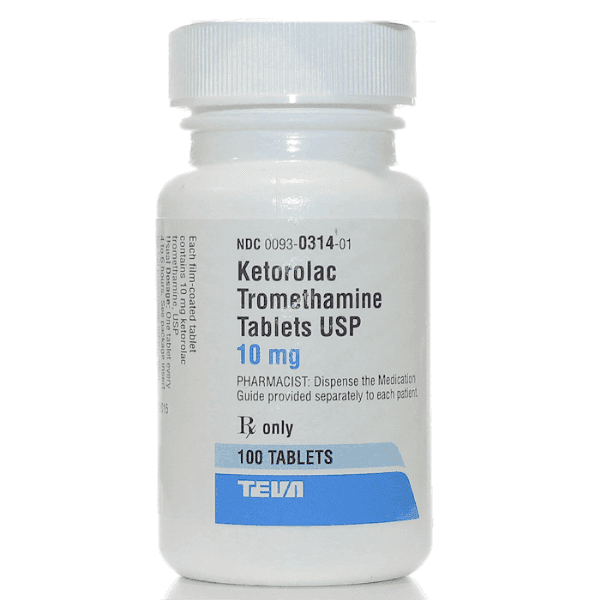
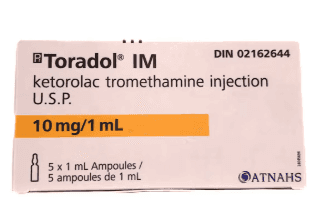
Find suitable medication for Acute Pain



Book a telehealth visit to discuss Acute Pain
Find a doctor
Speciality
State

Video Visit
$69

Video Visit
$69

Video Visit
$69

Video Visit
$69

Video Visit
$69
Meet Dr. Priya Asija: Board-Certified Family Physician and Wound Care Specialist Committed to Comprehensive CarePriya Asija is a board-certified Family Medicine physician and Wound Care Specialist with more than 15 years of experience. Her work includes primary care, urgent care-style visits, telemedicine, and advanced wound management. She holds a Wound Care Certification (WCC) through NAWCO, is credentialed in hyperbarics, and maintains BLS and ACLS certifications. She is licensed to practice in Texas, Florida, Pennsylvania, Wisconsin, Alabama, Arizona and Illinois.Dedicated to delivering high-quality, patient-centered care, Dr. Asija treats a wide range of acute and chronic medical conditions, provides preventive services, and specializes in wound care and hyperbaric medicine. She is the owner of Brookfield Family Practice, division of SAAK Health Care, partner at SAAK Wound Care Clinic and Hyperbarics, and serves as Medical Director for Wisconsin Wound Pros. Her services include primary care visits, urgent care management, wound evaluations, hyperbaric therapy oversight, telemedicine consultations, and prescription refill appointments when medically appropriate to support continuity of care.Fluent in English, Dr. Asija combines strong clinical expertise with compassionate communication. She collaborates closely with patients and interdisciplinary teams to promote healing, preventive health, and long-term wellness, ensuring accessible and comprehensive care across the states in which she practices.
Read Bio
Speciality: Family Medicine
Speaks: English
Video Visit
$69

Video Visit
$69

Video Visit
$69

Video Visit
$69

Video Visit
$69

Video Visit
$69
Frequently Asked Questions
What is acute pain, and how is it different from chronic pain?
Acute pain usually starts suddenly and has a clear trigger. Common triggers include injury, illness, dental problems, or surgery. It often improves as the underlying problem heals or resolves. Chronic pain generally lasts longer and can continue after healing. The timeline is not the only difference. Chronic pain can also affect sleep, mood, and daily function more persistently. A clinician may use duration, pattern, and exam findings to clarify the category.
What should I have ready before scheduling a telehealth visit for pain?
Having a few basics ready can make the visit more efficient. Note when the pain started and what was happening then. Write down where it is, what it feels like, and what makes it worse. Track associated symptoms like fever, swelling, numbness, or nausea. Prepare a current medication list, including over-the-counter items and supplements. If there was an injury, photos of swelling or bruising can be helpful.
What are common red flags that need urgent evaluation?
Some symptoms suggest a higher-risk situation that needs prompt in-person evaluation. Examples include chest pressure with shortness of breath, fainting, or confusion. Severe abdominal pain with repeated vomiting can be concerning. New weakness, facial droop, or trouble speaking also needs urgent attention. Severe headache with stiff neck, high fever, or confusion can be serious. Major injuries with deformity, uncontrolled bleeding, or severe swelling should be evaluated quickly.
Can telehealth help with acute pain concerns?
Telehealth can help with many pain-related questions, especially when symptoms are stable. A clinician can review history, discuss symptom patterns, and identify warning signs. They can also help with next-step planning, such as when an in-person exam is needed. Some pain causes require hands-on evaluation, imaging, or lab testing. Telehealth is often best for triage, education, and follow-up, rather than emergency care.
How do prescriptions and pharmacy coordination work on Medispress?
Some treatments require a prescription, and others do not. If a prescription is clinically appropriate, a licensed clinician must authorize it. Medispress can coordinate prescription options through partner pharmacies, depending on state rules. Pharmacies may verify prescription details and patient information before dispensing. Not every condition is suitable for telehealth prescribing. When restrictions apply, the clinician may recommend in-person care or additional evaluation steps.