


Epilepsy
Care Options for Epilepsy
Managing a seizure condition often involves long-term planning and reliable information.
This category page focuses on Epilepsy and medicine options that clinicians may consider. It is built for patients and caregivers who want clear, practical context. The page helps explain common seizure patterns, like focal seizures and generalized seizures. It also covers terms like absence seizures and tonic-clonic seizures in plain language. Use it to compare medication names, formulations, and key safety notes. Bring questions from this page to a licensed clinician who knows the full history.
Visits are by video with licensed U.S. clinicians.
Epilepsy What You’ll Find
This browse page brings together medication information pages used in seizure care. Each medication page is designed for quick scanning and deeper reading. It may cover what a drug is, why it is prescribed, and major precautions. It also may note common forms, like tablets, liquids, or chewables.
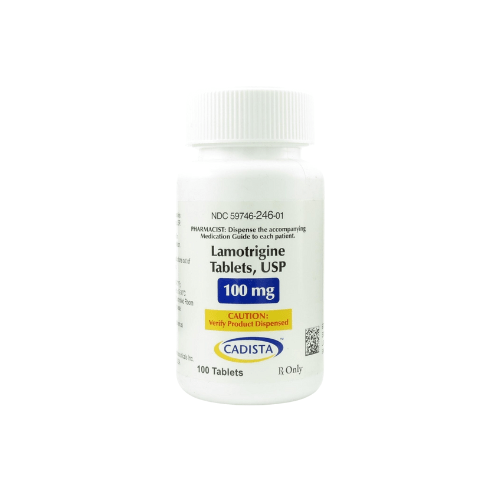
Some people recognize brand and generic names but want clear side-by-side context. Others need help reading labels, tracking refills, or organizing caregiver notes. You can open pages such as Lamotrigine or Levetiracetam and review key considerations. You can also compare options like Topiramate and Dilantin for naming, formulation, and safety notes.
This page also supports everyday planning around seizure triggers and routines. Many families track sleep, illness, missed doses, and stress changes. Caregivers often look for clear language to share with schools or workplaces. The goal here is organization and understanding, not self-treatment.
- Medication pages with plain-language summaries and key precautions
- Brand and generic names to help reduce mix-ups
- Common terminology for seizure types and symptom descriptions
- Administrative notes about prescriptions and pharmacy coordination
- Links to trusted external references for background learning
How to Choose
When comparing options for Epilepsy, focus on fit and clarity. Different pages may highlight different practical details. Use the items below to guide questions and comparisons. A clinician can then weigh benefits and risks for the situation.
Focus on practical details you can verify
- Exact medication name and whether it is brand or generic
- Dosage form details, like tablets, liquids, or sprinkle capsules
- How the label describes storage and handling requirements
- Whether the page notes major interactions or warning themes
- Any special cautions for children, older adults, or pregnancy
- What to do if a dose is missed, to discuss with clinicians
- How refill timing and pharmacy coordination typically works
Prepare questions for a clinician conversation
Bring a current medication list, including supplements and over-the-counter drugs. Include allergies and any past reactions. Note any breakthrough seizures, injuries, or recent hospital visits. If a brand name changed at the pharmacy, flag it. Pages like Keppra and Neurontin can help clarify naming and context before a visit.
Quick tip: Keep a simple seizure log with dates and key circumstances.
Safety and Use Notes
Medication safety often depends on consistent routines and good communication. People should not start, stop, or change medicines without clinician guidance. Sudden changes can raise risk for breakthrough seizures for some individuals. Alcohol, sleep loss, and illness can also affect seizure control. A neurologist (brain and nerve specialist) can help interpret patterns and next steps.
Our app supports secure, HIPAA-aligned video and messaging.
Some people with Epilepsy also plan for higher-risk situations, like bathing, swimming, or climbing. Many families review driving rules and workplace policies ahead of time. For pregnancy planning, clinicians may discuss risks and medication choices in advance. Pediatric care may involve school forms and caregiver training. For hard-to-control seizures, clinicians may discuss “refractory” disease (seizures that persist despite treatment). If a seizure seems unusually long, causes injury, or affects breathing, emergency services may be needed.
Why it matters: Simple safety planning can reduce injury risk during unexpected seizures.
- Keep an updated medication list in a wallet or phone note
- Ask clinicians about interaction risks with other prescriptions
- Review whether drowsiness could affect work or driving tasks
- Confirm what caregivers should do during a seizure episode
- Discuss pregnancy planning early if it may be relevant
- Share safety needs with schools, workplaces, or caregivers
- Know when to seek urgent help for concerning seizure changes
Access and Prescription Requirements
For Epilepsy medicines, pharmacies typically require a valid prescription. Prescription verification helps confirm the right medication and patient details. Some drugs may have additional checks based on state rules. Partner pharmacies handle licensed dispensing when a prescription is required.
Some people use cash-pay options, often without insurance, for simpler access. Availability and fulfillment rules can vary by state and medication type. Medispress supports telehealth visits through a secure app for clinical evaluation. Clinicians decide what is appropriate, based on the full medical picture. When appropriate, providers can coordinate prescriptions through partner pharmacies, per state rules.
Medication pages like Topamax may help clarify naming before a request is reviewed. Final prescribing decisions depend on clinician judgment and local regulations. If a refill is needed, clinicians may review seizure control, side effects, and medication history. They may also check for duplicate therapies and interaction concerns.
- Current medication names and recent pharmacy fill information
- Known allergies, past side effects, and major health conditions
- A list of other medications, including non-prescription products
- Preferred pharmacy details if options are available in the area
- Any caregiver notes about seizure frequency or safety concerns
- Questions about documentation for school, work, or travel needs
Related Resources
These links support day-to-day planning for Epilepsy while browsing medication pages. If chewable or alternative forms matter, see Lamictal Chewable for naming and general context. For public health background, review the CDC Seizure Disorder Basics. For research-oriented context, read the NINDS Seizures Overview.
If this page raises new questions, write them down clearly. Include what changed and when it changed. Bring those notes to the next clinical conversation. That approach can make visits more focused and less stressful.
- Use medication pages to confirm names and avoid brand-generic confusion
- Keep caregiver notes organized for school, work, or shared care
- Rely on emergency services for urgent seizure concerns
This content is for informational purposes only and is not a substitute for professional medical advice.

Find suitable medication for Epilepsy









Book a telehealth visit to discuss Epilepsy
Find a doctor
Speciality
State

Video Visit
$69

Video Visit
$69

Video Visit
$69

Video Visit
$69

Video Visit
$69
Meet Dr. Priya Asija: Board-Certified Family Physician and Wound Care Specialist Committed to Comprehensive CarePriya Asija is a board-certified Family Medicine physician and Wound Care Specialist with more than 15 years of experience. Her work includes primary care, urgent care-style visits, telemedicine, and advanced wound management. She holds a Wound Care Certification (WCC) through NAWCO, is credentialed in hyperbarics, and maintains BLS and ACLS certifications. She is licensed to practice in Texas, Florida, Pennsylvania, Wisconsin, Alabama, Arizona and Illinois.Dedicated to delivering high-quality, patient-centered care, Dr. Asija treats a wide range of acute and chronic medical conditions, provides preventive services, and specializes in wound care and hyperbaric medicine. She is the owner of Brookfield Family Practice, division of SAAK Health Care, partner at SAAK Wound Care Clinic and Hyperbarics, and serves as Medical Director for Wisconsin Wound Pros. Her services include primary care visits, urgent care management, wound evaluations, hyperbaric therapy oversight, telemedicine consultations, and prescription refill appointments when medically appropriate to support continuity of care.Fluent in English, Dr. Asija combines strong clinical expertise with compassionate communication. She collaborates closely with patients and interdisciplinary teams to promote healing, preventive health, and long-term wellness, ensuring accessible and comprehensive care across the states in which she practices.
Read Bio
Speciality: Family Medicine
Speaks: English
Video Visit
$69

Video Visit
$69

Video Visit
$69

Video Visit
$69

Video Visit
$69

Video Visit
$69
Frequently Asked Questions
What is included on this Epilepsy category page?
This page brings together medication information pages and practical context for seizure care. It is meant for patients and caregivers who want clear terminology, common safety themes, and administrative expectations. You can browse brand and generic names, learn how formulations differ, and note questions to discuss during a clinical visit. The page also links to selected external references for background learning. It does not replace individualized evaluation or clinical decision-making.
Do seizure medications require a prescription?
Many medications used for seizure control are prescription-only. Pharmacies typically verify a valid prescription before dispensing these drugs. Some related items, like certain supplements or safety supplies, may not require a prescription, but they are not substitutes for medical care. Requirements can differ by medication and by state rules. If a medication is prescription-only, a licensed clinician must determine whether it is appropriate and safe.
Can telehealth help with ongoing seizure medication needs?
Telehealth can support certain parts of ongoing care, such as reviewing medication lists, discussing side effects, and assessing whether a refill request is clinically appropriate. A clinician may also help clarify brand versus generic naming and identify possible interaction concerns. Some situations still require in-person evaluation, testing, or urgent care. Prescription routing can depend on state regulations and pharmacy policies, so fulfillment options may vary.
What information should I have ready before scheduling a visit?
Have a current medication list ready, including doses as listed on labels. Add non-prescription drugs, vitamins, and herbal products. Write down allergies and any past side effects or severe reactions. If seizures changed recently, note dates, triggers, injuries, and emergency visits. If a caregiver helps, bring their observations too. This information helps clinicians document history and make safer, more informed decisions.
When is a seizure an emergency?
Seek emergency help when a seizure seems unusually prolonged, involves injury, or causes breathing problems. Emergency care is also important if seizures happen back-to-back without recovery, or if someone is pregnant, has diabetes, or has other serious health risks. If it is a first-time seizure, urgent evaluation is often needed. Local emergency services can give guidance based on the situation and location.