


Eczema
Care Options for Eczema
Skin rashes can disrupt sleep, work, and daily routines. Eczema is a broad term for inflamed, itchy, and irritated skin. This category page brings together common care options, related dermatitis collections, and practical reading. It is meant for patients and caregivers who want to compare next steps. The goal is to make details easier to review before scheduling or browsing products.
Eczema What You’ll Find
This browse page groups information and items often used for dermatitis care. Listings may include skin-barrier supports, prescription-referred therapies, and symptom-focused products like itch relief options. It also highlights related condition groupings, since names can overlap between rashes.
For example, some people search by subtype or common labels. Others start with a broader dermatitis view, then narrow based on pattern and exposures. Related collections can help with that first pass, including Atopic Dermatitis and the Dermatitis Collection.
Medispress visits take place by video in a secure, HIPAA-compliant app.
- Common terms and definitions, including eczema types and look-alikes
- Shopping-style details like form, intended area, and label warnings
- Notes on triggers, flare patterns, and gentle skin care routines
- Links to deeper reading when questions go beyond product labels
How to Choose
Sorting options gets easier when the rash pattern is described clearly. For Eczema concerns, many people start by noting location, timing, and exposures. That context helps separate irritant reactions from longer-term inflammatory patterns. It also helps a clinician understand what changed before a flare.
Match the pattern to common categories
Different dermatitis patterns tend to cluster in certain areas. Names can sound technical, so a short translation helps. Dyshidrotic eczema (small, deep blisters on hands or feet) often looks different than nummular eczema (coin-shaped patches). Seborrheic dermatitis (flaky, oily areas) can overlap with scalp conditions. Stasis dermatitis (lower-leg changes with swelling) raises different screening questions.
| Type name | Common clues people notice | What it may be confused with |
|---|---|---|
| Atopic dermatitis | Recurring itch, dry skin, flexural areas | Psoriasis, scabies, irritant rash |
| Contact dermatitis | After a new product, metal, or plant | Atopic flares, infection, hives |
| Dyshidrotic eczema | Itchy blisters on sides of fingers or feet | Fungal rash, allergic reaction |
| Nummular eczema | Round patches, sometimes oozing or crusting | Tinea (ringworm), psoriasis |
Compare options with practical filters
- Body area: face, hands, scalp, or skin folds
- Age considerations: eczema in babies versus adult eczema
- Texture and tolerance: creams, ointments, lotions, or foams
- Ingredient sensitivities: fragrance, lanolin, or preservative concerns
- Nonsteroidal eczema treatments versus steroid-containing topicals
- Plan for routines: moisturizing frequency and bathing product choices
Quick tip: Keep a short photo timeline for visit prep and tracking.
When symptoms do not fit a typical pattern, comparing look-alikes helps. A common question is eczema vs psoriasis, since both can scale and itch. A clinician may consider distribution, nail changes, and thickness of plaques. They may also ask about family history and joint symptoms.
Safety and Use Notes
Eczema care may involve products with different risk levels and label rules. Some options focus on restoring the skin barrier, while others reduce inflammation. Labels and prescribing notes can vary by age, body area, and skin condition. Reading those details matters, especially for facial eczema and hand eczema.
Topical steroid for eczema products can be helpful for some people. They also require careful use for the right indication and area. Some nonsteroidal options may sting on broken skin. Wet wrap therapy may be discussed for severe flares, but it is not right for everyone.
- Check for “for external use only” and avoid mucous membrane exposure
- Review warnings about broken skin, infections, or occlusion
- Look for allergy statements and patch-test guidance on labels
- Consider fragrance-free and hypoallergenic moisturizers when sensitive
- Ask a clinician how long a plan should be reassessed
For a clinician-reviewed overview, see American Academy of Dermatology eczema information.
Licensed U.S. clinicians review history and images and make clinical decisions.
Why it matters: Clear details reduce delays when a rash changes quickly.
Access and Prescription Requirements
Some Eczema options are over-the-counter, while others require a prescription. This page may include both kinds of items, depending on what is listed. When a product requires a prescription, a licensed clinician must determine clinical appropriateness. Pharmacies also have verification steps before dispensing.
Many people prefer a straightforward cash-pay path, often without insurance. Availability and requirements can differ by state and pharmacy policies. Identity checks and allergy reviews may also apply, depending on the medication and setting.
- Prescription-only items require a valid prescription from a licensed clinician
- Photos and symptom timelines can support a more complete visit note
- Partner pharmacies may have their own counseling and safety checks
- Some items have quantity limits or age restrictions on the label
- Refills and transfers follow state and pharmacy regulations
When clinically appropriate, prescriptions can be coordinated through partner pharmacies, subject to state rules.
Related Resources
Short, practical reading can help with terms and expectations. For telehealth basics across conditions, see What Telehealth Can Treat. For common irritation patterns beyond classic rashes, review Skin Irritation Treatments That Work. For visit prep and remote care considerations, use Remote Support Treatment Tips. These resources pair well with browsing and can clarify what to track between flares.
For additional background, see NIAID information on atopic dermatitis.
This content is for informational purposes only and is not a substitute for professional medical advice.

Find suitable medication for Eczema
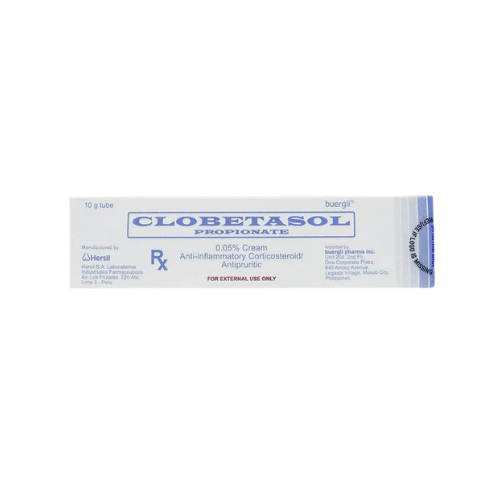
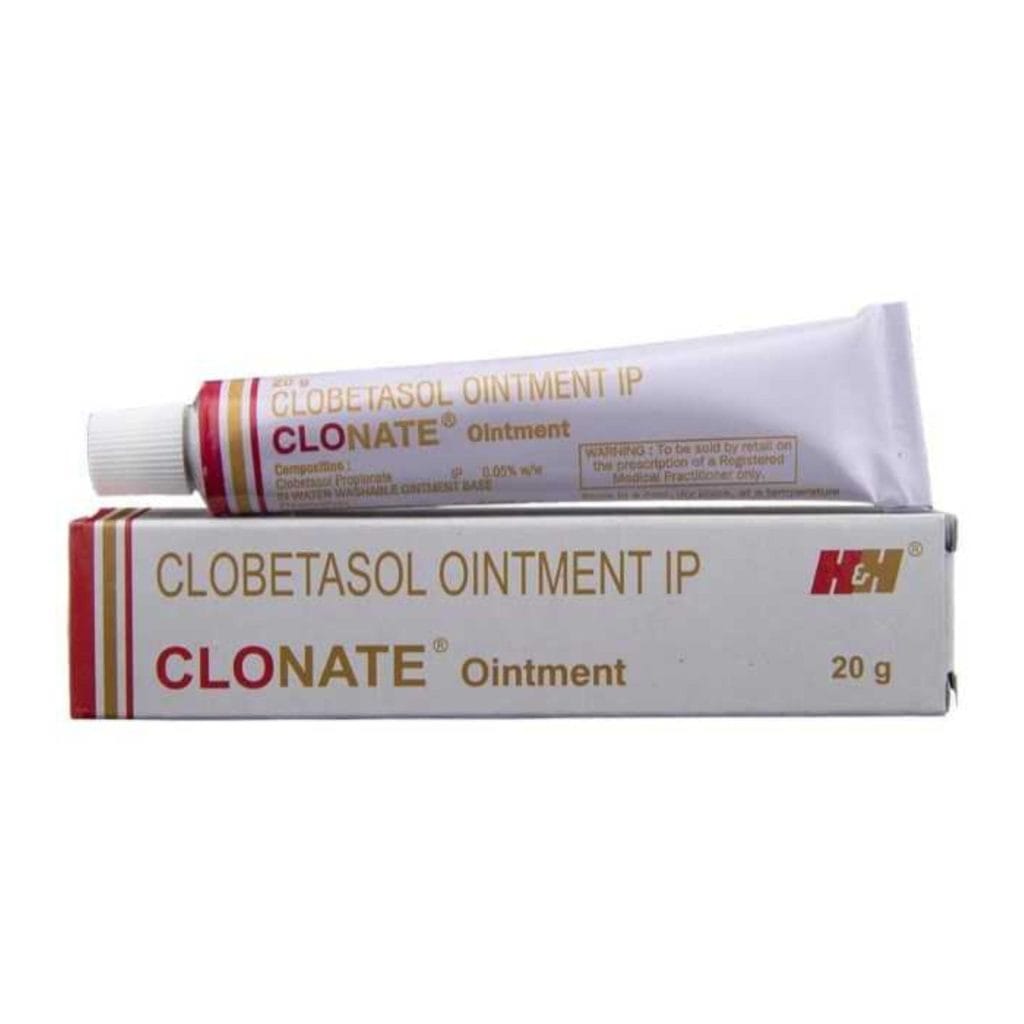
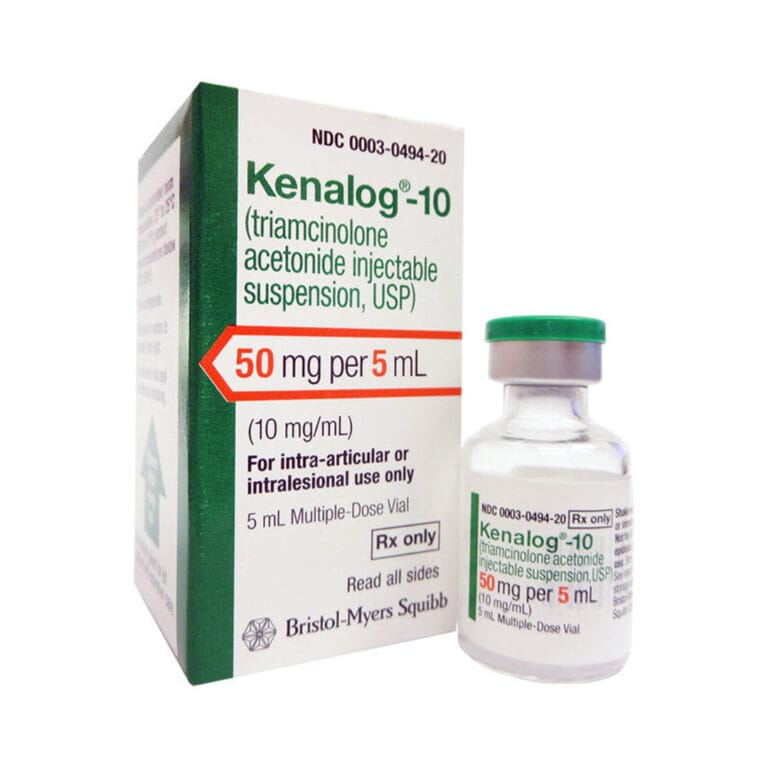
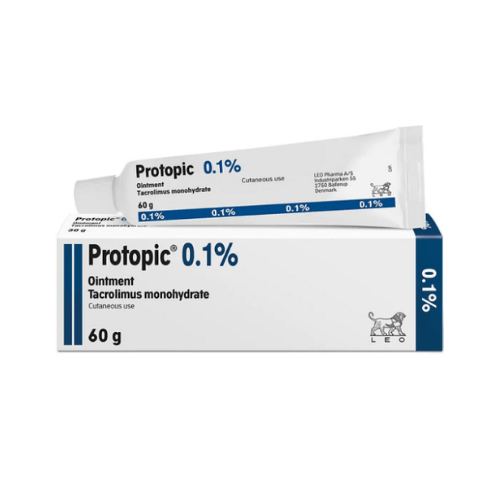
Book a telehealth visit to discuss Eczema
Find a doctor
Speciality
State

Video Visit
$69

Video Visit
$69

Video Visit
$69

Video Visit
$69

Video Visit
$69

Video Visit
$69

Speciality: Dermatology, Family Medicine, Men's Health, Urgent Care, Women's health
Speaks: English, Spanish, French, Arabic, Portuguese
Video Visit
$69

Video Visit
$69

Video Visit
$69

Video Visit
$69

Video Visit
$69

Video Visit
$69
Frequently Asked Questions
What does this Eczema category page include?
This category page brings together browsing options and education in one place. It may include items commonly used for skin-barrier support, itch relief, and inflammation control. Some listings may require a prescription, while others are over-the-counter. It also links to related dermatitis collections and reading, so terms feel less confusing. Use it to compare formats, intended areas, and label warnings before scheduling a visit.
What is the difference between eczema and psoriasis?
Both conditions can cause red, scaly, itchy patches. Psoriasis often forms thicker plaques with sharper borders. It may also involve nail changes or joint symptoms. Eczema more often links with dry, sensitive skin and recurring itch, especially in skin folds. Still, overlaps are common, and infections can mimic both. A clinician can review location, timing, and photos to help clarify the most likely diagnosis.
Can telehealth help with eczema concerns?
Telehealth can be useful for many skin concerns when good photos are available. A clinician can review symptoms, triggers, past treatments, and the rash pattern. They can also help decide whether an in-person exam is needed. When a prescription is clinically appropriate, a provider may coordinate options through partner pharmacies, depending on state rules. Telehealth works best when the rash is well lit and photographed from several angles.
What information is helpful to gather before a skin visit?
A short timeline often helps more than a long story. Note when symptoms started, what changed before the flare, and where the rash first appeared. Track new soaps, detergents, fragrances, metals, gloves, or workplace exposures. Include past diagnoses like atopic dermatitis or contact dermatitis, if known. Photos taken in consistent lighting help show change over time. Also list current products and any medication allergies.
When should someone seek urgent care for a rash?
Urgent evaluation is appropriate when severe symptoms appear or worsen quickly. Examples include trouble breathing, facial or throat swelling, or widespread hives. Fever, severe pain, rapidly spreading redness, or pus can suggest infection. Eye involvement, blistering over large areas, or signs of dehydration also raise concern. In these situations, telehealth may not be enough. Emergency services or urgent care can provide hands-on exams and faster testing.