


Cryptococcal Meningitis
Care Options for Cryptococcal Meningitis
Cryptococcal Meningitis is a serious fungal infection affecting the brain’s lining. This category page helps patients and caregivers browse relevant care resources. It also explains common terms used in clinic and hospital notes.
Cryptococcus neoformans and Cryptococcus gattii can cause this opportunistic fungal infection. Risk rises with immune suppression, including HIV, transplant, or long steroid use. Symptoms can start quietly, then worsen fast without treatment.
Because meningitis can be life-threatening, urgent evaluation is often needed. Use this page to compare medication names and supportive care concepts. Information here supports conversations with a clinician, not self-treatment.
Quick tip: Keep a current medication list ready for any visit.
Cryptococcal Meningitis: What You’ll Find
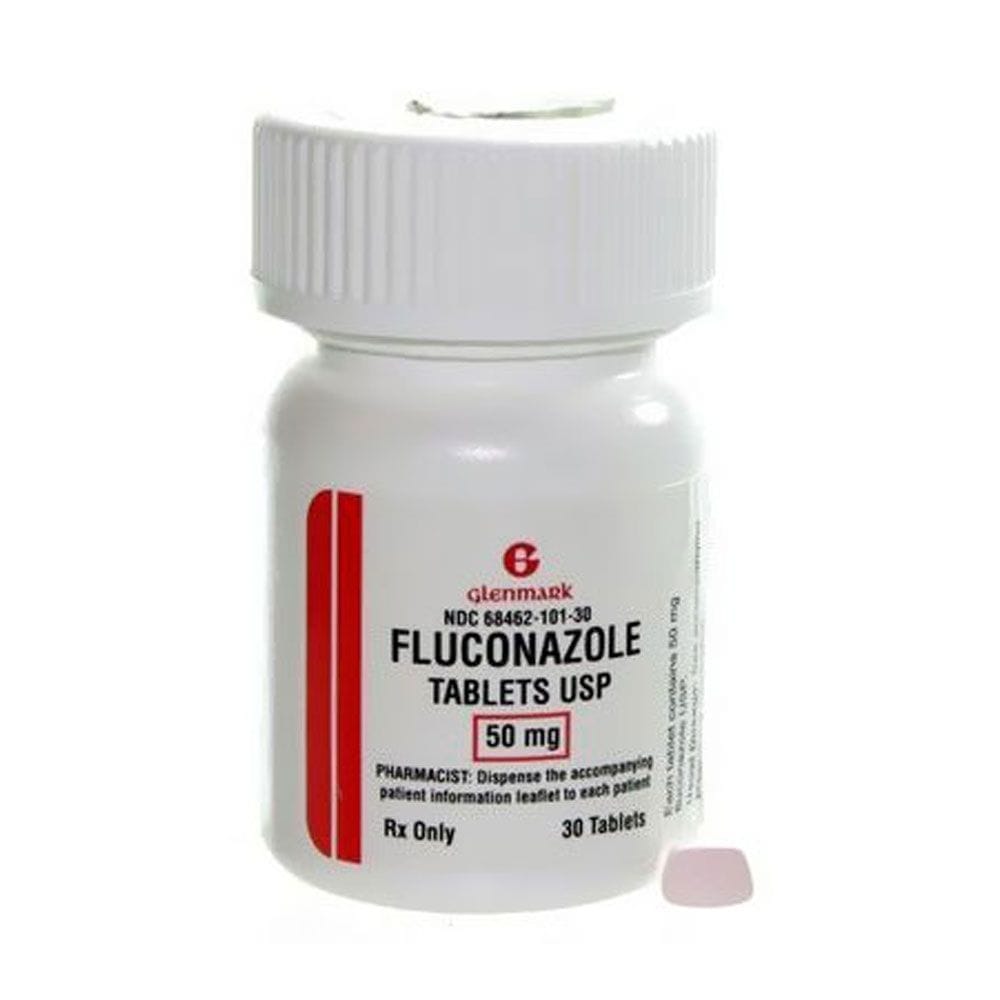
This collection brings together prescription options that clinicians may use for fungal meningitis. Listings may include antifungals such as amphotericin B, flucytosine, and fluconazole. You may also see related supplies or monitoring items, when available.
Many care plans follow phases like induction therapy, consolidation, and maintenance therapy. This page helps explain how those labels may appear in prescriptions. It also covers terms tied to testing, like cryptococcal antigen (CrAg).
Visits on Medispress are video-based and handled by licensed U.S. clinicians.
Some people search for cerebrospinal fluid opening pressure after a lumbar puncture. We describe what that measurement means and why it matters. Expect plain-language explanations alongside clinical terms used in charts.
- Common antifungal names and drug classes used for cryptococcosis
- Key diagnosis language, including CSF cryptococcal antigen wording
- Notes on intracranial pressure management and follow-up monitoring
- Context for HIV-associated infection, ART timing, and IRIS discussions
- Administrative guidance on prescriptions, verification, and dispensing rules
How to Choose
Choosing resources starts with the clinical setting and current severity. Hospital-based care often looks different from later outpatient follow-up visits. This is especially true with HIV-associated illness or other immune compromise.
Use these points to compare listings and educational notes quickly.
- Whether the plan references induction therapy or maintenance therapy
- Whether flucytosine appears, since availability can vary
- Whether amphotericin B is shown as a formulation or class reference
- Whether fluconazole maintenance therapy is mentioned for longer-term suppression
- Whether the notes mention relapse of infection or prior treatment history
- Whether the record notes kidney, liver, or blood count monitoring needs
- Whether intracranial pressure management appears in follow-up instructions
- Whether ART timing or IRIS is discussed in HIV care plans
Questions to Bring to a Clinician
Bring a short timeline of symptoms and any recent immune-suppressing treatments. Ask how the team confirms diagnosis, often using CSF studies. Clarify what follow-up testing might be needed to watch response.
Discuss expected monitoring and common side effects before starting therapy. For Cryptococcal Meningitis, clinicians often tailor plans to immune status and history. Confirm how to handle missed doses and medication interactions safely.
Understanding Diagnosis Terms
Chart notes may mention a differential diagnosis for fungal meningitis brain infection. That means clinicians consider several causes before results return fully. Common terms include cryptococcal antigen testing and CSF cryptococcal antigen.
Another frequent phrase is cerebrospinal fluid opening pressure, tied to headaches. Teams may track it to guide intracranial pressure management decisions.
Safety and Use Notes
Antifungal therapy for cryptococcosis can require close lab monitoring over time. Some medicines can affect kidneys, liver enzymes, or blood counts. Drug interactions matter, including with seizure medicines and immunosuppressants too.
Clinicians also watch for raised intracranial pressure, which can drive symptoms. Notes may reference lumbar puncture management to relieve pressure safely.
Why it matters: High pressure inside the skull can worsen confusion and vision.
The Medispress app is HIPAA-compliant and built for private medical video visits.
Cryptococcal Meningitis may relapse when therapy stops too early sometimes. People with HIV may also face IRIS (immune reconstitution inflammatory syndrome) after ART changes. Teams plan ART timing carefully to reduce complications during recovery.
Topics that often come up during medication review include these.
- Current kidney and liver function, including recent lab results
- Pregnancy or breastfeeding status, when relevant to medication choice
- Other medicines that share liver metabolism or affect QT interval
- Need for monitoring electrolytes during amphotericin B use
- Warning signs documented in discharge instructions or follow-up plans
- Steps for reporting side effects and arranging urgent reassessment
Access and Prescription Requirements
Many items in this category require a valid prescription and verification. Some antifungals are used in hospitals, while others are outpatient medicines. Availability can depend on formulation, compounding needs, and state rules.
To support Cryptococcal Meningitis care, clinicians may request recent records or lab summaries. This helps confirm appropriateness and avoid unsafe duplications later on file.
When appropriate, clinicians can send prescriptions to partner pharmacies, following state regulations.
Some services support cash-pay access, often without insurance, for eligible prescriptions. Licensed pharmacies dispense medicines and follow required identity checks where needed. Keep contact details current, so pharmacies can confirm delivery questions.
- Name and date of birth matching the prescription
- Current medication list and allergy history
- Preferred pharmacy details, when a choice exists
- Recent lab dates, if a clinician requests them
- A plan for follow-up visits or lab review scheduling
Related Resources
Use this section for deeper reading on causes and prognosis. We summarize common topics like global burden, relapse risk, and follow-up needs.
For background on Cryptococcal Meningitis diagnosis and management, guideline sources can help. Read this neutral overview from the CDC on cryptococcosis first: CDC Cryptococcosis Information. For specialty guidance, see the IDSA cryptococcosis clinical guideline summary: IDSA Cryptococcosis Guideline. For HIV care context, the NIH opportunistic infection guidance is useful: NIH OI Cryptococcosis Guidance.
Emergency evaluation is needed for sudden severe headache, fever, stiff neck, or confusion. Do not delay care while waiting for appointments or refills.
This content is for informational purposes only and is not a substitute for professional medical advice.

Find suitable medication for Cryptococcal Meningitis
Book a telehealth visit to discuss Cryptococcal Meningitis
Find a doctor
Speciality
State

Video Visit
$69

Video Visit
$69

Video Visit
$69

Video Visit
$69

Video Visit
$69
Meet Dr. Priya Asija: Board-Certified Family Physician and Wound Care Specialist Committed to Comprehensive CarePriya Asija is a board-certified Family Medicine physician and Wound Care Specialist with more than 15 years of experience. Her work includes primary care, urgent care-style visits, telemedicine, and advanced wound management. She holds a Wound Care Certification (WCC) through NAWCO, is credentialed in hyperbarics, and maintains BLS and ACLS certifications. She is licensed to practice in Texas, Florida, Pennsylvania, Wisconsin, Alabama, Arizona and Illinois.Dedicated to delivering high-quality, patient-centered care, Dr. Asija treats a wide range of acute and chronic medical conditions, provides preventive services, and specializes in wound care and hyperbaric medicine. She is the owner of Brookfield Family Practice, division of SAAK Health Care, partner at SAAK Wound Care Clinic and Hyperbarics, and serves as Medical Director for Wisconsin Wound Pros. Her services include primary care visits, urgent care management, wound evaluations, hyperbaric therapy oversight, telemedicine consultations, and prescription refill appointments when medically appropriate to support continuity of care.Fluent in English, Dr. Asija combines strong clinical expertise with compassionate communication. She collaborates closely with patients and interdisciplinary teams to promote healing, preventive health, and long-term wellness, ensuring accessible and comprehensive care across the states in which she practices.
Read Bio
Speciality: Family Medicine
Speaks: English
Video Visit
$69

Video Visit
$69

Video Visit
$69

Video Visit
$69

Video Visit
$69

Video Visit
$69
Frequently Asked Questions
What is included on this category page?
This browse page gathers common medication names and care terms in one place. It highlights antifungal options that may appear in treatment plans. It also explains key words seen in notes, labs, and discharge papers. Some entries focus on supportive concepts, like pressure monitoring and follow-up. Availability varies by prescription rules and pharmacy stock. This page does not replace clinician guidance or emergency evaluation.
How can I compare antifungal options listed here?
Compare options by where they fit in a care plan. Notes may refer to induction, consolidation, or maintenance phases. Also compare formulation details, since some products differ by route. Review monitoring needs, since labs may be required during therapy. Check for interaction cautions with other medicines in the list. Use this information to prepare questions for a clinician, not to change therapy.
What information may be needed for a prescription review?
A clinician may need a current medication list and allergy history. They may also review recent lab summaries, if monitoring is required. Some cases need hospital records, imaging summaries, or lumbar puncture results. Accurate name and date of birth details help prevent dispensing delays. A preferred pharmacy choice can help coordination where options exist. Requirements vary by medication, state rules, and clinical context.
When is meningitis an emergency?
Meningitis can become life-threatening and needs urgent assessment. Emergency care is appropriate with sudden severe headache, fever, stiff neck, or confusion. New seizures, fainting, or trouble staying awake also raise concern. Vision changes or severe vomiting can signal increased intracranial pressure. These symptoms can have many causes, not only fungal infection. Rapid evaluation helps clinicians rule out dangerous conditions and start appropriate care.
What does a lumbar puncture measure in this condition?
A lumbar puncture collects cerebrospinal fluid (CSF) for testing. Reports may list CSF opening pressure, which reflects pressure inside the skull. They may also include cryptococcal antigen (CrAg) results and other CSF studies. Clinicians use these findings to support diagnosis and track response. Notes may mention intracranial pressure management based on symptoms and measurements. Interpretation depends on the full clinical picture and other test results.
How is this infection related to HIV or immune suppression?
This illness often acts as an opportunistic fungal infection in immune suppression. HIV-associated disease can occur with low CD4 counts or untreated infection. Clinicians may discuss ART timing (when to start antiretroviral therapy) during treatment. They may also watch for IRIS, an inflammatory reaction during immune recovery. Some people need longer maintenance therapy to prevent relapse. Risk and follow-up needs vary with immune status and response to treatment.