


Chronic Obstructive Pulmonary Disease (COPD)
Care Options for Chronic Obstructive Pulmonary Disease (COPD)
This category page covers Chronic Obstructive Pulmonary Disease (COPD) for patients and caregivers. It brings together practical education and condition-aligned browsing. The goal is clarity on common terms, care pathways, and medication categories. It also highlights helpful checklists for clinical visits and refills.
Medispress offers video visits with licensed U.S. clinicians through a secure app.
Use this page to compare options without guessing. It is also a place to learn key definitions. That includes emphysema and chronic bronchitis, which are COPD subtypes.
Chronic Obstructive Pulmonary Disease (COPD) What You’ll Find
This collection focuses on the most searched questions and choices. It summarizes symptom patterns, common triggers, and care goals over time. It also explains how clinicians talk about airflow limitation and flare-ups.
Many people start by learning the basics of breathlessness and cough. Others are comparing inhaler categories and device types. Some are tracking changes after illness or seasonal allergies. For lung-protection ideas, review Healthy Lung Month 2025 for simple reminders.
On the clinical side, diagnosis often includes spirometry (a breathing test). It measures lung function and helps stage severity. Staging terms may vary across clinics and guideline versions.
- Plain-language definitions for common COPD terms
- Overview of COPD symptoms, causes, and risk factors
- High-level COPD treatment options and long-term management themes
- Medication class basics, including inhalers and add-on therapies
- Links to related chronic-condition collections and care topics
How to Choose
Choosing among resources is easier with a few anchors. Start with what needs to be compared today. Then note what needs a clinician’s input.
For Chronic Obstructive Pulmonary Disease (COPD), the most helpful comparisons are often practical. That includes device technique, refill routines, and trigger tracking. It also includes how to describe symptom changes clearly.
What to compare on this browse page
- Symptom pattern: daily baseline versus sudden worsening
- Possible triggers: infections, smoke, dust, or cold air exposure
- Current meds list: inhalers, pills, and any recent changes
- Inhaler device type: MDI (metered-dose inhaler) versus DPI (dry powder)
- Schedule fit: ongoing follow-ups versus one-time questions
- Care needs: education, monitoring, or chronic-disease planning
Quick tip: Keep medication names, strengths, and device types in one note.
Questions that help a clinician decide next steps
- How often symptoms interrupt sleep or daily activities
- Any recent urgent visits, steroid bursts, or antibiotic use
- Whether rescue inhaler use has changed from the usual baseline
- Any chest pain, fainting, or swelling that is new
- How well inhaler technique is working in real life
If asthma overlap is part of the conversation, see Telehealth For Asthma for terminology and visit planning.
Safety and Use Notes
Chronic Obstructive Pulmonary Disease (COPD) treatment often involves inhaled medicines. Each type has different side effects and precautions. Some can raise heart rate or cause tremor. Others can affect the mouth and throat.
Why it matters: Using multiple inhalers can increase confusion and side effects.
Clinicians may discuss bronchodilators (airway-opening medicines) and inhaled corticosteroids (airway inflammation reducers). They may also review vaccines, pulmonary rehabilitation, and oxygen therapy. These decisions depend on symptoms, history, and testing.
Watch for interaction and technique issues. For example, combining certain inhalers may not be appropriate. Technique problems can also make a medication seem ineffective.
- Rinse-and-spit steps may be advised for some steroid inhalers
- Some inhalers can worsen glaucoma or urinary retention risk
- Many devices are sensitive to moisture and storage conditions
- Report new palpitations, severe shakiness, or throat swelling promptly
For guideline context, see this neutral overview from the GOLD COPD program site.
For public health background, see this overview from the CDC COPD page.
When chest symptoms are part of the picture, review Chest Pain Tips And Remedies for symptom-language and safety reminders.
Medispress clinicians make independent clinical decisions during each telehealth visit.
Access and Prescription Requirements
Many COPD medicines are prescription-only in the U.S. That includes most maintenance inhalers and some nebulized solutions. Pharmacies also verify prescriptions and may request updated information.
If a prescription is appropriate, clinicians may coordinate options through partner pharmacies. This can vary by state rules and medication type. Some items may need extra checks, like controlled-substance screening. Many COPD medicines are not controlled, but policies still apply.
People sometimes use cash-pay options, often without insurance, for visits and prescriptions. Availability and total cost depend on the medication and pharmacy. Formularies and prior authorization rules may still apply.
To understand the steps, read How To Get Prescriptions Online. For planning and documents, see Virtual Doctor Visit Guide.
- Have a current medication list and preferred pharmacy details ready
- Note recent lung function test results, if already available
- Expect identity and eligibility checks when required by law
- Plan time to discuss goals, side effects, and refill timing
Related Resources
This browse page sits alongside other long-term care collections. For broader care planning, visit Chronic Disease Management. If managing multiple conditions, browsing related categories can help organize questions. Examples include Chronic Kidney Disease and Chronic Pain.
For visit communication, use Top Questions To Ask to build a short agenda. If technology is the main concern, review Telehealth Online Basics for setup and privacy notes. For a broader scope, see What Telehealth Can Treat.
If this page is being used for Chronic Obstructive Pulmonary Disease (COPD) support planning, focus on tracking patterns. Bring clear examples to any visit. That helps clinicians interpret changes and prioritize next steps.
This content is for informational purposes only and is not a substitute for professional medical advice.

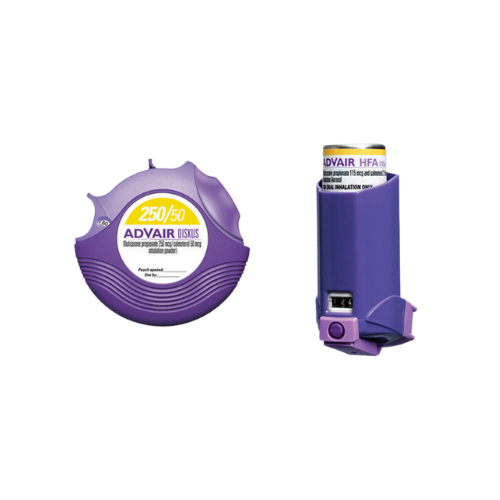
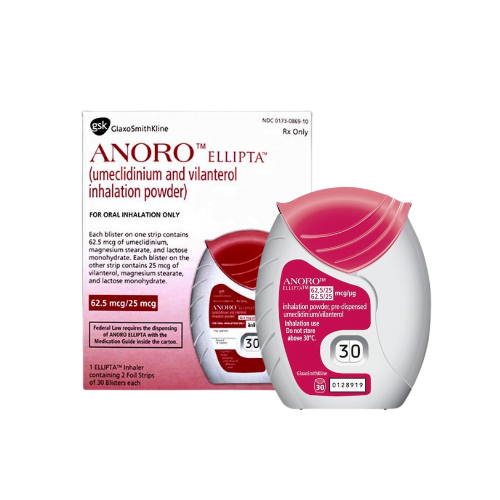
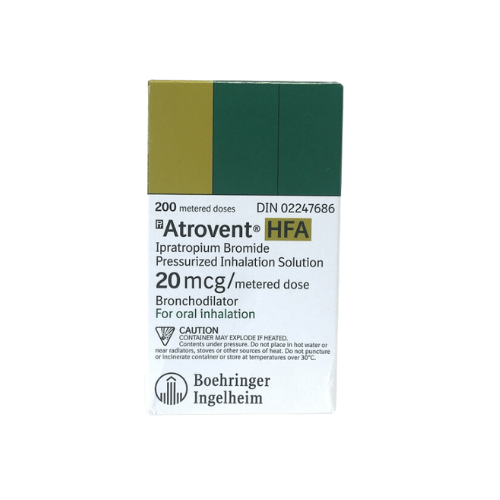
Find suitable medication for Chronic Obstructive Pulmonary Disease (COPD)
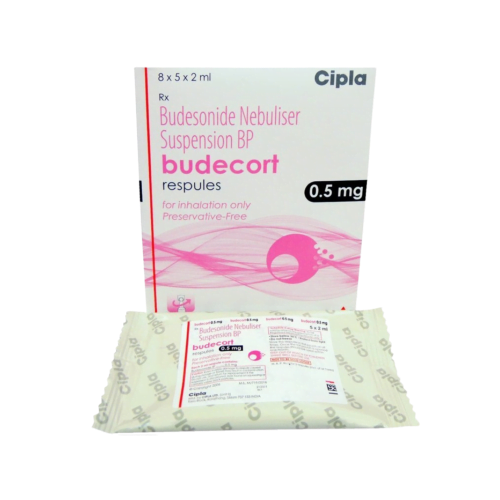
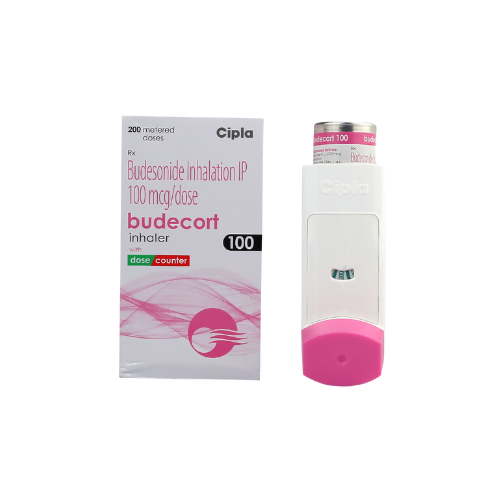
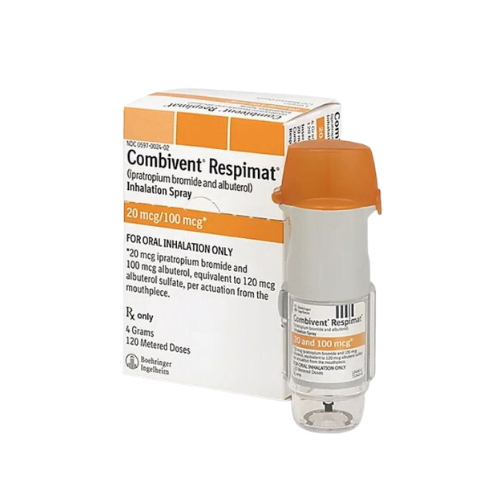
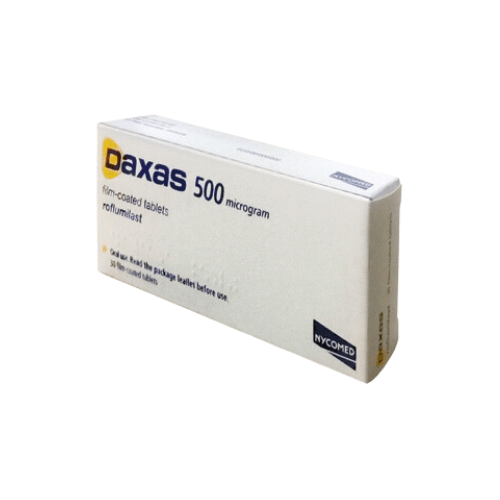
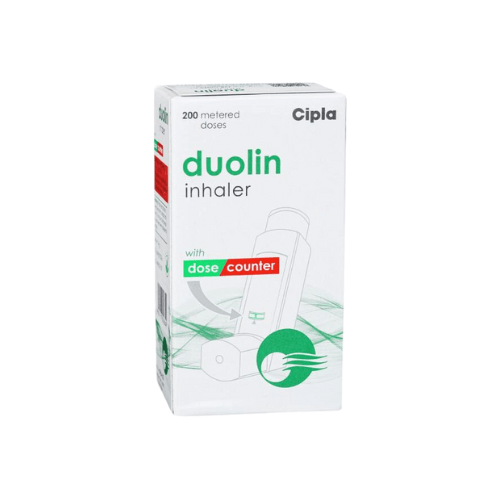


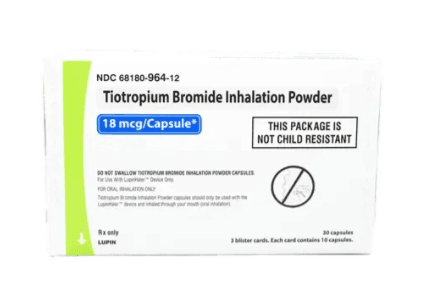


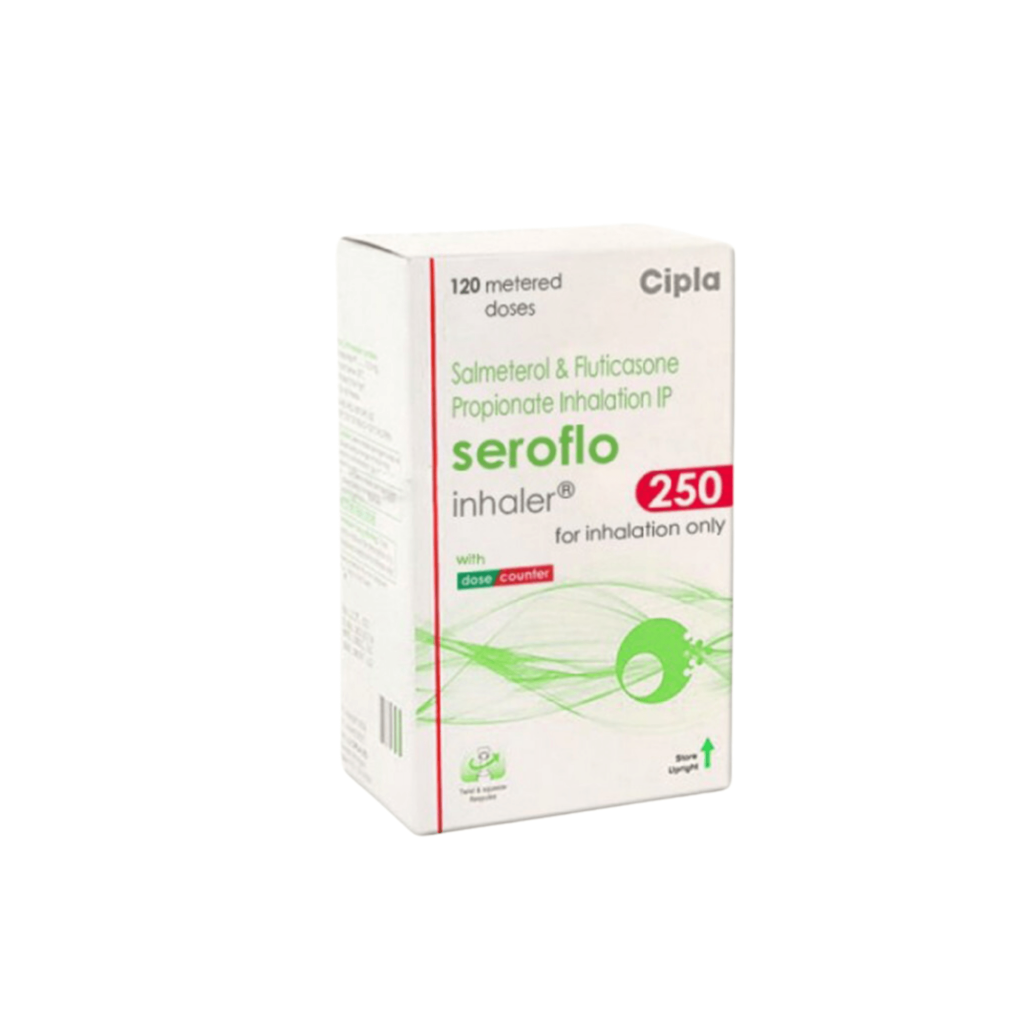


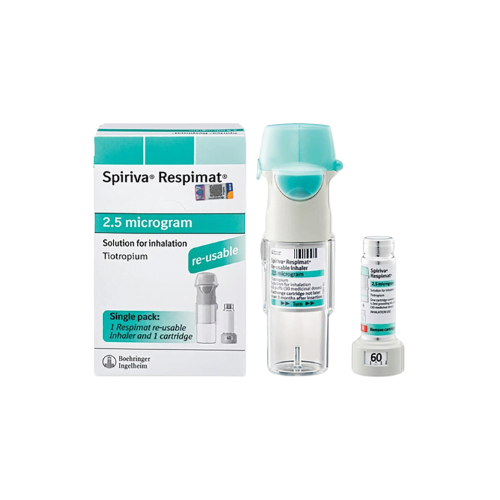

Book a telehealth visit to discuss Chronic Obstructive Pulmonary Disease (COPD)
Find a doctor
Speciality
State

Video Visit
$69

Video Visit
$69

Video Visit
$69

Video Visit
$69

Video Visit
$69

Video Visit
$69

Speciality: Dermatology, Family Medicine, Men's Health, Urgent Care, Women's health
Speaks: English, Spanish, French, Arabic, Portuguese
Video Visit
$69

Video Visit
$69

Video Visit
$69

Video Visit
$69

Video Visit
$69

Video Visit
$69
Frequently Asked Questions
What is included on this Chronic Obstructive Pulmonary Disease (COPD) category page?
This category page groups condition-aligned resources in one place. It typically includes plain-language education, browsing links, and common care topics. It may also reference medication classes used in COPD care, like bronchodilators and inhaled corticosteroids. You can use it to compare terms, understand common testing like spirometry, and find related care pages. It is not a diagnostic tool. A licensed clinician should confirm any diagnosis and treatment plan.
Do all COPD inhalers require a prescription?
Many maintenance inhalers used for COPD in the U.S. are prescription-only. Some rescue inhalers and combination inhalers also require a prescription. A pharmacy will verify the prescription before dispensing. The exact requirement depends on the product and state rules. If a medication is prescription-only, it cannot be legally dispensed without a valid prescription. A clinician can help decide whether an inhaler is appropriate and safe.
Can telehealth be used for COPD follow-ups or refill discussions?
Telehealth can be useful for some follow-up conversations. That includes reviewing symptoms, side effects, inhaler technique questions, and refill timing. It can also help organize next steps after an exacerbation or medication change. Some needs still require in-person evaluation or testing, such as spirometry or urgent breathing issues. Clinicians decide what is appropriate for telehealth based on symptoms, history, and safety considerations.
How should I prepare information for a COPD-related telehealth visit?
Preparation helps the visit stay focused and efficient. Bring a current medication list with names and strengths. Note device types, such as MDI or DPI, if known. Write down recent symptom changes, including nighttime awakenings and activity limits. Include recent urgent care visits, steroid bursts, or antibiotics, if applicable. If you have prior spirometry results or discharge summaries, keep them accessible. A short agenda can help cover key concerns.
When should breathing symptoms be treated as urgent?
Some symptoms need urgent evaluation rather than routine browsing. Seek emergency care for severe shortness of breath at rest, blue lips or face, confusion, fainting, or chest pain that feels severe or new. Rapid worsening after using a rescue inhaler also raises concern. New swelling, coughing up significant blood, or inability to speak in full sentences can be serious. If unsure, err on the side of urgent assessment by local emergency services.