


Canine Parvovirus
Care Options for Canine Parvovirus
Parvo can spread quickly in shelters, homes, and shared outdoor spaces. This Canine Parvovirus category page brings together practical information and browseable resources for caregivers. It focuses on common terms, what to track, and what questions matter. It also helps set expectations for evaluation and follow-up planning.
Some dogs need urgent in-person veterinary care and monitoring. Others may need recovery support after hospital discharge. Use this page to learn the language around symptoms, timelines, prevention, and cleaning. Then use it to organize records and compare related topics in one place.
Canine Parvovirus What You’ll Find
This browse page covers the core concepts behind parvo in dogs. It explains how parvo transmission can happen through stool and contaminated surfaces. It also clarifies the parvo incubation period and why early signs may seem nonspecific. Many caregivers search for canine parvovirus symptoms, but the pattern matters more than one sign.
Expect plain-language explanations of what “supportive care” can mean. That often includes fluids, anti-nausea help, and careful monitoring for dehydration. You will also see high-level notes on hospitalization for parvo versus outpatient follow-up. These topics can help set realistic expectations around how long parvo lasts and what a parvo recovery timeline may involve.
Environmental control is another big theme. The virus can persist, so parvo survival on surfaces and recontamination risks come up often. This page includes practical context on disinfecting parvo at home and parvo isolation guidelines. It keeps the focus on safe, label-following cleaning and organized routines.
- Symptom and timeline terms, including contagious and incubation periods
- Prevention basics, including parvo vaccine schedule discussion points
- Clean-up and isolation concepts for homes, rescues, and multi-dog settings
- Care-setting terms, like supportive care and hospitalization
- Common comparisons, including parvo vs distemper language
Medispress offers video visits with licensed U.S. clinicians when care is appropriate.
How to Choose
For Canine Parvovirus, the right resources depend on urgency and setting. Some caregivers need help sorting timelines and exposure risk. Others need organized recovery planning after a veterinary diagnosis. This section highlights what to compare as the page is explored.
Match resources to the situation
- Suspected exposure: note the parvo incubation period and recent contacts
- Active illness: track vomiting, diarrhea, appetite, and energy changes
- Household risk: list other dogs, ages, and vaccine histories
- Cleaning needs: plan high-contact zones and realistic isolation space
- Follow-up needs: keep discharge notes and recheck targets together
Use clear questions for clinical conversations
- Ask what signs suggest dehydration risk and need for monitoring
- Ask how parvo diagnosis is confirmed in that clinic’s workflow
- Ask how long the parvo contagious period may extend after recovery
- Ask what to watch for during the first week of improvement
- Ask what diet changes are reasonable during recovery, if any
Why it matters: Clear notes can prevent missed details during stressful visits.
Safety and Use Notes
Safety notes for Canine Parvovirus start with timing and severity. Parvo in puppies can worsen quickly due to fluid loss. Parvo dehydration management is often central to stabilization. Many dogs need hands-on care that only a clinic can provide.
Diagnosis language can be confusing during a fast-moving visit. A fecal ELISA (stool antigen test) is commonly discussed for rapid screening. Clinicians may also mention leukopenia (low white blood cells) on bloodwork. Results still need clinical context, especially early in illness.
- Repeated vomiting or profuse diarrhea, especially with weakness
- Inability to keep water down or signs of marked dehydration
- Collapse, severe lethargy, or very pale gums
- Very young age, unvaccinated status, or multiple sick dogs nearby
- Concern for parvo vs distemper or another serious infection
Visits take place in our secure, HIPAA-compliant app when telehealth fits the situation.
Cleaning and isolation also have safety angles. Disinfectants must be used as labeled and stored safely. Mixing cleaners can create harmful fumes in enclosed spaces. When guidance varies, local veterinary instructions should take priority. For background context on canine parvovirus, see this reference from Merck Veterinary Manual.
Access and Prescription Requirements
Access rules around Canine Parvovirus depend on what is being requested. Some supportive medications and supplies require a prescription. Others are over-the-counter and still benefit from clinician guidance. This page helps separate administrative steps from clinical decisions.
When a prescription is needed, verification and state dispensing rules apply. Some people also look for cash-pay options, often without insurance, for supportive needs. Availability can differ by state and by the medication involved. Records from a veterinary visit can help clarify what follow-up is appropriate.
- Prescription-only items require an appropriate clinical evaluation
- Identity and prescription verification may be required before dispensing
- Some requests are not suitable for remote care and need in-person evaluation
- Partner pharmacies may have state-specific limits on fulfillment
- Keep vaccination dates and prior records ready for faster review
If clinically appropriate, clinicians can coordinate prescriptions with partner pharmacies, following state rules.
Related Resources
Similar symptoms and overlapping prevention topics can add confusion. For comparison reading, browse Canine Distemper and Canine Parainfluenza. For liver-focused viral illness context, see Infectious Canine Hepatitis and Canine Adenovirus Infectious Hepatitis. If a broader collection is helpful, browse Parvovirus for related terms and adjacent topics.
Quick tip: Keep a simple cleaning log to reduce parvo recontamination risks.
Vaccination questions come up in many prevention discussions. For established guidance, see the AAHA canine vaccination guidelines. These references can help frame a practical conversation about timing and risk.
This content is for informational purposes only and is not a substitute for professional medical advice.

Find suitable medication for Canine Parvovirus
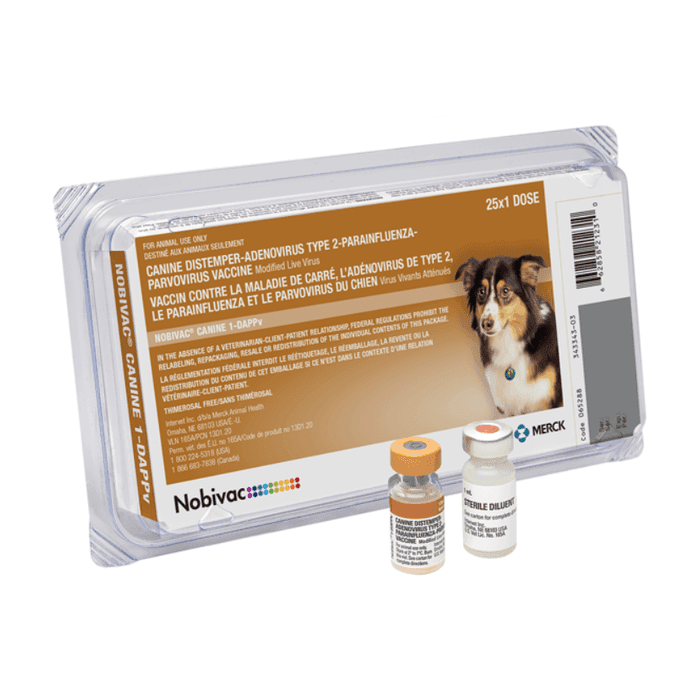
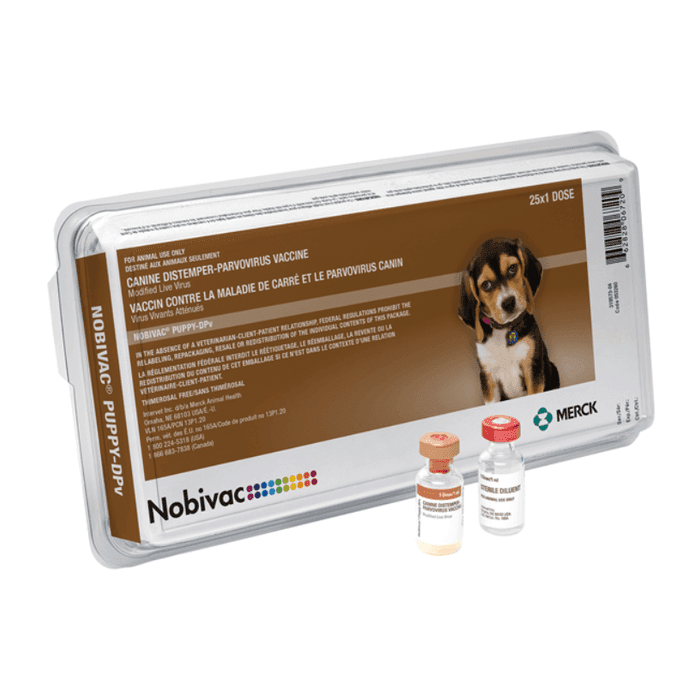
Book a telehealth visit to discuss Canine Parvovirus
Find a doctor
Speciality
State

Video Visit
$69

Video Visit
$69

Video Visit
$69

Video Visit
$69

Video Visit
$69

Video Visit
$69

Speciality: Dermatology, Family Medicine, Men's Health, Urgent Care, Women's health
Speaks: English, Spanish, French, Arabic, Portuguese
Video Visit
$69

Video Visit
$69

Video Visit
$69

Video Visit
$69

Video Visit
$69

Video Visit
$69
Frequently Asked Questions
What is included on the Canine Parvovirus category page?
This category page focuses on practical, caregiver-friendly information and browsing. It highlights common terms like parvo transmission, incubation period, and contagious period. It also covers cleaning and isolation language that often comes up. Where appropriate, it explains what supportive care can mean in general. The goal is to help organize questions and records before a visit. It does not replace veterinary evaluation for a sick dog.
How can I use this page to compare prevention and cleaning information?
Use the page to compare concepts, not to find one “perfect” rule. Look for notes about surface survival, isolation spacing, and routine planning. Pay attention to reminders about following disinfectant label directions. Also compare how sources describe recontamination risks in multi-dog settings. If vaccine planning is part of prevention, note how schedules are discussed. Then bring those notes to a veterinarian for case-specific guidance.
When is parvo considered an emergency for dogs?
Parvo can become an emergency because dehydration and weakness can progress fast. Urgent evaluation is often needed with repeated vomiting, profuse diarrhea, collapse, or severe lethargy. Very young puppies and unvaccinated dogs may be at higher risk. Some dogs require hospitalization for fluids and close monitoring. A clinician can help explain what signs matter most. When symptoms are severe, in-person veterinary care is typically the safest route.
Can Medispress help with prescriptions related to supportive care?
Medispress can support video visits with licensed U.S. clinicians in a secure app. Clinicians make the clinical decisions about what is appropriate. If a prescription is clinically appropriate, they may coordinate options through partner pharmacies. Dispensing rules and availability can vary by state and by medication type. Some needs may still require in-person veterinary services. Keeping prior records and current medication lists can support a smoother review.
Do I need insurance to use Medispress?
Insurance is not required for many cash-pay telehealth and pharmacy workflows. Some people use these services without insurance for simpler administrative access. Coverage and reimbursement rules can vary by plan and situation. Medispress can help route prescription information when appropriate, subject to pharmacy and state requirements. For questions about coverage, it helps to check directly with the insurance plan. Clinical decisions remain with the treating clinician.