


Canine Parainfluenza
Care Options for Canine Parainfluenza
Dogs can pick up respiratory germs quickly in group settings. This collection focuses on Canine Parainfluenza and common “kennel cough” questions. It supports browsing for prevention basics, symptom context, and care-planning details. It also helps caregivers understand how this illness fits within broader respiratory infection in dogs patterns.
Many cases stay mild, but cough can spread fast. Crowded spaces like boarding and daycare raise risk. Notes here use plain language, with key clinical terms defined. Any diagnosis and treatment decisions belong with a veterinarian.
Visits on Medispress are video-based with licensed U.S. clinicians.
Quick tip: Keep vaccine records handy for boarding and daycare paperwork.
Canine Parainfluenza What You’ll Find
This browse page gathers practical, non-judgmental resources around dog parainfluenza. It also covers how kennel cough parainfluenza relates to other causes of a dog cough. Many facilities group these illnesses under canine infectious respiratory disease complex (CIRDC) (a cluster of contagious dog respiratory infections).
Listings on this page can help compare prevention topics, common symptom patterns, and administrative requirements. Some people come here after a new cough starts. Others come to prepare for boarding, grooming, training, or daycare enrollment.
For related navigation, the Parainfluenza Collection groups nearby topics that may overlap.
- Plain-language overview of dog parainfluenza and how it spreads
- Symptom context, including what people often call “kennel cough”
- Prevention topics, including vaccine conversations and exposure risk
- Administrative notes on prescriptions, records, and pharmacy workflows
How to Choose
Some people need quick basics. Others need details for school, boarding, or travel forms. Use the sections and links to match the reason for browsing. Keep notes organized, since cough causes can look similar.
When reading Canine Parainfluenza material, it helps to separate three ideas. One is likely exposure and contagiousness. Another is symptom severity and duration patterns. The third is prevention planning, including vaccine documentation expectations.
Match the resource to the situation
- Setting: home-only dog versus frequent daycare or boarding exposure
- Timing: recent exposure window versus ongoing cough concerns
- Household: puppies, seniors, or immune-compromised pets in the home
- Paperwork: dog boarding vaccination requirements and due dates
- Goal: prevention planning versus understanding dog cough causes
Look for clear comparisons
- How bordetella vs parainfluenza may present, and why both matter
- How canine parainfluenza vs canine influenza differs at a high level
- How a respiratory infection in dogs can involve more than one germ
- Which terms mean “virus” versus “bacteria” in plain language
For broader vaccine-related context, compare with other condition collections like Canine Distemper, since record-keeping expectations often overlap.
Safety and Use Notes
Most cough illnesses in dogs improve with time and supportive care plans. Still, some situations need faster veterinary evaluation. The risk tends to rise in very young puppies, older dogs, and pets with other health issues. Breathing problems can also signal conditions beyond kennel cough parainfluenza.
Canine Parainfluenza spreads through close contact and shared air. Crowded indoor spaces can increase exposure, especially with poor ventilation. Many veterinarians suggest limiting close contact with other dogs during active coughing. That step helps reduce onward spread, even before a specific cause is confirmed.
Why it matters: Early containment can lower disruption for homes and facilities.
Watch-outs often discussed in veterinary guidance include labored breathing, marked lethargy, or poor appetite. Dehydration risk may rise if a dog avoids drinking. When symptoms look severe or unusual, a veterinarian can sort out dog cough causes and rule out more serious disease.
Some families also track other infectious risks in the same life stage. The Canine Parvovirus collection covers a different illness, but it highlights why prevention and timely evaluation matter.
Our app uses HIPAA-aligned security to protect visit information.
Access and Prescription Requirements
This category may include items that require a prescription and items that do not. Prescription products require a valid prescription from a licensed prescriber. Dispensing follows licensed pharmacy rules, and prescription verification may be required. These steps help keep medication use appropriate and documented.
Some people browse Canine Parainfluenza information while weighing next steps. Others focus on vaccine scheduling questions, including a canine parainfluenza booster timing discussion. A veterinarian can confirm what is clinically appropriate and what a facility requires. Recommendations can differ based on age, risk factors, and local exposure patterns.
Access can also vary by state and pharmacy networks. Some services support cash-pay options, often without insurance, depending on the item. Medispress clinicians decide what care is appropriate during the visit. When appropriate, providers can route prescriptions to partner pharmacies, per state rules.
Related record and prevention topics may also appear in collections like Infectious Canine Hepatitis, where vaccination documentation can also matter for facilities.
Related Resources
Use these links to compare nearby topics and keep planning organized. These collections can support questions about canine parainfluenza symptoms, prevention, and how facilities interpret vaccine requirements. They can also help clarify terms like “adenovirus,” “parvo,” and other infections discussed during routine veterinary visits.
For deeper context around Canine Parainfluenza risk factors and prevention planning, browse related condition collections such as Canine Adenovirus Hepatitis. For neutral background reading, see the AVMA kennel cough overview. For CIRDC framing, see this Merck Veterinary Manual summary.
- Compare facility forms against current vaccine records before peak travel seasons
- Track exposure settings like daycare, boarding, grooming, and training classes
- Keep a short symptom timeline to support a veterinary conversation
This content is for informational purposes only and is not a substitute for professional medical advice.

Find suitable medication for Canine Parainfluenza
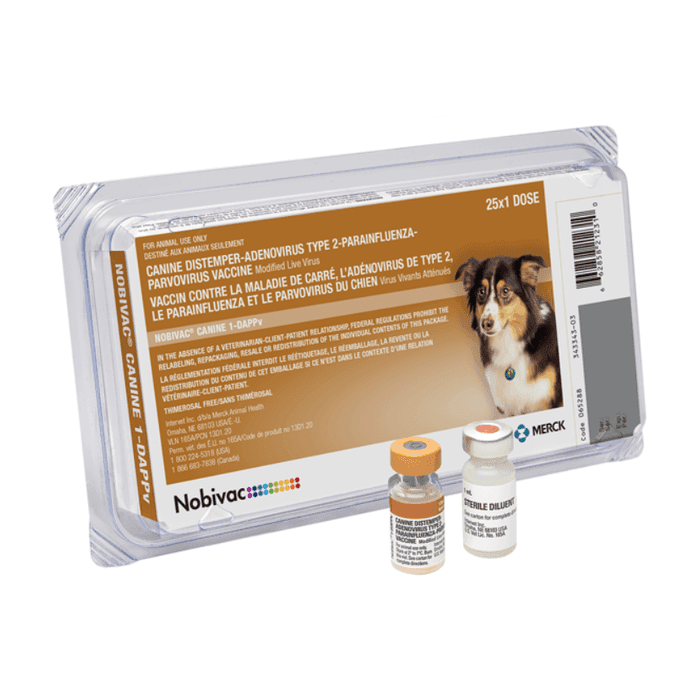
Book a telehealth visit to discuss Canine Parainfluenza
Find a doctor
Speciality
State

Video Visit
$69

Video Visit
$69

Video Visit
$69

Video Visit
$69

Video Visit
$69
Meet Dr. Priya Asija: Board-Certified Family Physician and Wound Care Specialist Committed to Comprehensive CarePriya Asija is a board-certified Family Medicine physician and Wound Care Specialist with more than 15 years of experience. Her work includes primary care, urgent care-style visits, telemedicine, and advanced wound management. She holds a Wound Care Certification (WCC) through NAWCO, is credentialed in hyperbarics, and maintains BLS and ACLS certifications. She is licensed to practice in Texas, Florida, Pennsylvania, Wisconsin, Alabama, Arizona and Illinois.Dedicated to delivering high-quality, patient-centered care, Dr. Asija treats a wide range of acute and chronic medical conditions, provides preventive services, and specializes in wound care and hyperbaric medicine. She is the owner of Brookfield Family Practice, division of SAAK Health Care, partner at SAAK Wound Care Clinic and Hyperbarics, and serves as Medical Director for Wisconsin Wound Pros. Her services include primary care visits, urgent care management, wound evaluations, hyperbaric therapy oversight, telemedicine consultations, and prescription refill appointments when medically appropriate to support continuity of care.Fluent in English, Dr. Asija combines strong clinical expertise with compassionate communication. She collaborates closely with patients and interdisciplinary teams to promote healing, preventive health, and long-term wellness, ensuring accessible and comprehensive care across the states in which she practices.
Read Bio
Speciality: Family Medicine
Speaks: English
Video Visit
$69

Video Visit
$69

Video Visit
$69

Video Visit
$69

Video Visit
$69

Video Visit
$69
Frequently Asked Questions
What is included on this Canine Parainfluenza category page?
This category page brings together practical resources related to dog parainfluenza and kennel cough topics. It focuses on symptom context, prevention basics, and common paperwork needs for boarding or daycare. It may also include prescription-required items and non-prescription support products, depending on availability. The goal is to help caregivers compare information in one place, then use a veterinarian for diagnosis and treatment decisions when needed.
Is canine parainfluenza virus the same as canine influenza?
They are different viruses that can both cause coughing and respiratory signs. People often mix them up because both can spread in group settings. In everyday terms, both may look like “kennel cough,” especially early on. A veterinarian can evaluate the dog and decide whether a specific diagnosis matters for the situation. Prevention discussions can also differ, since vaccine options and facility requirements may not be identical.
How does canine parainfluenza transmission usually happen?
Transmission often happens through close contact between dogs. Shared air in enclosed spaces can also play a role, especially with crowding. Items that collect saliva or nasal secretions may contribute in some environments. Many cases show signs within several days after exposure, but timing varies. Because cough illnesses can look similar, veterinarians often focus on exposure history and symptom patterns while guiding next steps.
Do boarding or daycare facilities require a canine parainfluenza vaccine?
Requirements vary by facility, region, and the services offered. Many places ask for proof of “kennel cough” coverage, which may include Bordetella and may also include parainfluenza as part of a combination vaccine. Some facilities list a due date window, while others accept a veterinarian’s note. Keeping vaccine records organized helps reduce last-minute surprises. A veterinarian can advise on what is appropriate for the dog’s risk level.
When is urgent veterinary evaluation appropriate for a coughing dog?
Urgent veterinary evaluation is often appropriate when breathing looks difficult or noisy. It is also important when a dog seems very weak, collapses, cannot keep water down, or has persistent vomiting. Pale or bluish gums, severe lethargy, or sudden worsening also deserve prompt attention. Cough can have many causes, including heart or airway conditions. A veterinarian can assess severity and guide safe next steps.