


Canine Distemper
Care Options and Resources for Canine Distemper
This category page gathers clear information about Canine Distemper for pet caregivers. It focuses on practical basics, common terms, and what to watch for. It also helps compare related viral illnesses that can look similar early on. Use this page to understand how the canine distemper virus spreads, why vaccination matters, and which details to share with a veterinarian. Content here stays high level and avoids step-by-step treatment advice.
Distemper in dogs can affect the respiratory and nervous systems. Signs may change over time and vary by age. Puppies and unvaccinated dogs tend to face higher risk. Wildlife reservoirs can also play a role in outbreaks.
Canine Distemper: What You'll Find
This browse page brings together condition-level guidance, plain-language definitions, and related pages. It can help caregivers understand what is canine distemper and how it typically presents. It also covers terms people often search, like canine distemper stages and canine distemper transmission.
For a veterinary reference, see Merck Veterinary Manual.
Medispress supports video visits in a secure, HIPAA-compliant mobile app.
- Common symptom patterns, including respiratory, GI, and neurological signs
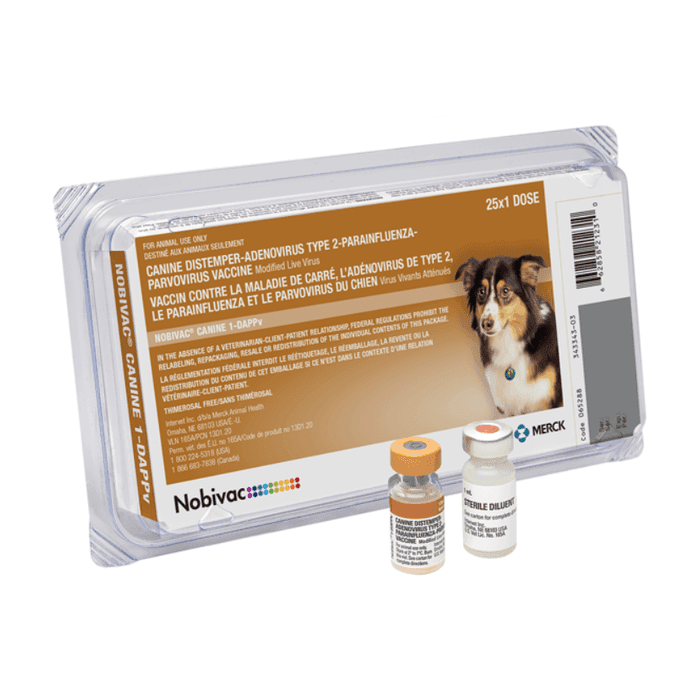
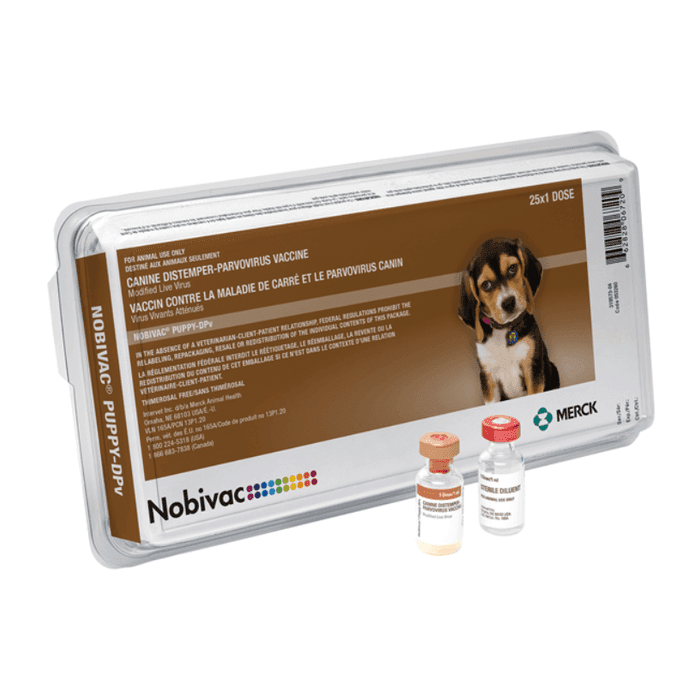
- Prevention topics, including canine distemper vaccine information
- Administrative notes on records, isolation planning, and follow-up
- Links to related condition browse pages for comparison
How to Choose
Different resources emphasize different parts of the illness. For Canine Distemper, it helps to compare by symptom cluster and timeline language. That makes it easier to discuss what was noticed and when.
Match the resource to the situation
- Age and setting: signs of distemper in puppies may differ from adult dogs
- Symptoms described: coughing, vomiting, diarrhea, or nasal discharge details
- Eye findings: note if canine distemper eye discharge appears persistent
- Neurologic terms: tremors, seizures, or coordination changes wording
- Exposure history: shelters, boarding, dog parks, or wildlife contact
- Prevention context: vaccination status and any gaps in records
Use comparison pages when symptoms overlap
- Look for overlap notes like canine distemper vs parvovirus
- Check if a page frames “respiratory-first” versus “GI-first” illness
- Prefer sources that clearly separate “possible” from “confirmed” language
Quick tip: Keep vaccine dates and clinic names in one note.
Safety and Use Notes
Suspected distemper deserves prompt veterinary attention, especially with dehydration or neurologic changes. Canine Distemper can progress in stages, so early symptoms may not predict later ones. A veterinarian can confirm what is most likely based on the full picture.
Supportive care (comfort-focused care) often depends on symptoms and hydration. Isolation precautions may also matter because is canine distemper contagious is a common concern. Household cleaning and exposure planning should follow veterinary guidance.
- Avoid sharing bowls, toys, or bedding between sick and healthy dogs
- Track changes twice daily, using consistent wording and times
- Ask about return-to-group settings, like daycare or shelters
- Discuss long-term monitoring if neurologic signs ever occurred
Why it matters: Clear records can help reduce delays in care decisions.
Access and Prescription Requirements
Some medications discussed in canine illness resources require a prescription. Canine Distemper care may involve prescription-only options, depending on complications. A licensed prescriber must authorize any Rx medication, and a dispensing pharmacy verifies prescriptions where required.
Many pet prescriptions are handled as cash-pay, often without insurance. Keep a current medication list, including flea and tick preventives. Also keep the dog's weight history and any prior adverse reactions documented.
Clinical decisions are made by licensed clinicians during telehealth visits when offered.
- Have vaccination records ready, even if incomplete
- List recent exposures, including shelter stays and wildlife contact
- Note any antibiotics, antiemetics, or pain medicines already tried
- Ask about isolation duration and follow-up milestones
Related Resources
If symptom overlap is causing uncertainty, comparing nearby conditions can help. Canine Distemper topics often sit alongside other viral illnesses in caregiver search patterns. These related browse pages can provide helpful context on similar presentations and prevention language.
Start with the general Distemper page for broad terminology. For GI-heavy symptoms, compare with Canine Parvovirus. For cough and upper-airway concerns, browse Canine Parainfluenza. For hepatitis-related terms, see Infectious Canine Hepatitis and Canine Adenovirus Hepatitis.
When clinically appropriate, providers may coordinate prescription fulfillment through partner pharmacies, subject to state rules.
For vaccine guidance, see AVMA vaccinations.
This content is for informational purposes only and is not a substitute for professional medical advice.

Find suitable medication for Canine Distemper
Book a telehealth visit to discuss Canine Distemper
Find a doctor
Speciality
State

Video Visit
$69

Video Visit
$69

Video Visit
$69

Video Visit
$69

Video Visit
$69

Video Visit
$69

Speciality: Dermatology, Family Medicine, Men's Health, Urgent Care, Women's health
Speaks: English, Spanish, French, Arabic, Portuguese
Video Visit
$69

Video Visit
$69

Video Visit
$69

Video Visit
$69

Video Visit
$69

Video Visit
$69
Frequently Asked Questions
What is canine distemper?
Canine distemper is a contagious viral illness in dogs. People may also see it called “distemper in dogs” or “canine distemper virus” online. It can affect the airways, stomach and intestines, skin, and sometimes the brain and nerves. Symptoms can look like other infections early on. A veterinarian is the right place to confirm the cause and discuss care planning, isolation, and prevention steps.
Is canine distemper contagious?
Yes. Canine distemper is considered contagious among dogs and some wildlife species. Spread can happen through close contact and respiratory secretions. Risk often increases in group settings, including shelters, boarding, and unvaccinated households. The safest next step is veterinary guidance on isolation and cleaning practices. They can also advise on protecting other pets and on when group contact may be appropriate again.
Can humans get canine distemper?
No. Canine distemper is not considered a human infection. People may still carry virus particles on hands, clothing, or surfaces after contact with a sick animal. That matters for protecting other dogs, not for human illness. Basic hygiene and following veterinary isolation guidance can reduce spread in multi-dog homes, shelters, or foster settings. Ask a veterinarian about risks for other pets in the home.
How is canine distemper different from parvovirus?
These illnesses can overlap in early signs, like low energy and reduced appetite. Parvovirus often centers on severe GI symptoms, like vomiting and diarrhea, especially in puppies. Distemper can start with respiratory signs and may later involve neurologic changes in some cases. Only a veterinarian can sort out the likely cause from the full history and exam findings. Bring a timeline of symptoms and vaccination records to support that discussion.
What information should I gather before a veterinary visit for suspected distemper?
Bring vaccination records, even if dates are incomplete. Write down the first day symptoms were noticed and how they changed. Note exposure risks like shelters, boarding, new dogs, or wildlife contact. List all medications and supplements given, with approximate timing. Include any existing conditions and prior reactions to medicines. This helps the clinic document the case, plan isolation needs, and decide what follow-up information matters most.