


Canine Adenovirus (Infectious Hepatitis)
Care Options for Canine Adenovirus (Infectious Hepatitis)
This category page covers Canine Adenovirus (Infectious Hepatitis) for dog caregivers and rescues. It focuses on practical basics that shape safe next steps. That includes how canine adenovirus spreads, what symptoms can look like, and what prevention usually involves.
Some people also see “CAV-1” and “CAV-2” and feel stuck. CAV-1 links to infectious canine hepatitis (a liver infection). CAV-2 more often links to respiratory disease, including kennel cough. This page helps sort those terms and browse related resources.
Canine Adenovirus (Infectious Hepatitis) What You’ll Find
This collection brings together condition information and navigation to related pages. It supports browsing, not self-diagnosis. Many households use it to understand common language used in clinic notes.
Most summaries here focus on how CAV-1 differs from CAV-2. They also explain why “respiratory vs hepatic CAV” matters. You will see simple definitions for incubation period (time from exposure to signs) and viral shedding (release of virus).
- Plain-language overview of canine adenovirus types and names
- Commonly discussed canine hepatitis symptoms and course
- Canine adenovirus transmission in homes, shelters, and boarding
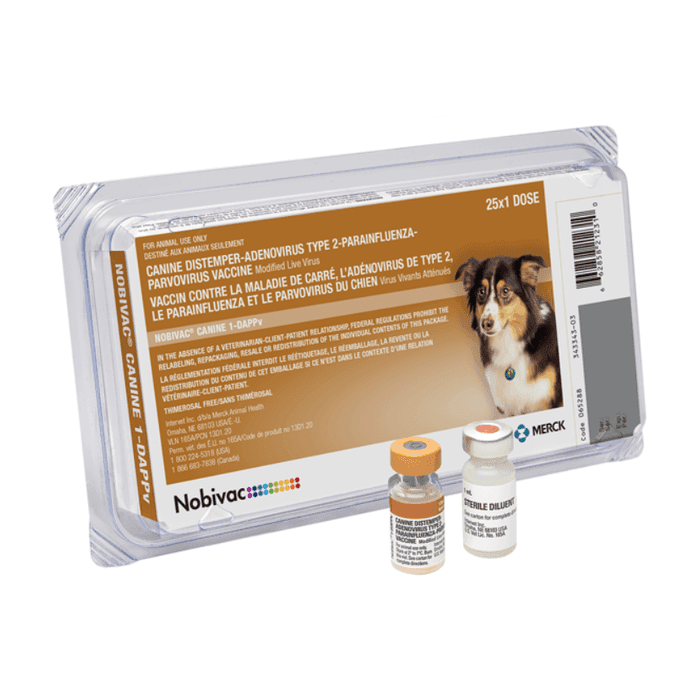
- High-level notes on canine adenovirus vaccine protection
- Isolation and cleaning concepts for multi-dog settings
- Questions that can help structure a veterinary conversation
Medispress offers video visits through a secure, HIPAA-compliant app.
How to Choose
Sorting information feels harder when terms overlap. Canine Adenovirus (Infectious Hepatitis) can describe a specific virus type or a syndrome name. Use this section to pick the most relevant pages and questions.
Match resources to the situation
- Age and vaccine history, including any puppy series dates
- Exposure risks, like shelters, boarding, grooming, or dog parks
- Whether signs look respiratory, hepatic, or mixed
- Timeline details, including possible CAV incubation period
- Any contact with unvaccinated dogs or unknown vaccination status
- Household layout, including shared bowls, crates, and yards
Build a comparison list
- Look for pages that separate CAV-1 from CAV-2 clearly
- Check that prevention sections mention vaccines without overselling certainty
- Prefer guidance that explains “contagious” in plain terms
- Keep a short list of symptom patterns to describe during a visit
- Review similar severe viral illnesses for context, like Canine Parvovirus
Quick tip: Keep vaccine records and exposure dates in one note.
Safety and Use Notes
Canine Adenovirus (Infectious Hepatitis) can range from mild to severe illness. A veterinary professional can help interpret signs and risk factors. They can also explain when urgent evaluation makes sense.
People often ask, “Is canine adenovirus contagious?” Spread can occur through close contact and contaminated surfaces. Viral shedding can continue after symptoms change. For background detail, see the Merck Veterinary Manual overview of canine infectious hepatitis.
- Limit shared items in multi-dog homes, like toys and water bowls
- Use disinfectants that list activity against non-enveloped viruses, when applicable
- Handle waste carefully and clean hands after contact
- Reduce contact with puppies until risks are clearer
- Ask how long isolation for infected dogs usually lasts in similar cases
Vaccination planning often follows established veterinary guidance. A neutral reference is the AAHA Canine Vaccination Guidelines.
Licensed U.S. clinicians make the medical decisions for each visit.
Access and Prescription Requirements
Some supportive medications discussed for Canine Adenovirus (Infectious Hepatitis) require a prescription. Medispress can support access when a licensed clinician determines it is appropriate. Availability and routing can vary by state regulations.
This category page stays administrative on purpose. It explains how prescription verification works and what information often helps. It also acknowledges cash-pay options, often without insurance, when coverage does not apply.
- Some items require a valid prescription from a licensed prescriber
- Pharmacies may verify prescriber details before dispensing
- Refills follow the prescription directions and legal requirements
- Delivery options depend on pharmacy partners and location rules
- Records may support continuity if care changes between clinics
Why it matters: Clear documentation can reduce delays in prescription verification.
When appropriate, clinicians can coordinate prescriptions through partner pharmacies under state rules.
Related Resources
If terms still feel mixed, compare nearby condition pages and naming conventions. Canine Adenovirus (Infectious Hepatitis) overlaps with how many clinics label “infectious hepatitis.” These related pages can help narrow what people mean in records and conversations.
This content is for informational purposes only and is not a substitute for professional medical advice.

Find suitable medication for Canine Adenovirus (Infectious Hepatitis)
Book a telehealth visit to discuss Canine Adenovirus (Infectious Hepatitis)
Find a doctor
Speciality
State

Video Visit
$69

Video Visit
$69

Video Visit
$69

Video Visit
$69

Video Visit
$69

Video Visit
$69

Speciality: Dermatology, Family Medicine, Men's Health, Urgent Care, Women's health
Speaks: English, Spanish, French, Arabic, Portuguese
Video Visit
$69

Video Visit
$69

Video Visit
$69

Video Visit
$69

Video Visit
$69

Video Visit
$69
Frequently Asked Questions
Is canine adenovirus contagious to other dogs?
Canine adenovirus can spread between dogs through close contact. Exposure may happen through bodily fluids and contaminated objects. CAV-1 links to infectious canine hepatitis, while CAV-2 more often spreads via respiratory secretions. Dogs can shed virus even when signs change, so risk can persist. People are not typical hosts for canine adenovirus. A veterinary professional can explain household precautions based on age and vaccine status.
What is the difference between CAV-1 and CAV-2?
CAV-1 (canine adenovirus type 1) is associated with infectious canine hepatitis, which affects the liver. CAV-2 (canine adenovirus type 2) is more associated with respiratory disease and can contribute to kennel cough syndromes. The names sound similar, but the main clinical focus differs. Many routine canine vaccines provide protection against adenovirus-related disease. A veterinary professional can clarify which term applies to a given situation.
What details help most when reviewing possible canine hepatitis symptoms?
Basic details help a clinician or veterinary team interpret risk and urgency. Useful information includes age, vaccination history, and recent exposures like shelters or boarding. Note when signs started and how they changed. Also track appetite, energy, vomiting, diarrhea, and changes in urine or stool appearance. List any medications or supplements already used. Clear notes support safer conversations and reduce confusion about timing.
How should I interpret a canine hepatitis vaccination schedule?
Schedules can vary by age, prior vaccines, and local risk factors. Many clinics use a combination vaccine series often labeled DHPP or DAPP, which typically includes adenovirus protection. A “schedule” usually refers to timing of initial doses and boosters. It does not confirm immunity for any individual dog. A veterinary professional can match records to recommended intervals and explain what “up to date” means for travel, boarding, or shelters.
When is urgent evaluation reasonable for suspected infectious canine hepatitis?
Some signs warrant prompt veterinary evaluation, regardless of the cause. These can include collapse, severe weakness, repeated vomiting, signs of dehydration, pale gums, trouble breathing, or bleeding that seems unusual. Sudden abdominal swelling or marked pain also raises concern. Infectious causes can overlap with toxin exposure and other emergencies. A veterinary team can triage symptoms and decide what monitoring or treatment is appropriate.