


Benign Prostatic Hyperplasia
Care Options for Benign Prostatic Hyperplasia
Benign Prostatic Hyperplasia (BPH) describes noncancerous growth of the prostate gland. It can narrow the urethra and slow urine flow. Many people notice urinary frequency in men, a weak urine stream, or nighttime trips. This category page organizes practical information and access basics in one place.
Browse common terms tied to prostate health, symptom patterns, and care pathways. Compare medication classes, procedure names, and follow-up topics that often matter. The goal is clarity for patients and caregivers, without guessing what is right.
Benign Prostatic Hyperplasia: What You’ll Find
This collection groups the key topics that come up with an enlarged prostate. It highlights BPH symptoms like urgency, hesitancy, and incomplete emptying. It also explains common phrases, such as nocturia causes and “post-void dribbling.”
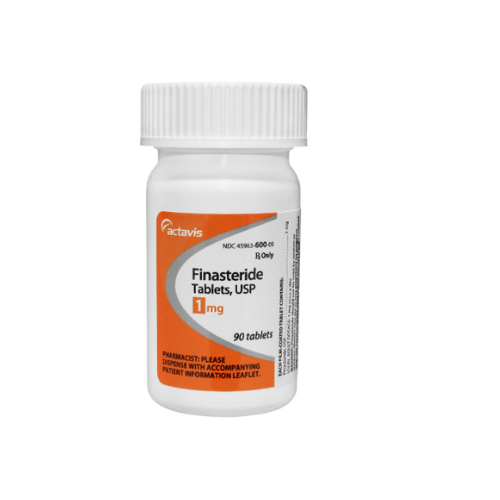
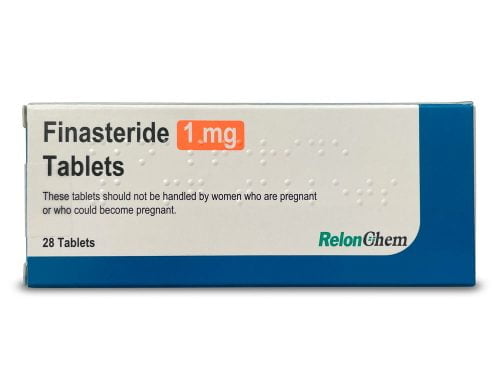
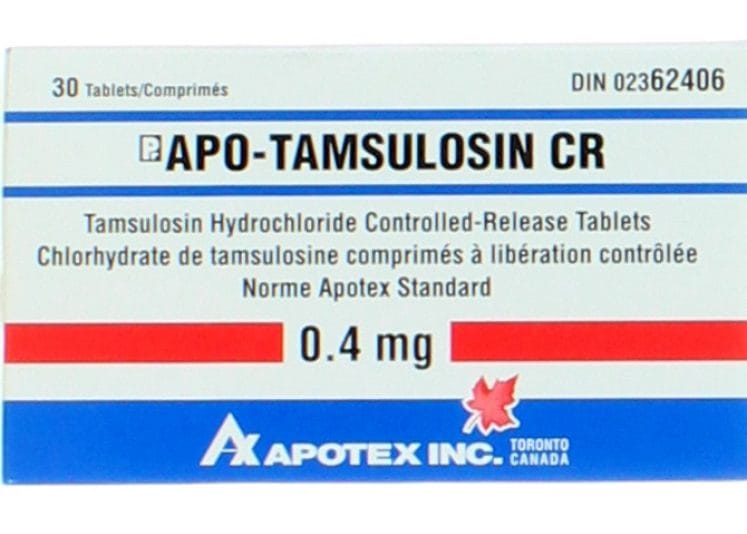
Many people also want a plain-language overview of prostate enlargement treatments. This page helps interpret names that appear in care discussions. Examples include alpha blockers for BPH and 5 alpha reductase inhibitors. It also covers minimally invasive BPH procedures, plus larger surgeries like TURP surgery.
Procedure names can sound similar, but they differ in approach. Terms may include the UroLift system, Rezum therapy, HoLEP procedure, and greenlight laser prostate. Some people also read about prostatic artery embolization in urology visits. A good starting point is learning what each term generally means.
- Symptom language, including weak stream and nighttime urination terms
- Medication class overviews, side effects to watch for, and refill basics
- Procedure and surgery terms, explained at a high level
- Discussion prompts for visits, including BPH vs prostate cancer questions
- Access notes, including prescription rules and verification steps
Why it matters: Clear terms reduce stress during a busy visit.
Visits are by video with licensed U.S. clinicians.
How to Choose
Not every resource is equally helpful for every situation. Start by matching the content to the main problem being tracked. Then focus on what can be clarified before a visit. This keeps browsing focused and reduces conflicting information.
Start with symptom patterns
- Track timing of urinary frequency, especially during work and sleep
- Note weak urine stream, stopping and starting, or straining to begin
- Record nighttime urination counts to clarify nocturia patterns
- Watch for bladder urgency versus discomfort or burning with urination
- List fluid triggers, including caffeine, alcohol, and late-evening drinks
Plan questions for a visit
- Ask what symptoms suggest obstruction versus bladder overactivity
- Ask how PSA and BPH can affect lab interpretation
- Ask what “BPH diagnosis” typically includes, in simple terms
- Ask when to see a urologist versus staying with primary care
- Ask what follow-up looks like after starting or changing therapy
Quick tip: Keep a one-week symptom log in the app notes.
Safety and Use Notes
For Benign Prostatic Hyperplasia, treatment discussions often include both pills and procedures. Each option can affect daily routines, side effects, and monitoring needs. Some medicines may interact with blood pressure drugs or erectile dysfunction medicines.
Alpha blockers may cause dizziness, fatigue, or lightheadedness in some people. This risk can matter for driving, falls, and work safety. 5 alpha reductase inhibitors can change prostate size over time for some patients. They can also affect how PSA results are interpreted during follow-up.
Procedures also have tradeoffs that depend on anatomy and goals. Minimally invasive approaches may involve short-term catheter use for some patients. More involved surgeries can carry anesthesia and bleeding risks. A clinician can explain what is likely in a specific case.
- Share a current medication list, including supplements and decongestants
- Share allergy history and past reactions to anesthesia or antibiotics
- Discuss sexual side effects concerns and fertility goals, when relevant
- Clarify red-flag symptoms, like fever, severe pain, or inability to urinate
- Bring prior PSA results if available, plus past imaging summaries
For symptom basics and common evaluation steps, see the NIDDK BPH overview.
The Medispress app supports secure, HIPAA-aligned video visits.
Access and Prescription Requirements
Prescription products for urinary symptoms usually require an active prescription. Pharmacies also verify prescriptions before dispensing, as required by law. Requirements can vary by state and by medication type.
This category also supports practical access planning for Benign Prostatic Hyperplasia care. Some people use cash-pay options, often without insurance, for simplicity. Coverage questions can still come up, but rules vary widely across plans. A visit can help confirm whether prescription therapy fits the situation.
- Create an account, then schedule a video appointment if needed
- Have a photo ID available when verification is required
- Bring an updated medication list and key medical history points
- Confirm preferred pharmacy information, if a prescription is appropriate
- Review state-specific limitations that can affect fulfillment options
When clinically appropriate, clinicians can coordinate prescriptions through partner pharmacies, following state regulations.
Cash-pay access may be available without insurance, depending on the listing.
Related Resources
Some symptoms overlap with other conditions, medications, or lifestyle changes. Reading broadly can help with better tracking and clearer questions. For Benign Prostatic Hyperplasia discussions, it can also help to understand when symptoms may signal something else.
Medispress also publishes general health guides that support better visit preparation. Browse Chronic Constipation Care for bowel-habit tracking ideas that can affect pelvic comfort. Review Dizziness Relief Methods when lightheadedness complicates medication discussions. Read Chest Pain Tips for general safety context around urgent symptoms. Explore Causes Of Blurred Vision when side effects raise new questions. If headaches affect sleep quality, see Treat Migraine At Home for tracking ideas.
For clinician-focused definitions and treatment categories, review the AUA BPH guideline page.
This content is for informational purposes only and is not a substitute for professional medical advice.

Find suitable medication for Benign Prostatic Hyperplasia






Book a telehealth visit to discuss Benign Prostatic Hyperplasia
Find a doctor
Speciality
State

Video Visit
$69

Video Visit
$69

Video Visit
$69

Video Visit
$69

Video Visit
$69

Video Visit
$69

Speciality: Dermatology, Family Medicine, Men's Health, Urgent Care, Women's health
Speaks: English, Spanish, French, Arabic, Portuguese
Video Visit
$69

Video Visit
$69

Video Visit
$69

Video Visit
$69

Video Visit
$69

Video Visit
$69
Frequently Asked Questions
What symptoms are commonly linked with an enlarged prostate?
Common BPH symptoms include urinary frequency, urgency, and a weak urine stream. Some people notice hesitancy, dribbling, or incomplete emptying after urination. Nighttime urination is also common and often tied to sleep disruption. These symptoms can overlap with infections, bladder conditions, or medication effects. A licensed clinician can help sort likely causes and next steps. Keeping a brief symptom log can make the visit more efficient.
How is BPH different from prostate cancer?
BPH is a noncancerous enlargement of the prostate. Prostate cancer involves abnormal cell growth and may have no symptoms early. Urinary symptoms can occur with either condition, so symptoms alone cannot confirm the cause. PSA (prostate-specific antigen) levels can be higher with BPH, infections, or cancer. Clinicians use history, exams, and sometimes labs or imaging to clarify risk. Decisions about screening and follow-up depend on age and risk factors.
What information helps prepare for a telehealth visit about urinary symptoms?
Before scheduling in the app, gather a current medication and supplement list. Include allergy history and major medical conditions, including prior prostate care. Write down symptom timing, nighttime urination counts, and any weak-stream patterns. Note recent fevers, pain, or trouble starting urination, since those change urgency. Add any prior PSA results or urology notes, if available. This prep helps the clinician focus on safe options and appropriate follow-up.
Do BPH medications require a prescription?
Many medicines used for urinary symptoms require a prescription. Examples include alpha blockers and 5 alpha reductase inhibitors. A clinician must confirm whether a prescription is appropriate and safe. Pharmacies also verify prescriptions before dispensing, as required by law. Availability can depend on state rules and the specific medication. This category page can help compare medication classes and prepare questions for a visit, without guessing which option fits.
Can cash-pay be used without insurance on Medispress?
Some listings support cash-pay access, often without insurance. Options depend on the service or product and the state requirements involved. Prescription items still require a valid prescription from a licensed clinician. When appropriate, a clinician may send a prescription to a partner pharmacy for dispensing. Insurance coverage details vary by plan, so benefits cannot be assumed. Site checkout and visit pages usually show available payment routes for each listing.