Search
Search Medispress
Search things like Weight Loss, Diabetes, Emergency Care or New York
Consult a Doctor Online
Fast & Secure Appointments
Available Anytime, Anywhere
Expert Care Across Specialties
Easy Prescription Management & Refills
Anxiety

Care Options and Resources for Anxiety

Anxiety can affect sleep, focus, and daily routines for patients and caregivers. This category page gathers practical options for learning, planning, and comparing support.

Browse common symptom patterns, visit preparation guides, and links to related condition collections. Use the resources to organize questions, track concerns, and understand next steps.

Video visits connect patients with licensed U.S. clinicians in a secure, HIPAA-compliant app.

Anxiety What You’ll Find

This collection brings together condition-focused education and care navigation in one place. It is designed for comparing options, not for making treatment decisions.

Many people start by sorting concerns like sleep disruption, racing thoughts, or sudden fear episodes. Others focus on function changes, like work performance, school stress, or social avoidance.

Coverage often spans counseling approaches, lifestyle supports, and medication discussions. CBT (cognitive behavioral therapy) may be referenced as a skills-based talk therapy.

  • Plain-language definitions of common mental health terms
  • Guides that explain what a virtual visit can cover
  • Collections for related conditions and symptom patterns
  • Support topics like sleep habits, nutrition, and stress routines
  • Administrative notes on prescriptions and pharmacy coordination

Some topics overlap with depression, insomnia, headaches, or substance use concerns. When that happens, the page links out to deeper reading.

Virtual Appointment Checklist and Tech Troubles Visit Tips help set expectations before logging in.

For a telehealth overview focused on home-based care, see Find Relief From Home Today.

How to Choose

Start by naming the main problem that needs support right now. Examples include panic episodes, sleep loss, or persistent worry during the day.

Match the pattern to the right resource

  • Look for symptom descriptions that match timing and triggers
  • Note how often symptoms disrupt work, school, or relationships
  • Check whether fear episodes feel sudden, gradual, or situation-linked
  • Consider whether physical symptoms mimic other medical conditions
  • Track co-occurring issues like low mood, irritability, or insomnia

Quick tip: Keep a short timeline of symptoms and major stressors.

For a related collection that focuses on persistent, hard-to-control worry, browse Generalized Anxiety Disorder.

Choose care that fits daily life

  • Confirm whether talk therapy, skills coaching, or medication discussion is needed
  • Prefer options that support follow-up and continuity of care
  • Review visit format details, including privacy and documentation needs
  • Bring current medication and supplement lists to reduce interaction risks
  • Plan questions ahead using a structured outline

For guidance on selecting professional support, read How To Choose The Right Care.

Safety and Use Notes

Information here can support safer conversations with a clinician or pharmacist. It does not replace individualized evaluation or an in-person exam.

When discussing medications for Anxiety, include current drugs, supplements, and allergies. Mention alcohol use, pregnancy status, and any history of substance use disorder.

  • Ask about common side effects and what to do if they appear
  • Review interaction risks with alcohol, sedatives, or stimulants
  • Discuss driving and work safety if drowsiness is possible
  • Clarify how long a trial might be considered before reassessment
  • Confirm safe storage, especially around children and teens

Why it matters: Clear medication history can reduce avoidable safety problems.

Clinicians make the clinical decisions based on history and current symptoms. Product selection alone never determines a diagnosis or treatment plan.

For basics on symptoms and treatment, see NIMH Overview. For psychotherapy approaches like CBT, see APA Mental Health Topics.

For coping skills that address sudden fear episodes, see Stopping Panic Attacks Tips. These tools often include breathing exercises and grounding techniques.

Access and Prescription Requirements

Some options in this collection include prescription-only treatments. Others focus on self-care tools and education that do not require a prescription.

Where prescriptions are involved, pharmacies typically verify the prescription and dispense under licensing rules. Some services also support cash-pay access, often without insurance, when appropriate.

When appropriate, prescriptions may be coordinated through partner pharmacies, subject to state regulations.

  • Prescription decisions depend on a clinician’s evaluation and medical history
  • Identity and eligibility checks may be required for certain medications
  • Refills and follow-ups can require updated symptom review and monitoring
  • Some medications have additional safeguards, based on risk and regulation
  • Shipping and pickup options depend on pharmacy policies and location rules

For a condition-specific collection focused on fear in social situations, browse Social Anxiety.

When low mood overlaps with worry or sleep changes, see Early Signs Of Depression for symptom context.

Related Resources

For broader Anxiety education, the guides below cover common day-to-day concerns. Topics include sleep routines, nutrition, and telehealth visit planning.

Many people start with symptom recognition, then move into coping skills and support planning. The resources also explain what clinicians may ask during an evaluation.

For visit preparation, revisit the checklist and tech tips linked above. Small setup steps can improve privacy, audio quality, and note-taking.

This content is for informational purposes only and is not a substitute for professional medical advice.

Find suitable medication for Anxiety

Atravet

Anxiety, Behavioural Disorders

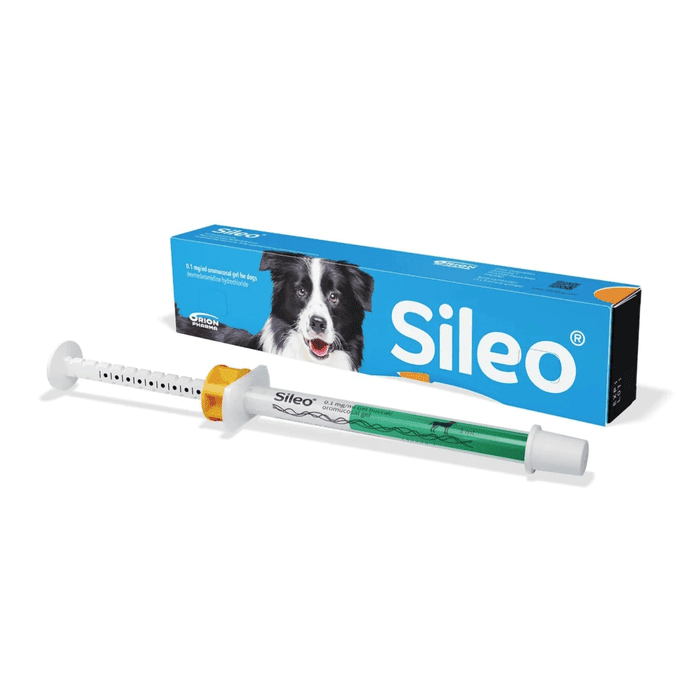
Sileo Gel

Anxiety, Noise Aversion

Book a telehealth visit to discuss Anxiety

Find a doctor

Speciality: Family Medicine
Speaks: English, Malayalam
Speciality: Internal Medicine
Speaks: English
Speciality: Pulmonology, Urgent Care
Speaks: English
Speciality: Dermatology, Urgent Care
Speaks: English
Speciality: Family Medicine
Speaks: English
Speciality: Family Medicine
Speaks: English, Spanish, Urdu, Punjabi
Speciality: Dermatology, Family Medicine, Men's Health, Urgent Care, Women's health
Speaks: English, Spanish, French, Arabic, Portuguese
Speciality: Family Medicine
Speaks: English
Speciality: Internal Medicine
Speaks: English, Urdu
Speciality: Family Medicine
Speaks: English
Speciality: Internal Medicine
Speaks: English
Speciality: Infectious Diseases, Internal Medicine
Speaks: English

Frequently Asked Questions