


Ankylosing Spondylitis
Care Options for Ankylosing Spondylitis
This category page supports practical navigation for Ankylosing Spondylitis care and support. It brings together common medication classes, care basics, and helpful definitions. It can also help caregivers track key terms before appointments. Many people hear related terms like axial spondyloarthritis or nonradiographic axial spondyloarthritis. This page explains how those labels connect, in plain language. It also covers common issues like inflammatory back pain, stiffness, and fatigue. When access is a concern, cash-pay options may help, often without insurance.
Ankylosing Spondylitis: What You’ll Find
This collection focuses on options people often compare after an AS discussion. That includes symptom patterns, diagnosis pathways, and treatment categories. It also highlights terms clinicians may use, like sacroiliitis (inflammation of the sacroiliac joints). Another common term is enthesitis (inflammation where tendons attach to bone). These definitions can make visit notes easier to follow.
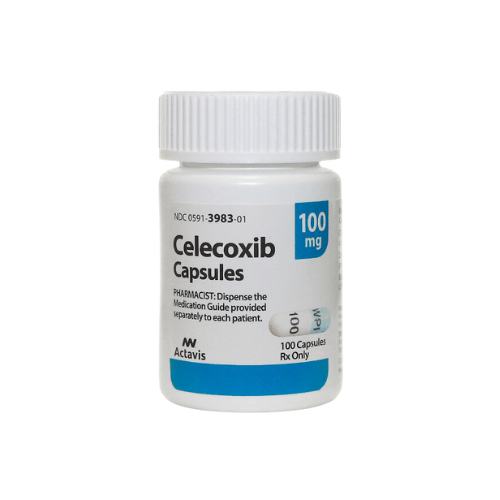
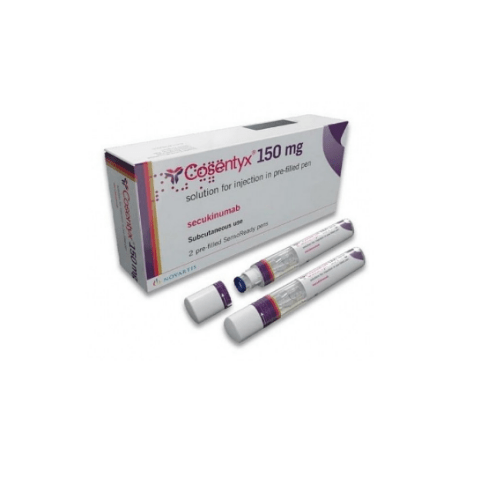
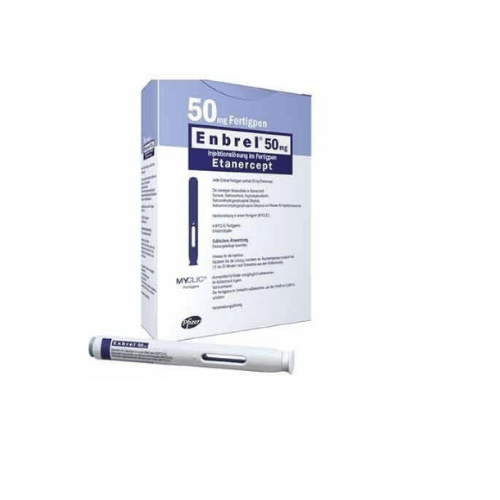
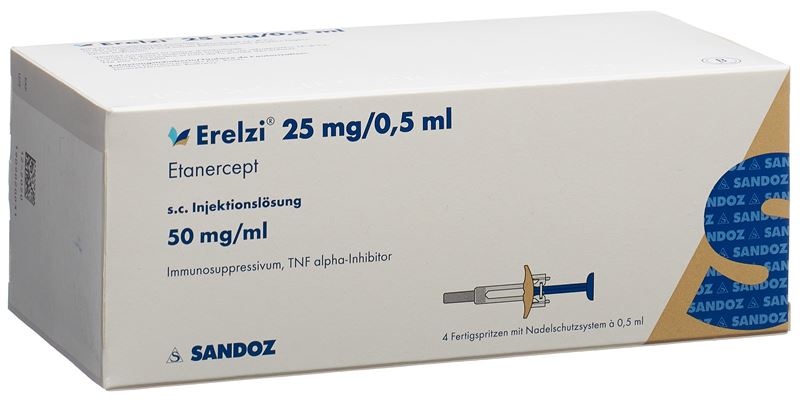
Listings and educational notes may cover broad medication categories used in axial disease. Examples include NSAIDs, corticosteroids for select situations, and disease-modifying approaches. For many patients, biologic medicines come up in conversation. These include TNF inhibitors for AS and IL-17 inhibitors for AS. The goal here is orientation, not medical direction.
- Plain-language definitions for common AS terms and imaging findings
- Overview of diagnosis concepts, including MRI (magnetic resonance imaging)
- Medication class primers, including how classes differ at a high level
- Non-medication supports, like posture habits and movement planning
- Administrative notes on prescription requirements and verification
Quick tip: Keep a single list of past medicines and side effects.
When telehealth visits are offered, they are conducted by U.S.-licensed clinicians via video.
How to Choose
Comparing care options often starts with clarity about day-to-day impact. Notes about morning stiffness, nighttime pain, and response to movement can help. Many clinicians also ask about symptoms outside the spine. Examples include heel pain, chest tightness, and bowel symptoms. Eye inflammation can also be part of the bigger picture.
People managing Ankylosing Spondylitis often benefit from organized questions and records. This supports a more focused conversation with a licensed clinician. It also helps separate “what hurts today” from longer patterns. That difference can matter when discussing flare management and next steps.
Match options to daily life
- Consider preferred format, like pills, injections, or infusions
- Note schedule complexity, including storage needs and travel plans
- Track activity triggers and recovery needs after busy days
- List work or caregiving tasks that worsen stiffness or pain
- Ask how physical therapy for ankylosing spondylitis typically fits care
Prepare for a clinician conversation
- Bring prior imaging summaries, if available, and key dates
- List other diagnoses, including psoriasis, uveitis, or IBD history
- Share current medicines, supplements, and known allergies
- Ask how clinicians distinguish AS vs rheumatoid arthritis in practice
- Discuss how ankylosing spondylitis in women can present differently
Why it matters: A clear symptom timeline helps keep visits efficient.
Safety and Use Notes
AS treatments can range from lifestyle supports to prescription therapies. Some options affect the immune system and infection risk. Others can affect the stomach, kidneys, or blood pressure. Safety questions depend on the medication class and health history. This section offers a high-level checklist for discussion.
Ankylosing Spondylitis medications may have important warnings and monitoring needs. For biologics, that can include infection screening and vaccination timing. For NSAIDs, it may include stomach protection discussions. None of these points replace a clinician’s guidance. They help set expectations and reduce surprises.
- Review infection history, including frequent or severe infections
- Ask what labs or follow-ups are typical for a given class
- Discuss pregnancy, breastfeeding, and family planning considerations
- Confirm storage and handling basics for injectable medicines
- Share eye symptoms promptly, especially pain, redness, or light sensitivity
Visits are delivered in a secure, HIPAA-compliant app to protect privacy.
For label details, see the FDA’s public drug information resources on medicines and safety information.
Access and Prescription Requirements
Many therapies used in axial spondyloarthritis require a prescription. Pharmacies also verify prescriptions before dispensing. Some medicines have specific handling, shipping, or storage steps. Those requirements vary by product and state rules. This page aims to explain those practical differences in plain terms.
Access can involve prior authorization, step therapy, or documentation requests. These steps are often administrative, not personal. Some patients use cash-pay pathways, including options without insurance. Availability and requirements depend on clinical appropriateness and local regulations. Records like prior treatment history can reduce delays.
- Prescription-only status and basic verification requirements
- Common paperwork terms, like prior authorization and clinical notes
- Pharmacy coordination basics for specialty medicines
- Refill timing concepts and what can pause a refill request
- When a video visit may be needed for prescription review
Clinical decisions are made by the licensed clinician during the visit.
When appropriate, clinicians may coordinate prescription options with partner pharmacies, based on state regulations.
Related Resources
Some people benefit from broader arthritis context while comparing options here. This can be helpful when symptoms overlap with psoriasis or peripheral joint pain. For a related condition overview, browse Psoriatic Arthritis Care Options. For daily routines that may support comfort, see Daily Habits for Arthritis Pain. These pages can support planning and question-building.
Understanding prognosis and complications can also reduce uncertainty. Clinicians may discuss posture and ankylosing spondylitis over time, depending on disease activity. They may also screen for complications like ankylosing spondylitis and uveitis during follow-up. For patient education, see the Spondylitis Association of America for ankylosing spondylitis information and support. The American College of Rheumatology also provides guidance on rheumatic diseases and care.
- axial spondyloarthritis and nonradiographic axial spondyloarthritis terms
- inflammatory back pain patterns and common documentation tips
- sacroiliitis and enthesitis terminology used in visit notes
- stretching for ankylosing spondylitis and movement planning discussions
- living with ankylosing spondylitis topics like fatigue and sleep routines
This content is for informational purposes only and is not a substitute for professional medical advice.

Find suitable medication for Ankylosing Spondylitis



Book a telehealth visit to discuss Ankylosing Spondylitis
Find a doctor
Speciality
State

Video Visit
$69

Video Visit
$69

Video Visit
$69

Video Visit
$69

Video Visit
$69

Video Visit
$69

Speciality: Dermatology, Family Medicine, Men's Health, Urgent Care, Women's health
Speaks: English, Spanish, French, Arabic, Portuguese
Video Visit
$69

Video Visit
$69

Video Visit
$69

Video Visit
$69

Video Visit
$69

Video Visit
$69
Frequently Asked Questions
What is included on this category page?
This browse page groups practical resources related to Ankylosing Spondylitis care. It may include medication class overviews, safety topics to discuss, and administrative notes. It also explains common terms seen in visit summaries, like sacroiliitis and enthesitis. The goal is to make browsing and planning easier for patients and caregivers. It is not a diagnostic tool or a treatment plan. A licensed clinician should guide any medical decisions.
Do biologic medicines require a prescription?
Yes. Biologic therapies used for axial spondyloarthritis are prescription-only medicines. A pharmacy must receive and verify a valid prescription before dispensing. Some products also have special handling and storage requirements. Documentation requirements can vary by state and by pharmacy. Clinicians decide whether a biologic is appropriate based on history and risk factors. This page focuses on navigation and education, not selecting a specific drug.
What information is helpful to have ready for a video visit?
Having key details organized can make a telehealth visit more efficient. Helpful items include a symptom timeline, prior imaging summaries, and a current medication list. Many clinicians also want to know about related conditions, like psoriasis, uveitis, or inflammatory bowel disease. A list of allergies and past side effects is also useful. If a caregiver attends, shared notes can help everyone stay aligned. Clinicians make all clinical decisions during the appointment.
How is inflammatory back pain different from common back strain?
Clinicians often describe inflammatory back pain as stiffness and pain that improves with movement. Mechanical pain from strain often feels worse with certain movements or lifting. Patterns like morning stiffness, nighttime pain, and symptom duration can matter. These are general descriptions and not a diagnosis. A clinician may also consider other symptoms and exam findings. If back pain is persistent or worsening, a medical evaluation helps clarify the cause.
What symptoms may signal urgent complications like uveitis?
Some people with axial disease can develop eye inflammation called uveitis. Concerning symptoms can include sudden eye pain, marked redness, light sensitivity, or blurred vision. These symptoms can have many causes, not only uveitis. Still, they deserve prompt medical evaluation because vision can be affected. This page can help caregivers recognize the term in records. It cannot determine the cause of any eye symptoms.