


Alopecia Areata
Care Options for Alopecia Areata
Hair loss can feel sudden, visible, and hard to explain. Alopecia Areata is a common cause of patchy hair loss. This browse page brings together practical resources and care information. It also helps compare common terms used in visits and prescriptions.
Some people notice round scalp patches, eyebrow thinning, or eyelash changes. Others see beard gaps, called alopecia barbae. Nail changes, like small pits, can also occur. Many cases relate to immune system activity, sometimes called autoimmune hair loss.
A clinician visit can help confirm the pattern and rule out look-alikes. Visits on Medispress are done by video in a secure, HIPAA-compliant app.
Alopecia Areata What You’ll Find
This category page focuses on education and navigation, not self-treatment. It explains what clinicians often look for during evaluation. It also summarizes how different options are commonly discussed in care plans.
Content here uses both medical and plain language terms. That makes it easier to follow a visit note or medication label. It also helps when comparing “before and after” photos and alopecia areata pictures online.
Hair loss patterns can vary in shape and location. Some people see a band-like edge pattern called ophiasis alopecia areata. More extensive forms include alopecia areata totalis and alopecia areata universalis. Some resources also cover pediatric alopecia areata and female alopecia areata considerations.
- Common alopecia areata symptoms and what they can look like
- Possible alopecia areata causes and triggers, explained carefully
- How alopecia areata diagnosis is usually confirmed
- A review of alopecia areata treatment options by medication class
- Terms tied to scalp, eyebrows, eyelashes, beard, and nails
- Questions to bring to a visit, plus administrative checklists
How to Choose
Start by matching resources to the main concern and location. Some pages focus on scalp patches. Others focus on eyebrow or eyelash involvement. Many also cover related issues, like itching, tenderness, or visible scaling.
For Alopecia Areata, it helps to track where loss started and how it spread. That timeline can help a clinician separate patterns that look similar. It also supports clearer documentation in the medical record.
Match resources to the hair-loss pattern
- Patch size and shape, including round or irregular edges
- Body area involved, like alopecia areata scalp or eyebrows
- Eyelash or beard changes, including alopecia barbae
- Side and border patterns, including ophiasis presentations
- Extent of loss, including totalis or universalis patterns
- Other clues, like nail pitting alopecia areata
Plan questions for a visit or follow-up
- What findings support the diagnosis versus another hair-loss cause
- Whether photos, dermoscopy, or labs may be useful
- What short-term monitoring looks like, including a regrowth timeline
- How comorbidities can matter, including thyroid or atopic disease history
- How treatment is documented for work, school, or referrals
Why it matters: Several conditions cause shedding, but they need different evaluation steps.
Safety and Use Notes
Most care discussions balance benefits, risks, and daily burden. That balance can change with age, pregnancy status, and other health issues. It can also change if the main concern is scalp coverage or eyebrow definition.
Common treatment categories include intralesional corticosteroids alopecia areata (steroid injections into the skin). Other options include topical immunotherapy alopecia areata (skin-applied allergy-based treatment). Some plans also mention minoxidil for alopecia areata, depending on goals and tolerability.
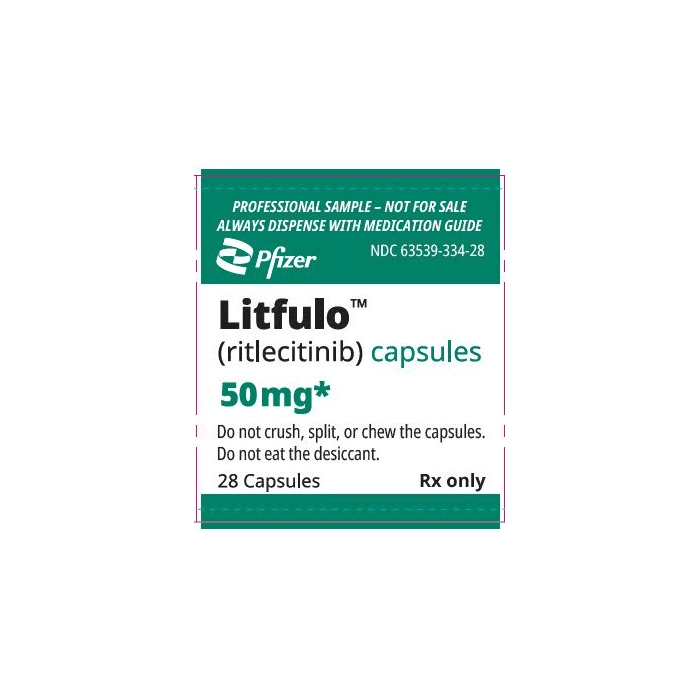
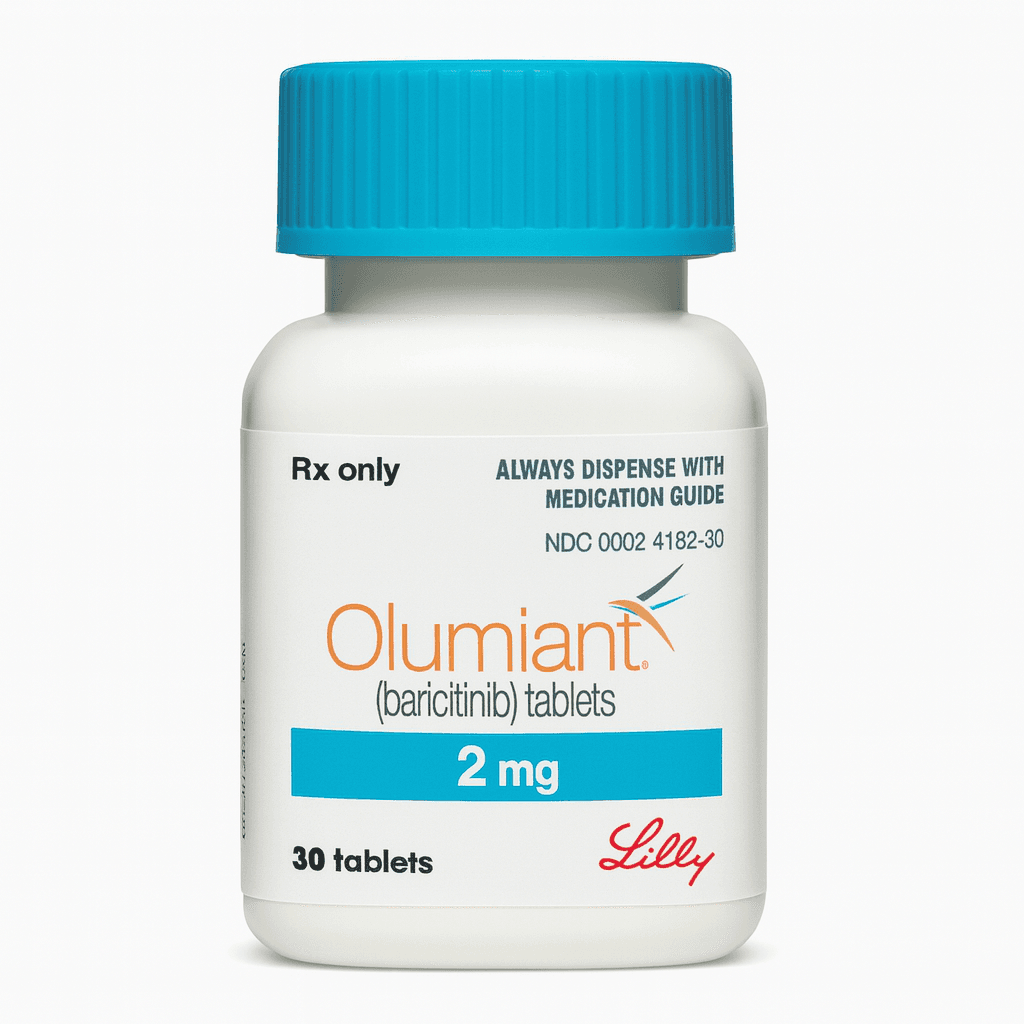
For more severe disease, clinicians may discuss JAK inhibitors for alopecia areata. These are immune signaling blockers with important warnings and monitoring needs. Any decision should follow current alopecia areata guidelines and individual risk factors.
A licensed clinician decides what is clinically appropriate for each person.
- Medication interactions, allergies, and pregnancy considerations
- Skin irritation risks from topical products and contact sensitizers
- Infection risk discussions for immune-modulating medicines
- Eye-area sensitivity when hair loss affects eyelashes or brows
- When a biopsy or lab work may be considered for diagnosis clarity
For a plain-language overview from dermatology experts, see this American Academy of Dermatology page: Alopecia Areata Basics and Types.
For patient support resources and terminology, see this national nonprofit overview: Alopecia Areata Patient Information.
Access and Prescription Requirements
Some options in this collection are non-prescription education resources. Others may involve prescription-only medications or clinician documentation. Alopecia Areata care often includes follow-ups to document response and side effects.
When a prescription is needed, licensed dispensing and prescription verification are required. Cash-pay options are sometimes available without insurance, depending on the medication. Availability can vary by state rules and pharmacy policies.
If a clinician recommends medication, Medispress can coordinate routing prescriptions through partner pharmacies, where allowed.
- A current medication list, including supplements and topical products
- Known drug allergies and past reactions
- Clear photos of affected areas, taken in consistent lighting
- Notes on timing, stressors, illness, or new products around onset
- Past treatments tried and why they were stopped
- Preferred pharmacy details, if a choice is offered
Quick tip: Keep one folder of photos to compare changes month to month.
Some people also ask about cash-pay access without insurance for visits. Medispress offers video visits that are billed as a flat fee. Clinicians document the visit and decide next steps. Prescriptions, if appropriate, follow standard pharmacy checks.
Related Resources
Many people compare Alopecia Areata vs telogen effluvium when shedding feels sudden. Telogen effluvium often causes diffuse shedding instead of distinct patches. This browse page supports that comparison by defining patterns and typical workups. It also explains terms used for eyebrows, eyelashes, and scalp findings.
For broader hair-loss context and practical grooming approaches, see How To Stop Hair Loss. It can help set expectations for what home care can and cannot do. It also clarifies when a visit is useful for documentation.
- How to describe symptoms in a way clinicians can use
- What “autoimmune” can mean in everyday language
- Which questions fit a first visit versus a follow-up
- How to track changes, including brows, lashes, and nails
This content is for informational purposes only and is not a substitute for professional medical advice.

Find suitable medication for Alopecia Areata
Book a telehealth visit to discuss Alopecia Areata
Find a doctor
Speciality
State

Video Visit
$69

Video Visit
$69

Video Visit
$69

Video Visit
$69

Video Visit
$69

Video Visit
$69

Speciality: Dermatology, Family Medicine, Men's Health, Urgent Care, Women's health
Speaks: English, Spanish, French, Arabic, Portuguese
Video Visit
$69

Video Visit
$69

Video Visit
$69

Video Visit
$69

Video Visit
$69

Video Visit
$69
Frequently Asked Questions
What is included on this Alopecia Areata category page?
This page collects browsing-friendly resources about alopecia areata. It covers common symptoms, likely causes, and diagnosis basics. It also summarizes treatment categories that clinicians may discuss. Some items focus on scalp patches, while others cover eyebrows or eyelashes. You will also find administrative notes about prescription requirements. The goal is to make visit terms and options easier to compare.
What information helps a clinician evaluate patchy hair loss?
Clinicians often start with the pattern, location, and timing of hair loss. Photos can help show shape and progression over time. A short history matters, including new medicines and recent illness. Notes about itching, pain, or scaling can also help. Nail findings, like pitting, may be relevant. A clinician may also ask about family history and related autoimmune conditions.
How are prescriptions handled for hair-loss medications?
Prescription-only options require a clinician assessment and a valid prescription. Pharmacies generally verify prescriptions before dispensing medications. Some platforms can help route prescriptions to partner pharmacies, when allowed. Access can depend on state regulations and pharmacy policies. Cash-pay is sometimes possible without insurance, depending on the medication. A clinician decides whether a prescription is appropriate for the situation.
Are JAK inhibitors appropriate for everyone with alopecia areata?
JAK inhibitors are not a fit for every person or situation. They can have important warnings, interactions, and monitoring considerations. Suitability can depend on age, pregnancy status, infection risk, and other medical history. Severity and location of hair loss also matter. A clinician can review risks and alternatives in context. Official prescribing information is the best source for safety details.
How is alopecia areata different from telogen effluvium?
Alopecia areata often causes well-defined patches of hair loss. Telogen effluvium more often causes diffuse shedding across the scalp. Both can start after stress, illness, or hormonal shifts. Visual pattern, exam findings, and timeline help separate them. Some cases need lab work or closer follow-up for clarity. A clinician can also check for overlapping conditions or other causes of shedding.