


Allergies
Care Options for Allergies
Browse Medispress resources for Allergies, from seasonal flare-ups to food reactions.
The collection highlights allergy symptoms, common triggers, and typical care pathways.
Examples include pollen allergy and allergic rhinitis (hay fever), plus pet allergy.
It also covers dust mite allergy, mold allergy, and food allergies like peanut allergy.
For skin concerns, see notes on eczema and allergies and hives (urticaria).
Visits are by video with licensed U.S. clinicians in our HIPAA-secure app.
Use this category page to compare medication types and practical details.
Some options are over-the-counter, while others may need prescriptions.
Details here stay high level and focused on safe, informed browsing.
Allergies What You’ll Find
This collection brings together common trigger patterns and symptom groupings.
It supports quick comparisons across nose, eye, skin, and breathing complaints.
Expect references to seasonal allergies, indoor triggers, and food reactions.
Common terms may include allergic rhinitis (hay fever) and hives (urticaria).
Medication categories may include antihistamines guides, nasal steroid sprays, and eye drops.
For severe reactions, there may be epinephrine auto-injector information and safety context.
Alongside medication browsing, there are care-planning basics for virtual visits.
For a broader overview, see What Telehealth Can Treat.
- Common trigger examples, like pollen, pets, dust mites, and mold
- Symptom groupings, including nasal, skin, and eye complaints
- Medication type overviews, including oral and nasal options
- High-level safety notes, including red-flag symptoms
- Visit-prep resources for sharing a clear symptom history
- Administrative notes about prescription-only options
How to Choose
Different triggers can look similar, especially early in a flare.
When Allergies symptoms vary across seasons, pattern details become more useful.
Matching the symptom pattern to the product category supports safer comparisons.
Quick tip: A short symptom log helps visits stay focused and efficient.
Match the symptom pattern
Start with where symptoms show up most and when they appear.
- Nasal symptoms: sneezing, itching, runny nose, or congestion
- Eye symptoms: watery, itchy, or red eyes during exposures
- Skin symptoms: eczema flares or sudden hives after contact exposures
- Breathing symptoms: cough or wheeze that may overlap with asthma
- Timing: seasonal allergies versus year-round indoor exposures
- Settings: home, work, school, travel, or around animals
- Food reactions: symptoms tied to specific meals or ingredients
Check practical details
Then compare how each option fits routines, labels, and other health needs.
- Age ranges and special populations noted on the package labeling
- Non-drowsy versus drowsy warnings for some antihistamines
- Form factor preferences, like tablets, liquids, sprays, or drops
- Medication interactions and precautions listed on the Drug Facts label
- How often a product is taken, based on labeled directions
- Whether symptoms are mild, moderate, or rapidly worsening
- Questions to ask a clinician, especially with complex histories
Safety and Use Notes
Label details matter, especially when several products seem similar.
Some ingredients overlap across cold, sinus, and allergy products.
That overlap can increase side effects when products are stacked together.
Clinicians make the clinical call on diagnosis and treatment decisions.
Some antihistamines can cause drowsiness or slowed reaction time.
Nasal sprays can also irritate the nose if used incorrectly.
For a plain-language overview, see MedlinePlus on anaphylaxis.
Anaphylaxis (a severe, fast allergic reaction) can be life-threatening.
Why it matters: Severe reactions can escalate quickly and need emergency care.
- Trouble breathing, noisy breathing, or tightness in the throat
- Swelling of lips, tongue, face, or throat
- Widespread hives with dizziness or fainting
- Severe vomiting, diarrhea, or sudden belly pain after exposure
- Confusion, collapse, or signs of shock
Emergency services are appropriate for severe symptoms or rapid progression.
For device safety updates, see FDA notes on epinephrine auto-injectors.
Skin symptoms may also reflect contact irritation, infections, or medication reactions.
A clinician can help sort allergy patterns from other look-alike conditions.
Access and Prescription Requirements
Many allergy products are sold over the counter with Drug Facts labeling.
Other options for Allergies may be prescription-only, depending on the medication.
Prescription medicines require a clinician evaluation and a valid prescription.
When appropriate, prescriptions may be coordinated through partner pharmacies, depending on state rules.
Some people use cash-pay options, often without insurance, for simpler access.
Licensed pharmacies dispense medications and follow verification and safety rules.
Having clear details ready can reduce back-and-forth during request review.
- A current medication list, including supplements and recent short-term medicines
- Known drug allergies and past side effects, if any were documented
- Key symptom timing, triggers, and what has already been tried
- Recent medical conditions that may affect product selection
- Preferred pharmacy details, if a prescription is issued
- Accurate contact information for follow-up questions
Refill rules vary by medication class, state regulations, and prescriber judgment.
Some products may require periodic reassessment, especially with changing symptoms.
Related Resources
For Allergies visit planning, these guides explain common telehealth steps.
Start with Telehealth Online Basics and Telemedicine Services And Virtual Visits.
For appointment prep, see Virtual Doctor Visit Guide.
If technology is a barrier, use Tech Troubles Visit Tips for troubleshooting basics.
To prepare questions, browse Top Telehealth Visit Questions.
For prescription logistics, review Prescriptions Through Telehealth.
If breathing issues are part of the picture, see Telehealth For Asthma for overlap considerations.
This content is for informational purposes only and is not a substitute for professional medical advice.

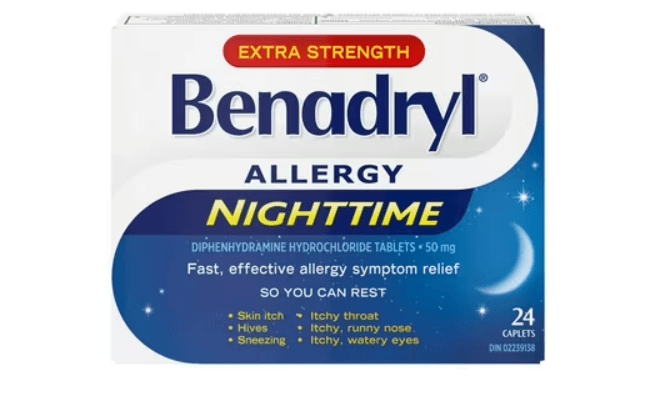
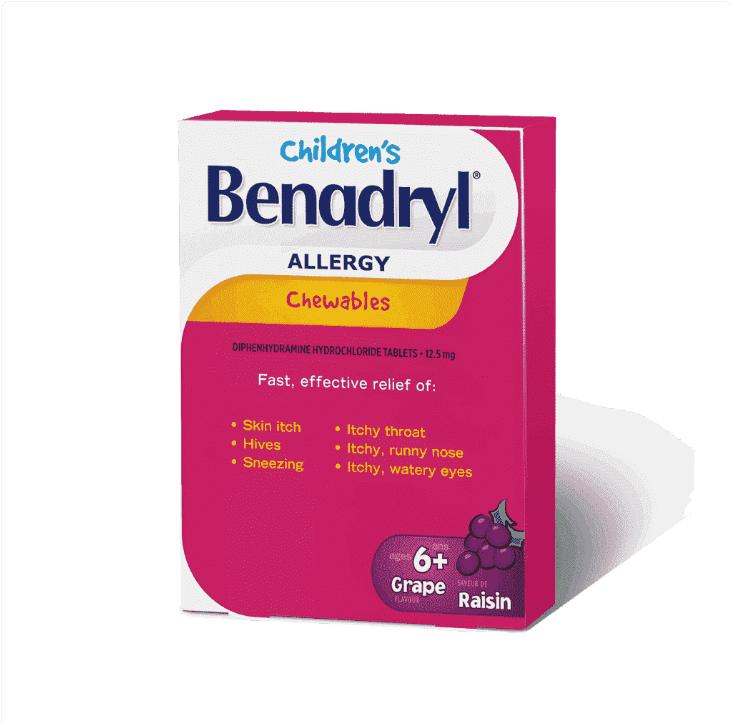
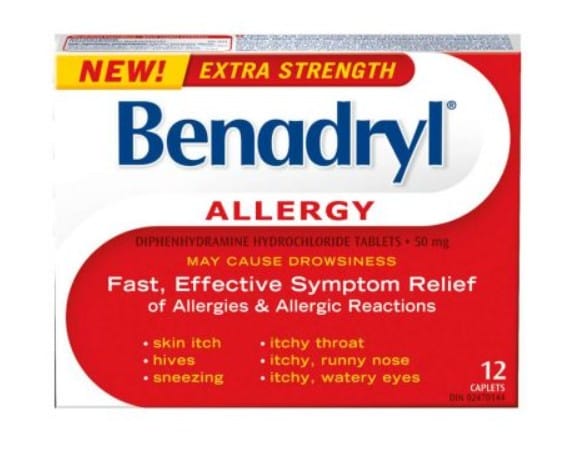
Find suitable medication for Allergies
Book a telehealth visit to discuss Allergies
Find a doctor
Speciality
State

Video Visit
$69

Video Visit
$69

Video Visit
$69

Video Visit
$69

Video Visit
$69
Meet Dr. Priya Asija: Board-Certified Family Physician and Wound Care Specialist Committed to Comprehensive CarePriya Asija is a board-certified Family Medicine physician and Wound Care Specialist with more than 15 years of experience. Her work includes primary care, urgent care-style visits, telemedicine, and advanced wound management. She holds a Wound Care Certification (WCC) through NAWCO, is credentialed in hyperbarics, and maintains BLS and ACLS certifications. She is licensed to practice in Texas, Florida, Pennsylvania, Wisconsin, Alabama, Arizona and Illinois.Dedicated to delivering high-quality, patient-centered care, Dr. Asija treats a wide range of acute and chronic medical conditions, provides preventive services, and specializes in wound care and hyperbaric medicine. She is the owner of Brookfield Family Practice, division of SAAK Health Care, partner at SAAK Wound Care Clinic and Hyperbarics, and serves as Medical Director for Wisconsin Wound Pros. Her services include primary care visits, urgent care management, wound evaluations, hyperbaric therapy oversight, telemedicine consultations, and prescription refill appointments when medically appropriate to support continuity of care.Fluent in English, Dr. Asija combines strong clinical expertise with compassionate communication. She collaborates closely with patients and interdisciplinary teams to promote healing, preventive health, and long-term wellness, ensuring accessible and comprehensive care across the states in which she practices.
Read Bio
Speciality: Family Medicine
Speaks: English
Video Visit
$69

Video Visit
$69

Video Visit
$69

Video Visit
$69

Video Visit
$69

Video Visit
$69
Frequently Asked Questions
What will I find on the Allergies category page?
This page groups common allergy topics in one place for easier browsing. It may include medication categories, safety notes, and plain-language symptom patterns. It also links to telehealth preparation resources and prescription access basics. The goal is to help patients and caregivers compare options before taking next steps. Listings and availability can vary, and clinicians decide what is appropriate.
How are seasonal allergies different from allergic rhinitis?
Seasonal allergies describe symptoms that flare during certain times of year. Those flares often relate to outdoor triggers like pollen. Allergic rhinitis is the clinical term for nose symptoms caused by allergens. Many people use “hay fever” to mean the same thing. A clinician may use allergic rhinitis to describe both seasonal and year-round patterns, depending on triggers.
What are anaphylaxis signs that need emergency care?
Anaphylaxis is a severe, fast allergic reaction that can be life-threatening. Warning signs can include trouble breathing, throat tightness, or swelling of the tongue. Widespread hives with dizziness, fainting, or confusion is also concerning. Severe vomiting or collapse after an exposure can be another signal. Emergency services are appropriate when severe symptoms appear or symptoms worsen quickly. This page is not a substitute for medical advice.
Do allergy medications always require a prescription?
No. Many allergy medicines are available over the counter with Drug Facts labeling. Other options are prescription-only, which requires a clinician evaluation. Pharmacies dispense prescription medicines under state and federal rules. Some patients use cash-pay options, often without insurance, when that fits their needs. Product status can differ by medication type and state requirements, so details matter.
What happens during a telehealth visit for allergy concerns?
Telehealth visits typically focus on symptom history, timing, and triggers. Clinicians may ask about nose, eye, skin, breathing, or food-related symptoms. A current medication list and prior reactions are often important context. Photos can help for rashes or hives when available and clear. Visits occur by video in a secure app, and clinicians make the clinical decisions. If appropriate, prescription options may be coordinated through partner pharmacies.
Can telehealth help when asthma and allergies overlap?
Asthma and allergies can share symptoms like cough, chest tightness, and wheeze. Telehealth can help review patterns, current medications, and recent changes. It can also help clarify when symptoms suggest a different problem. Severe breathing trouble needs urgent in-person evaluation or emergency care. Telehealth is best for non-emergency questions and care planning with a licensed clinician.