


Allergic Rhinitis
Care Options for Allergic Rhinitis
Allergic Rhinitis is a common cause of sneezing, congestion, and itchy eyes. It is often called hay fever, even without a fever. Triggers can include pollen allergy, dust mite allergy, pet dander allergy, and mold allergy.
This category page supports browsing and learning in one place. It can help patients and caregivers compare common medication types and related topics. It also links to nearby allergy and skin condition collections for context.
Visits can be completed by video with licensed U.S. clinicians.
Why it matters: Nasal allergy symptoms can look like a cold or sinus issues.
Allergic Rhinitis: What You'll Find
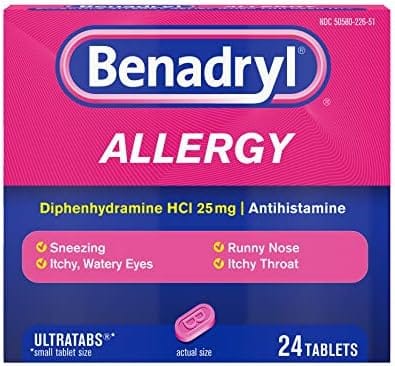
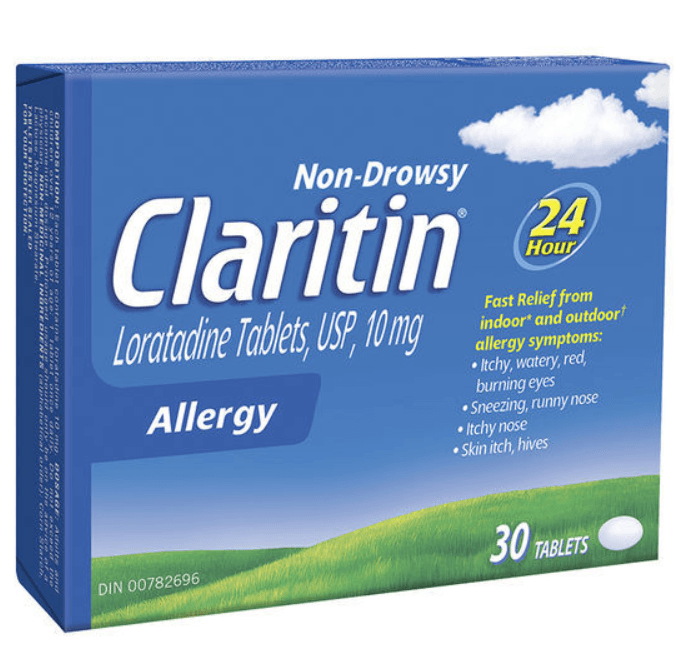
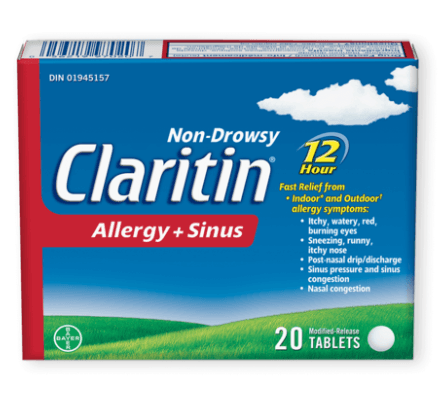
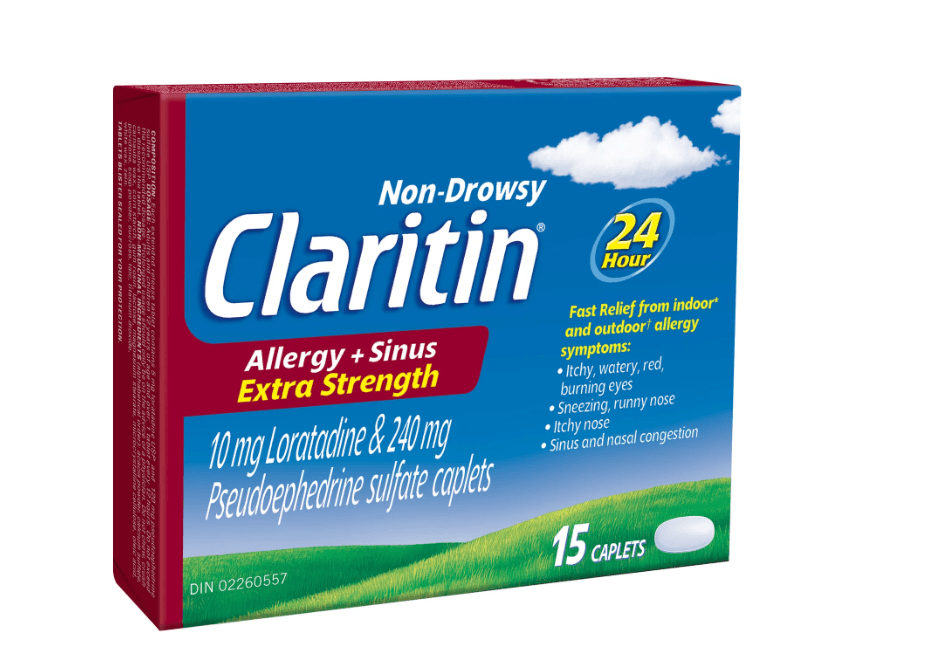
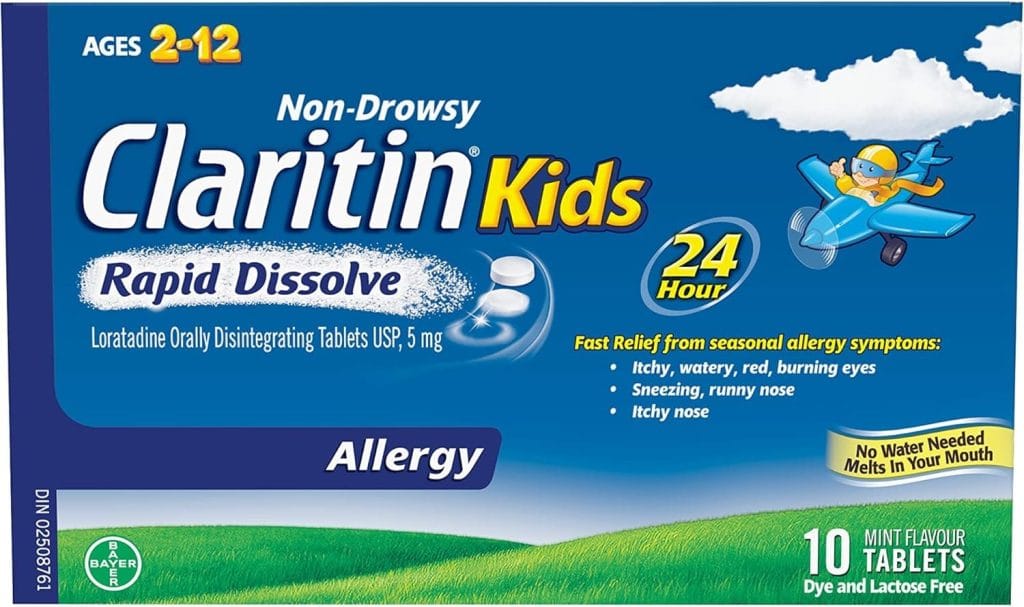
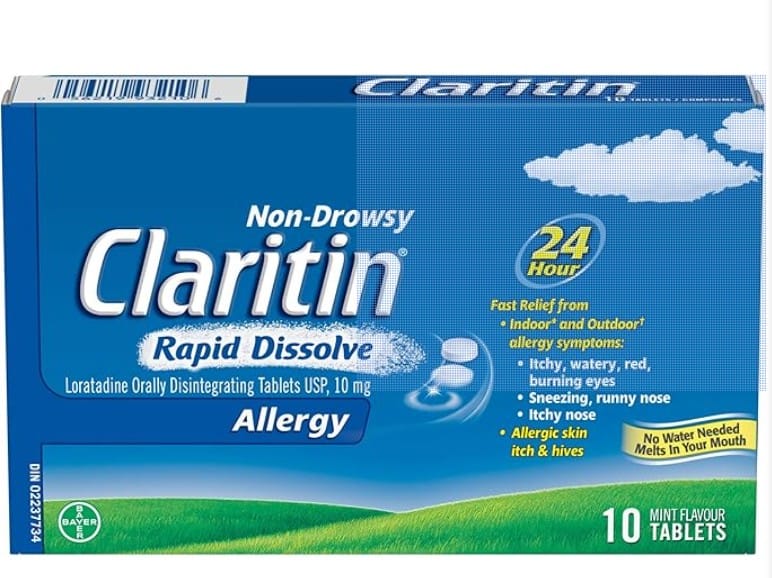
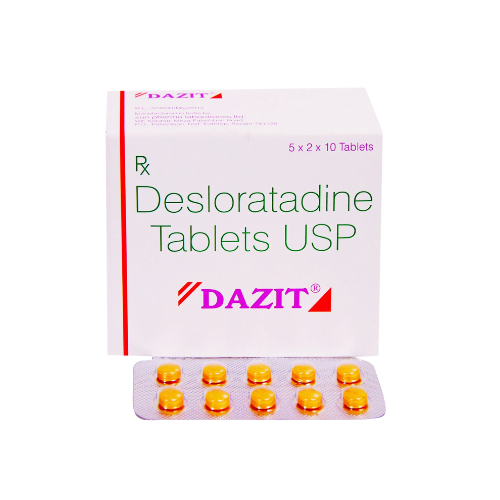
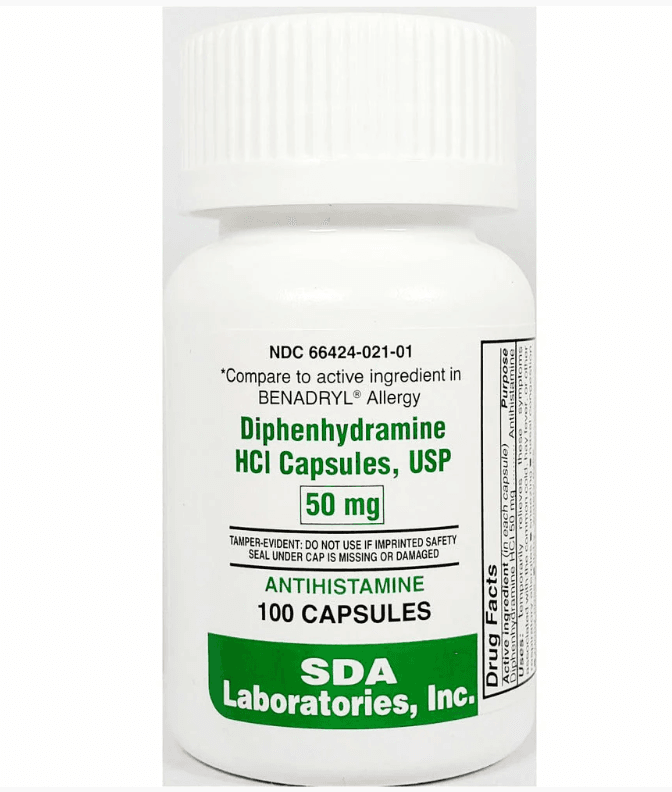
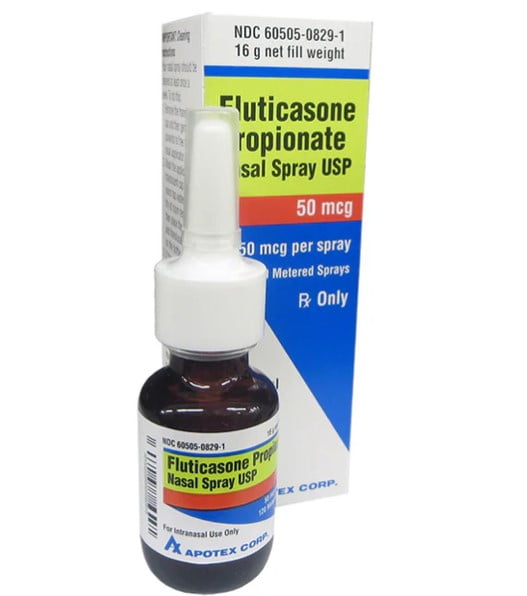
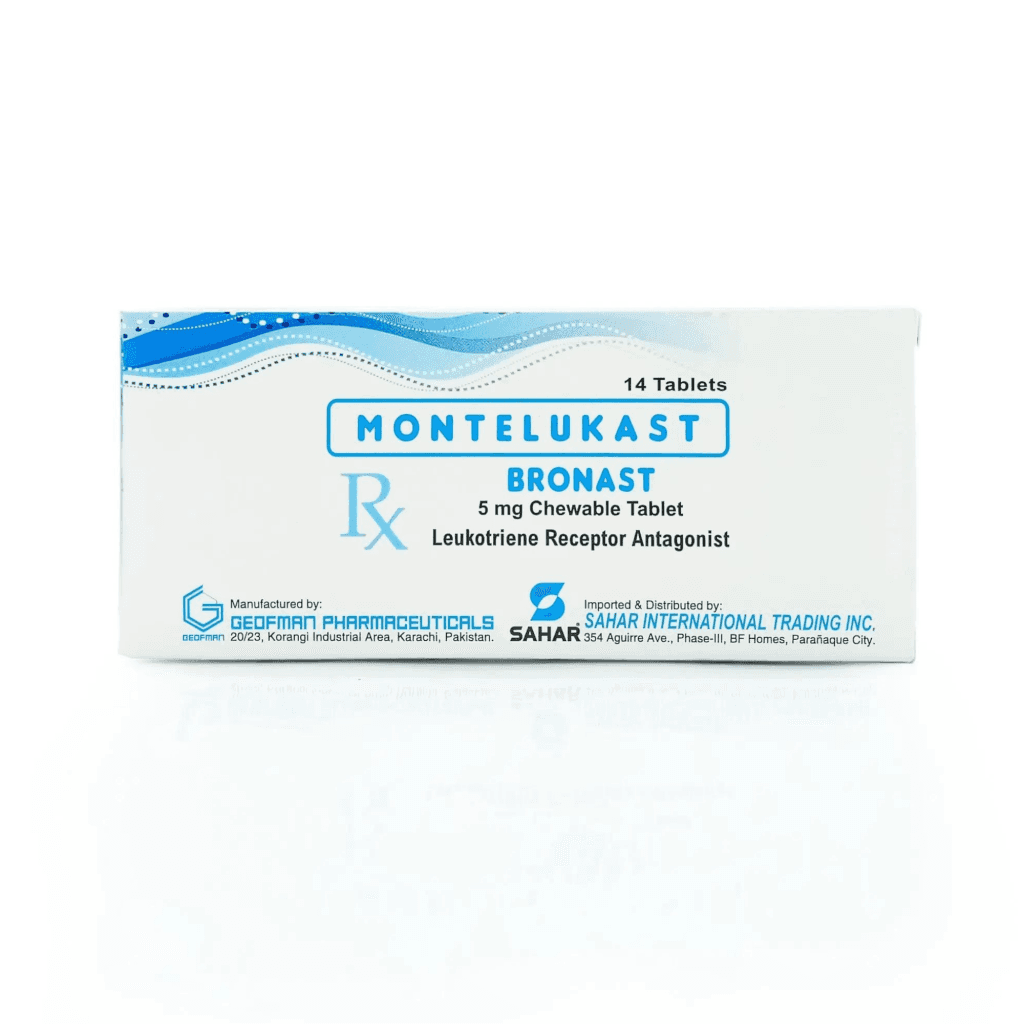
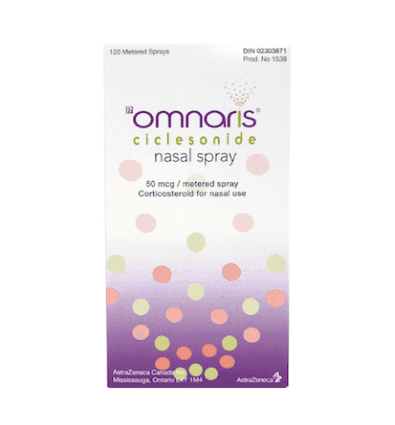
This browse page brings together common options used for nasal allergies. Listings may include oral antihistamines for allergies (allergy-blockers) and intranasal corticosteroids (steroid nasal sprays). Some people also look for decongestant products, saline rinses, or eye drops for related symptoms.
Each item typically has practical details for comparison. Look for the form, active ingredient, and whether it is prescription or over-the-counter. Some listings also note age ranges, warnings, and packaging information.
If symptoms involve the eyes, the Allergic Conjunctivitis collection can help with browsing nearby options. For broader browsing across similar conditions, explore Allergic Disorders. A related condition page, Hay Fever Overview, may also provide additional context.
- Medication formats, such as tablets, liquids, and nasal sprays
- High-level notes about common triggers and symptom patterns
- Related condition collections for overlapping symptoms
- Administrative guidance on prescriptions and pharmacy requirements
How to Choose
Choosing an option often starts with symptom patterns and timing. Seasonal allergic rhinitis tends to flare with pollen seasons. Perennial allergic rhinitis may feel steadier across months.
Allergic Rhinitis can show up with postnasal drip, throat clearing, or cough. Some people also report fatigue from poor sleep and mouth breathing. A clinician can help connect symptoms with safe next steps.
Match symptoms to the product format
- Nasal congestion and sneezing may lead people to compare nasal sprays
- Itchy eyes may overlap with allergic conjunctivitis (itchy, watery eyes)
- Runny nose may be described as clear drainage or drip
- Night symptoms may relate to dust mites or indoor triggers
Check practical fit and boundaries
- Whether an option is OTC or requires a prescription
- Age labeling for pediatric allergic rhinitis considerations
- Warnings about drowsiness, dryness, or heart conditions on labels
- Other medicines already being used, including cold remedies
- Work and driving needs, if sedation is a concern
Quick tip: Track dates and settings when symptoms worsen.
Safety and Use Notes
Allergy products can be helpful, but they still carry risks. Some antihistamines may cause sleepiness or dry mouth. Decongestants can raise heart rate or blood pressure in some people.
Nasal sprays may cause irritation, nosebleeds, or an unpleasant taste. Overuse of certain decongestant sprays can worsen congestion after stopping. It is reasonable to review the product label and any warnings carefully.
Clinical decisions stay with the clinician after reviewing history and current medicines.
Extra caution matters for pregnancy, older adults, and young children. It also matters for people with glaucoma, prostate symptoms, or heart rhythm concerns. When symptoms feel severe, wheezing occurs, or sleep is regularly disrupted, higher-level evaluation may be appropriate.
For a plain-language overview, see AAAAI Allergic Rhinitis. For symptom and trigger basics, review MedlinePlus Hay Fever.
Skin symptoms can also travel with allergy flares. The Allergic Dermatitis collection may help with related browsing.
Access and Prescription Requirements
Some options are available over the counter, while others require an Rx. This is common across allergic rhinitis treatment categories, including certain nasal sprays. Product pages often note whether a prescription is required.
When a prescription is needed, licensed dispensing and prescription verification are standard steps. The goal is to confirm the medication matches a valid clinical order. This helps support safe distribution and accurate records.
When clinically appropriate, prescriptions can be coordinated through partner pharmacies under state rules.
Cash-pay access is often available, including without insurance. Availability can still depend on the medication, the pharmacy, and local regulations. Some medications may also have quantity limits or refill rules set by law.
If symptoms include breathing issues, a related browse page is Severe Allergic Asthma. For urgent, sudden-onset symptoms like swelling or hives, see Allergic Reaction for adjacent context.
Related Resources
Use this page to compare options and keep notes for the next visit. Allergic Rhinitis management often works best with clear symptom timelines and trigger clues. Simple details can help make conversations with a clinician more efficient.
For broader skin comfort reading, see Skin Irritation Treatments. For longer-term flare planning, Eczema Remote Support Tips may be helpful.
- Browse nearby allergy-related condition collections
- Compare formats and label warnings across options
- Keep a short list of questions for the next appointment
This content is for informational purposes only and is not a substitute for professional medical advice.

Find suitable medication for Allergic Rhinitis
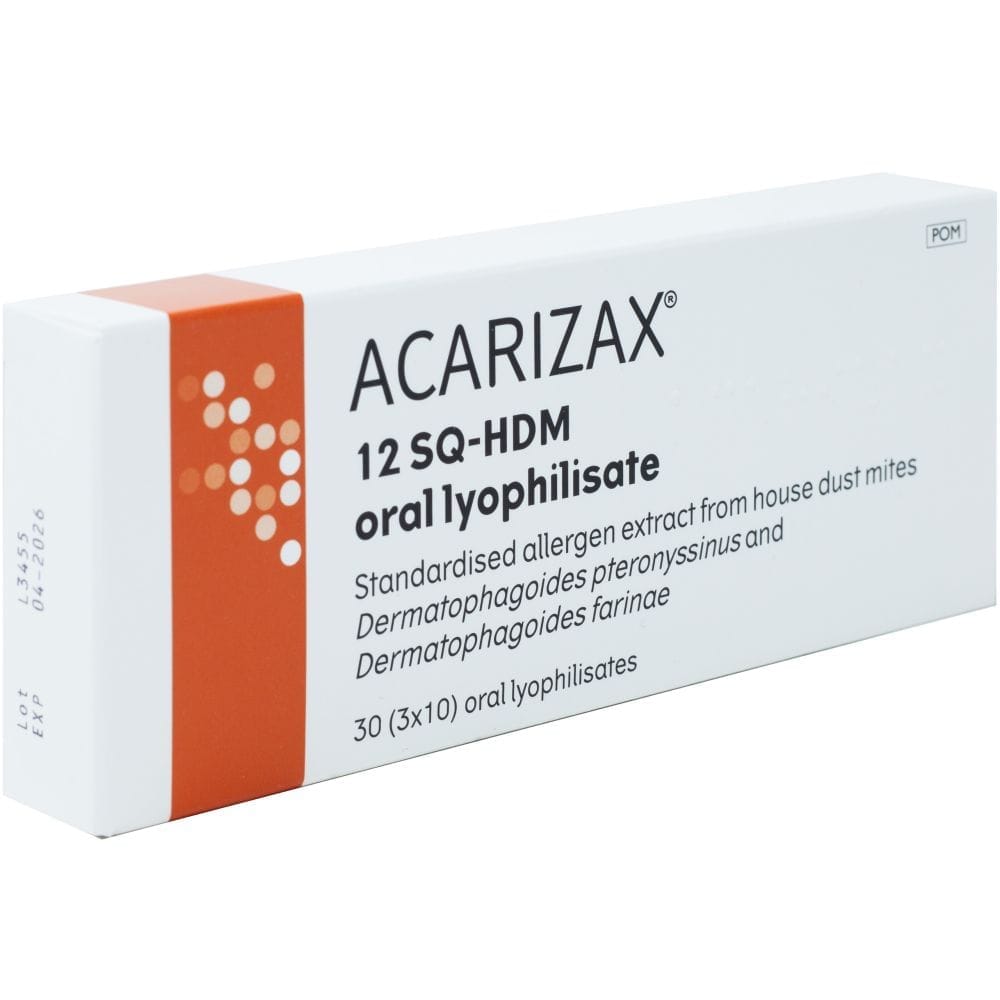
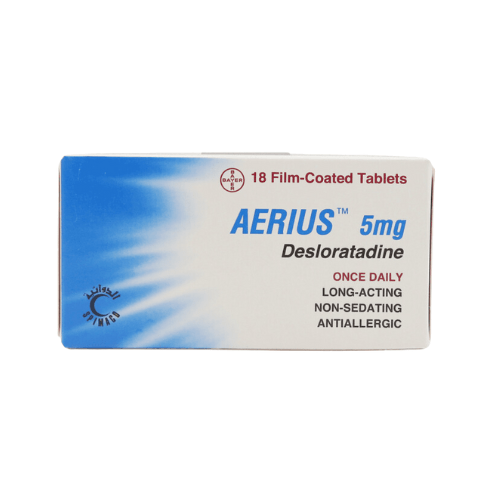
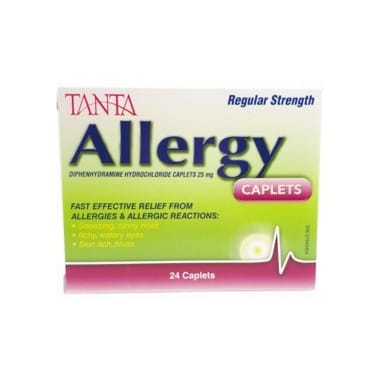
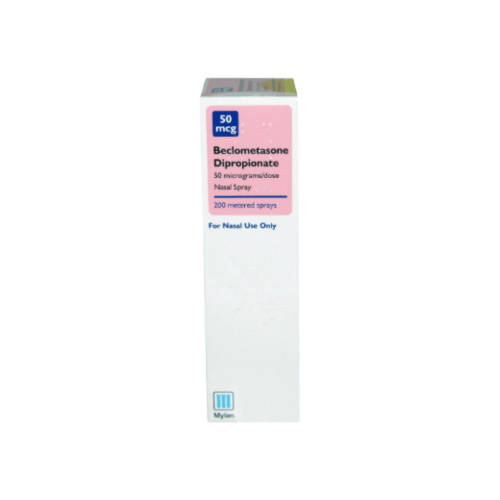





Book a telehealth visit to discuss Allergic Rhinitis
Find a doctor
Speciality
State

Video Visit
$69

Video Visit
$69

Video Visit
$69

Video Visit
$69

Video Visit
$69

Video Visit
$69

Speciality: Dermatology, Family Medicine, Men's Health, Urgent Care, Women's health
Speaks: English, Spanish, French, Arabic, Portuguese
Video Visit
$69

Video Visit
$69

Video Visit
$69

Video Visit
$69

Video Visit
$69

Video Visit
$69
Frequently Asked Questions
What is included on this Allergic Rhinitis category page?
This category page brings together common options and related education for nasal allergies. It may include products that are over-the-counter and items that require a prescription. It also links to related condition collections when symptoms overlap, such as eye irritation or skin flares. Use it to compare formats, active ingredients, and basic label cautions. It is meant to support browsing and organization, not to replace clinical guidance.
How can I tell if a medication needs a prescription?
Product pages usually indicate whether an item is prescription-only or available over the counter. If a prescription is required, the pharmacy generally needs a valid order from a licensed clinician. Prescription verification is a standard safety step before dispensing. If the listing is OTC, the label still matters for warnings and age guidance. When details are unclear, a clinician or pharmacist can help interpret the listing safely.
What is the difference between seasonal and perennial allergic rhinitis?
Seasonal symptoms often line up with outdoor triggers, like tree, grass, or ragweed pollen. Perennial symptoms tend to occur throughout the year and may relate to indoor triggers. Both patterns can share similar symptoms, including congestion, sneezing, and postnasal drip. People can also have a mix of seasonal and year-round symptoms. A clinician can help review timing and exposures and discuss appropriate care options.
When should someone consider seeing an allergist?
A specialist visit can be helpful when symptoms are persistent, severe, or hard to control. It can also help when sleep disruption, frequent sinus pressure, or asthma-like symptoms are present. Another reason is when side effects limit common medication choices. People with repeated or unexplained reactions may also benefit from specialist review. An allergist can help clarify likely triggers and discuss longer-term management approaches.
Are allergy nasal sprays safe to use with other medicines?
Some nasal sprays can interact with other medicines, or add to similar side effects. For example, combining multiple products that dry the nose or cause drowsiness may be a concern. People using blood pressure medicines, antidepressants, or other cold remedies may need extra caution. Labels list key warnings, but they cannot cover every situation. A clinician or pharmacist can help check compatibility using a full medication list.