


Allergic Reaction
Care Options for Allergic Reaction
Browse this category page for practical information tied to Allergic Reaction concerns. It brings together condition collections, guidance pages, and related topics. Patients and caregivers can compare common triggers, symptom patterns, and care pathways.
Allergy responses can affect skin, eyes, nose, lungs, and the gut. Some episodes show as an allergic rash, itching, or hives (urticaria, raised itchy welts). Others involve deeper swelling called angioedema (swelling under the skin). Reactions may follow foods, medicines, insect stings, latex, or skin contact.
Visits happen by video with licensed U.S. clinicians.
Allergic Reaction: What You’ll Find
This browse page centers on common ways allergy episodes get evaluated and managed. You may see options connected to OTC support, prescription pathways, and condition-aligned guidance. Listings often include practical details like form, use area, and key safety notes.
It also helps place symptoms in context with closely related categories. For eye irritation that suggests allergies, explore Allergic Conjunctivitis. For skin flares after products or friction, compare Allergic Dermatitis. For broader patterns and triggers, see Allergic Disorders. For persistent sneezing and congestion, review Allergic Rhinitis.
- Condition collections connected to common allergy patterns and triggers
- High-level safety notes, including emergency warning signs to recognize
- Administrative basics for prescriptions, refills, and pharmacy verification
- Links to related topics, including eyes, skin, and airway symptoms
How to Choose
Start with the main symptom location and likely trigger. Then narrow options by how quickly symptoms began. When reviewing an Allergic Reaction history, note how fast symptoms appeared. Timing can change what questions matter during a visit.
Match the trigger and body area
- Skin contact: consider irritants, metals, fragrances, and plant exposure
- Foods: note new items, cross-contact risk, and restaurant meals
- Medicines: record the name, start date, and any recent dose changes
- Insect stings: document the insect type if known and where it happened
- Workplace exposures: note gloves, adhesives, cleaning products, or powders
Check practical fit for daily life
- Form factors: tablets, liquids, creams, eye drops, or nasal sprays
- Daytime needs: consider drowsiness risk and driving or school routines
- Skin use: look for guidance on face use versus body use
- Kid considerations: consider taste, dosing tools, and school policies
- Ongoing prevention: track triggers and repeat exposure patterns
Quick tip: Keep a dated list of foods, medicines, and exposures.
Care takes place in a secure, HIPAA-compliant app.
Safety and Use Notes
Symptoms can range from mild itching to life-threatening reactions. A serious Allergic Reaction can include anaphylaxis (a fast, whole-body emergency). It can involve breathing problems, low blood pressure, or collapse. Skin signs alone do not always show severity.
Emergency care is needed for severe symptoms, even if uncertain. Common emergency warning signs include the following patterns. For a plain-language overview, see AAAAI anaphylaxis overview.
- Trouble breathing, wheezing, or rapid shortness of breath
- Throat tightness, hoarseness, or trouble swallowing saliva
- Swelling of the tongue, lips, or face that is getting worse
- Fainting, confusion, or signs of shock like clammy skin
- Widespread hives with vomiting, diarrhea, or severe belly pain
Why it matters: Throat swelling can worsen quickly, even without a rash.
Epinephrine auto-injectors are prescription devices for severe allergy risk. Device steps and warnings vary by brand and version. For general safety information, review FDA epinephrine injection information. A clinician can review whether a device is appropriate.
Access and Prescription Requirements
Many allergy supports are over the counter, while others require a prescription. Prescription items may include certain inhalers, eye drops, or stronger anti-inflammatory options. Some people also need a plan for severe airway symptoms or asthma overlap. For ongoing airway control topics, browse Severe Allergic Asthma.
For recurring Allergic Reaction concerns, a clinician may review records and recent exposures. Clinicians make decisions based on symptoms, history, and safety risk. When clinically appropriate, prescriptions may be coordinated through partner pharmacies. State rules and verification requirements can affect what is available.
Pharmacies may need identity checks and prescription validation before dispensing. That process supports licensed dispensing and safe handoff. Cash-pay access may be an option, often without insurance. Availability can vary by medication and by state requirements.
Seasonal nose symptoms can overlap with other conditions. If sneezing and congestion are the main issue, compare Allergic Rhinitis Hay Fever. That can help separate a nasal pattern from skin-only flares.
Related Resources
Related reading can help clarify common patterns and next questions. For broad skin irritation approaches, see Skin Irritation Treatments. For longer-term eczema context, review Eczema Remote Support. If a past Allergic Reaction involved emergency care, keep records easy to find. Helpful records include photos, medication lists, and dated trigger notes.
This content is for informational purposes only and is not a substitute for professional medical advice.

Find suitable medication for Allergic Reaction
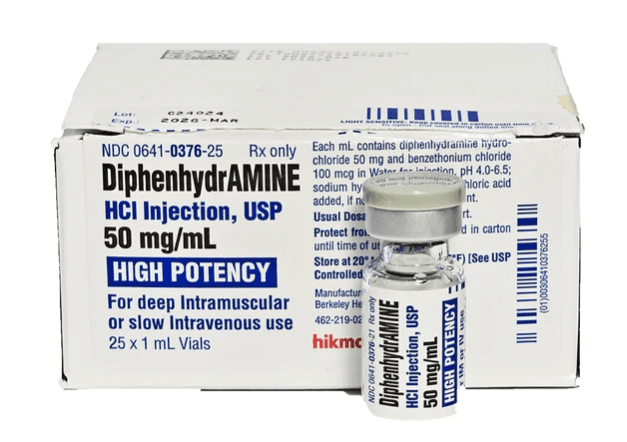

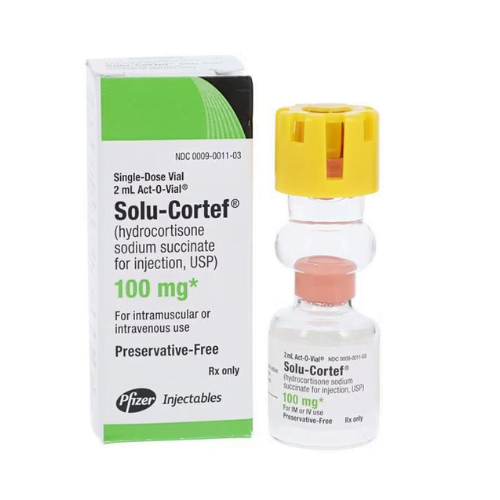
Book a telehealth visit to discuss Allergic Reaction
Find a doctor
Speciality
State

Video Visit
$69

Video Visit
$69

Video Visit
$69

Video Visit
$69

Video Visit
$69

Video Visit
$69

Speciality: Dermatology, Family Medicine, Men's Health, Urgent Care, Women's health
Speaks: English, Spanish, French, Arabic, Portuguese
Video Visit
$69

Video Visit
$69

Video Visit
$69

Video Visit
$69

Video Visit
$69

Video Visit
$69
Frequently Asked Questions
What topics are covered on this Allergic Reaction category page?
This page groups resources that support browsing and basic understanding. It can include related condition collections, safety context, and administrative notes. Many people use it to compare common trigger patterns and symptom locations. It also links to nearby topics, like skin, eye, and nose allergies. The goal is to make it easier to find relevant pages quickly. It is not a replacement for clinical evaluation or emergency care.
How can I tell if symptoms could be severe?
Severity is not only about how the rash looks. Breathing trouble, throat tightness, fainting, or severe dizziness are emergency signs. Rapidly worsening tongue or face swelling can also be dangerous. Vomiting with widespread hives can be concerning too. When symptoms suggest anaphylaxis, emergency care is appropriate. If there is any doubt, it is safer to treat it as urgent. A clinician can help review risk after the episode.
Do I need a prescription for allergy medicines?
Some common options are available over the counter, while others require a prescription. Prescription status depends on the medication type and strength. In many cases, pharmacies must verify a valid prescription before dispensing. This helps support safe and licensed fulfillment. If a prescription is needed, a licensed clinician has to decide if it is appropriate. Availability can also depend on state-specific requirements.
How do Medispress telehealth visits work for allergy concerns?
Medispress offers video visits with licensed U.S. clinicians in a secure app. The clinician reviews symptoms, history, and relevant safety risks. They decide what care steps are appropriate based on clinical judgment. When appropriate, they may coordinate prescription options through partner pharmacies. Pharmacy and state rules can affect what can be prescribed or dispensed. Telehealth is not intended for emergencies like suspected anaphylaxis.
What information is helpful to have ready before a visit?
A short timeline often helps the most. Many people note symptom start time and what changed that day. A list of new foods, medicines, supplements, and skin products is useful. Photos of rashes or swelling can help document the pattern. It also helps to list past allergy episodes and any emergency treatment. If there is a known trigger, write down where exposure happened. Keep medication names and allergies updated in the account.