


Adrenal Insufficiency
Care Options and Resources for Adrenal Insufficiency
This collection focuses on Adrenal Insufficiency for patients and caregivers. It gathers practical resources, common medication categories, and access notes. Many people also see it called Addison’s disease in older materials. Some cases are primary adrenal insufficiency, often from autoimmune adrenalitis. Others are secondary adrenal insufficiency from pituitary ACTH deficiency. Tertiary adrenal insufficiency can occur after glucocorticoid withdrawal. Symptoms can overlap with many conditions, including fatigue and dizziness. Orthostatic hypotension (blood pressure drop on standing) is one example. Medispress visits happen by video with U.S.-licensed clinicians in a HIPAA-secure app.
Use this category page to compare options for ongoing management needs. It can also help organize questions for a clinician visit. The goal is clearer next steps and fewer surprises at the pharmacy.
Adrenal Insufficiency What You’ll Find
This browse page groups items commonly used when cortisol deficiency is diagnosed. Listings may include replacement steroid therapies, plus related supplies and education. Some options are daily medicines, while others support emergency planning. The exact selection can vary by state rules and pharmacy availability.
Expect plain-language notes alongside clinical terms. For example, glucocorticoid replacement refers to medicines that replace cortisol. Mineralocorticoid support may be discussed for certain primary cases. Topics like fludrocortisone therapy and hydrocortisone replacement therapy may appear. You may also see references to adrenal insufficiency management plans. These can include stress dosing steroids and sick day rules to review with a clinician. For deeper background, a neutral starting point is the NIH NIDDK overview of Addison's disease.
Some pages also clarify adrenal fatigue vs adrenal insufficiency. The terms sound similar, but they are not the same diagnosis. Clear definitions can reduce confusion when browsing.
- Medication categories often used for hormone replacement
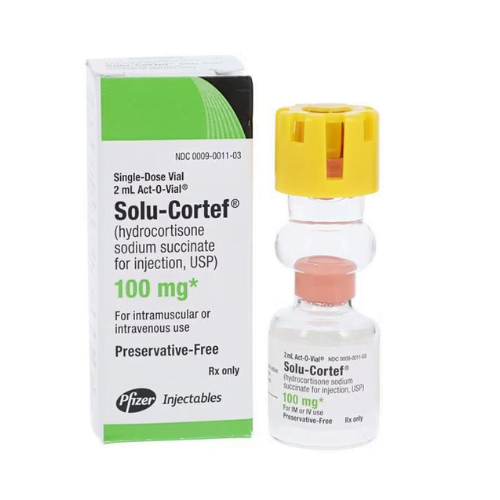
- Notes on emergency preparedness, including injection supplies where listed
- Common terms, causes, and symptom overviews in plain language
- Administrative details about prescriptions and pharmacy coordination
How to Choose
Choices can look similar at first glance, especially for new diagnoses. The best fit depends on the clinical plan and daily routines. When comparing listings, keep the focus on clarity and safety. Adrenal Insufficiency resources are most helpful when they match the diagnosis type. Primary, secondary, and tertiary forms can have different needs. Use the details shown on each page to stay organized.
Match the resource to the clinical situation
- Check whether a listing is for replacement therapy or education
- Note whether it mentions Addison's disease or another subtype
- Look for clear indications and any required prescription status
- Watch for terms like cortisol deficiency and mineralocorticoid support
- Confirm whether pediatric adrenal insufficiency is specifically addressed
Plan for day-to-day logistics
- Review whether storage, travel, or refrigeration is mentioned
- Look for reminders about medical identification and documentation
- Check whether refills and follow-up timing are discussed generally
- Prefer resources that explain terminology without oversimplifying it
- Keep a list of questions for monitoring and symptom changes
Some people compare pages based on convenience alone. It helps to also compare what is clearly explained. Better notes can prevent mix-ups at pickup or delivery.
Safety and Use Notes
Hormone replacement medicines can be high-impact treatments. They should be used only under clinician direction. Safety information may mention adrenal crisis, which is a medical emergency. This risk is why emergency planning is often discussed. Listings may also mention an emergency steroid injection option. These are typically for urgent situations, not routine use.
Why it matters: Clear emergency plans can reduce delays during rapidly worsening symptoms.
Common safety themes seen across reputable resources include these. They are meant for awareness, not self-treatment decisions. Clinical decisions, including suitability of prescriptions, are made by the evaluating clinician.
- Do not stop prescribed steroids abruptly unless a clinician directs it
- Review sick day rules with a clinician before illness occurs
- Ask how stress dosing steroids applies to surgeries or infections
- Know which symptoms may require urgent evaluation or emergency care
- Consider carrying written instructions for caregivers when appropriate
For guideline-level background, see the Endocrine Society clinical guidance on adrenal insufficiency. This can help interpret terms found in product notes. It can also explain why follow-up monitoring is commonly referenced.
Access and Prescription Requirements
Many items in this category require a prescription by law. Pharmacies may also require identity checks and prescription verification. Some supplies may be over-the-counter, depending on the product. Adrenal Insufficiency treatment often involves ongoing refills and documentation. That makes it helpful to keep current medication lists updated. When appropriate, prescriptions can be coordinated with partner pharmacies, depending on state rules.
Quick tip: Keep one saved place for medication names and prescriber details.
- Prescription-only items must be authorized by a licensed clinician
- Dispensing follows state and federal pharmacy regulations
- Some services support cash-pay access, often without insurance
- Availability can vary by location and pharmacy inventory policies
- Shipping or pickup options depend on the specific listing details
If a listing mentions documentation requirements, it usually reflects legal or safety checks. These steps help reduce errors with look-alike medications. They also support continuity when care teams change.
Related Resources
Some symptoms linked with low cortisol can feel non-specific at first. Stress, panic, and other conditions can overlap with palpitations or dizziness. For general education on similar sensations, see Stop Panic Attacks Tips. Chest discomfort also has many possible causes and urgency levels. For plain-language context, see Relieve Chest Pain Tips.
It can also help to browse other conditions that involve long-term enzyme or hormone support. The Exocrine Pancreatic Insufficiency collection offers a useful comparison of how chronic therapies are organized. Adrenal Insufficiency pages work best when used for planning and navigation. Bring questions from browsing into a clinician visit for personalized guidance.
This content is for informational purposes only and is not a substitute for professional medical advice.

Find suitable medication for Adrenal Insufficiency

Book a telehealth visit to discuss Adrenal Insufficiency
Find a doctor
Speciality
State

Video Visit
$69

Video Visit
$69

Video Visit
$69

Video Visit
$69

Video Visit
$69

Video Visit
$69

Speciality: Dermatology, Family Medicine, Men's Health, Urgent Care, Women's health
Speaks: English, Spanish, French, Arabic, Portuguese
Video Visit
$69

Video Visit
$69

Video Visit
$69

Video Visit
$69

Video Visit
$69

Video Visit
$69
Frequently Asked Questions
What does this category page include?
This category page groups resources related to adrenal insufficiency and common care needs. It may include prescription-focused listings, educational explanations, and administrative access notes. Some pages use terms like Addison’s disease, primary adrenal insufficiency, or secondary adrenal insufficiency. The goal is to make browsing clearer and reduce confusion about terminology. Final medical decisions, including diagnosis and treatment choice, must come from a licensed clinician.
Can telehealth be used for adrenal insufficiency care?
Telehealth can be a practical way to discuss symptoms, review medication lists, and plan follow-ups. It may also help with care coordination when records are available. However, some situations still require in-person evaluation or urgent care. Lab work, imaging, and physical exams cannot be fully replaced by video. On Medispress, video visits are conducted with U.S.-licensed clinicians in a HIPAA-secure app.
What is the difference between Addison's disease and secondary adrenal insufficiency?
Addison’s disease usually refers to primary adrenal insufficiency, where the adrenal glands cannot make enough hormones. Secondary adrenal insufficiency is often related to low ACTH signaling from the pituitary gland. Tertiary adrenal insufficiency can occur after steroid medicines are reduced or stopped, especially after prolonged use. These distinctions matter because they can affect what hormones are monitored and which replacement strategies are used. A clinician confirms the type based on clinical evaluation and medical history.
What should caregivers know about adrenal crisis?
Adrenal crisis is a medical emergency linked with severely low cortisol. Educational resources often emphasize planning for urgent situations and clear instructions. Caregivers may see references to emergency steroid injection options and written action plans. It is important to treat sudden severe symptoms as urgent and seek emergency care. Caregivers can also help by keeping medication lists current and ensuring medical identification is available. A clinician should provide individualized emergency guidance.
How do prescription requirements work for steroid replacement medicines?
Many steroid replacement medicines are prescription-only and require clinician authorization. Pharmacies may perform prescription verification and identity checks before dispensing. Refills are usually tied to a current prescription and appropriate follow-up. Some platforms support cash-pay access, which can be helpful for people without insurance. When clinically appropriate, prescriptions may be coordinated through partner pharmacies, and availability can vary by state regulations and pharmacy policies.