


Acid Reflux
Care Options for Acid Reflux
Acid Reflux can feel straightforward, yet the causes vary widely. This category page helps patients and caregivers compare common options. It also points to related condition collections and practical reading.
Many people start with heartburn relief basics and trigger tracking. Others need help sorting reflux from gastroesophageal reflux disease (GERD). Some symptoms show up at night, during pregnancy, or in infants.
Medispress visits happen by video with licensed U.S. clinicians.
Acid Reflux: What You’ll Find
This browse page brings together reflux-focused collections and educational content. It covers symptom patterns, common triggers, and ways clinicians evaluate ongoing complaints. It also helps with navigation between similar topics, like excess acid conditions.
For deeper browsing, related condition collections can add context. Some people compare reflux-like symptoms with Excess Stomach Acid concerns. Others may see overlap with Gastric Acid Hypersecretion discussions. When symptoms do not fit, clinicians may also consider unrelated causes found in Renal Tubular Acidosis resources.
This page also connects to reading that supports safer interpretation. For example, chest discomfort can be confusing when reflux is present. The Chest Pain Relief Tips guide reviews warning signs. If dizziness appears with shortness of breath, Dizziness Relief Methods can help frame next steps.
- Collections related to GERD and reflux-like conditions
- Guides on symptoms, triggers, and common questions for visits
- High-level explanations of tests like endoscopy and pH monitoring
- Administrative notes on prescriptions and verification where required
Quick tip: Keep a short log of meals, timing, and symptoms.
How to Choose
Reflux information can be easier to use when it is organized. Start by matching what is happening to the right topic area. Then compare what each resource helps clarify, before a clinical visit.
When Acid Reflux keeps returning, clinicians may look for patterns consistent with GERD. The Gastroesophageal Reflux Disease collection is helpful for that comparison. Some people also prefer a condition browse page labeled more plainly, like the GERD Collection.
Match symptoms to patterns
- Timing: after meals, when lying down, or during sleep
- Throat symptoms: hoarseness, chronic cough, or a lump sensation
- Possible laryngopharyngeal reflux (LPR) (throat reflux) features
- “Silent reflux” concerns, where heartburn is mild or absent
- Frequency and duration, including nighttime acid symptoms
- Associated issues: nausea, regurgitation, or sour taste
Review options and questions for a clinician
- What has already been tried, including OTC antacids for heartburn
- Whether symptoms suggest reflux vs other causes of chest discomfort
- Past diagnoses, such as hiatal hernia and reflux history
- Any history of anemia, bleeding, or unexplained weight loss
- Whether testing was discussed, like endoscopy or pH monitoring
- Medication list, including NSAIDs, supplements, and vitamins
For simple lifestyle changes discussions, Simple Reflux Tips can be a useful starting point. It can also help prepare questions about triggers and meal timing. Keep in mind that personal medical advice depends on clinical review.
Safety and Use Notes
For frequent Acid Reflux, it helps to know OTC limits and risks. Common OTC categories include antacids, H2 blockers, and proton pump inhibitors (PPIs). Each class works differently and has different cautions.
Neutral background from reputable sources can help with terminology. For plain-language GERD basics, see MedlinePlus GERD overview. For clinical framing of reflux symptoms, see ACG reflux overview.
- Antacids may help occasional symptoms but can affect other medicines
- H2 blockers reduce acid production and may interact with some drugs
- PPIs reduce acid more strongly and are not right for everyone
- Pregnancy and infant reflux need extra caution and tailored evaluation
- Long-lasting symptoms may raise concerns about Barrett’s esophagus risk
Why it matters: Chest pain can signal emergencies that need rapid evaluation.
Seek urgent or emergency care for severe chest pain, fainting, or trouble breathing. The same caution applies to black stools, vomiting blood, or new weakness. Progressive trouble swallowing or food sticking also needs timely evaluation.
Appointments run in a secure app designed for HIPAA privacy.
Symptoms can overlap with other serious conditions. If shortness of breath is a key feature, reading Pulmonary Hypertension Warning Signs may help clarify red flags. It is not a reflux guide, but it supports safer symptom interpretation.
Access and Prescription Requirements
Some Acid Reflux medicines require a prescription and clinical review. Others are available OTC, but still carry interaction and safety considerations. This collection supports navigation between these options without substituting for medical advice.
Many people use cash-pay options, often without insurance, for convenience. In some cases, a set-fee telehealth visit may be available for evaluation. A clinician decides what is clinically appropriate based on symptoms and history.
- Prescription verification is required for Rx-only treatments
- Dispensing is handled by licensed pharmacies when medications are provided
- State rules can affect what can be prescribed and where it is filled
- Having a current medication list reduces avoidable interaction risks
It helps to gather a few basics before scheduling. Include symptom timing, what worsens symptoms, and prior diagnoses like GERD. Include any prior testing, including endoscopy reports if available.
If appropriate, clinicians may coordinate prescriptions through partner pharmacies, consistent with state regulations.
Cash-pay access, often without insurance, may be an option depending on the visit. Availability can differ by medication type and location-based rules. Keep expectations flexible when a medication needs in-person testing first.
Related Resources
Reflux topics often connect to broader digestive and symptom questions. For browsing similar condition collections, review Gastroesophageal Reflux Disease alongside Excess Stomach Acid. For less common excess-acid discussions, Gastric Acid Hypersecretion may add context.
If symptoms include chest discomfort, the Chest Pain Relief Tips guide reviews safety signals. If dizziness is a key complaint, Dizziness Relief Methods can support clearer symptom descriptions. For practical trigger tracking ideas, Simple Reflux Tips is also available.
This content is for informational purposes only and is not a substitute for professional medical advice.

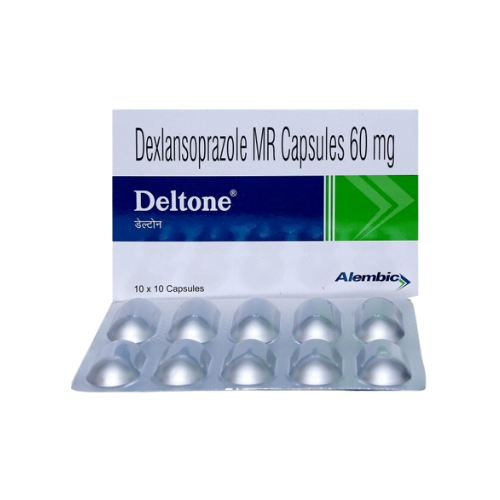
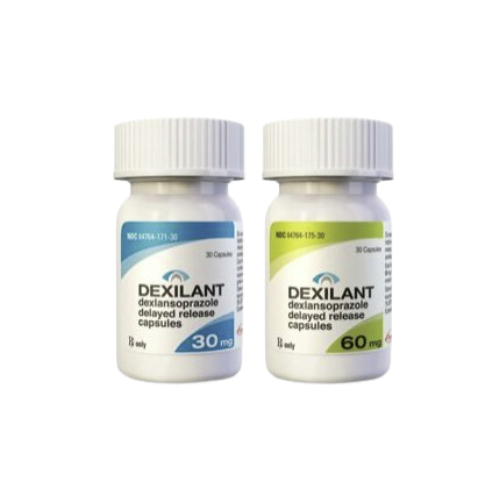
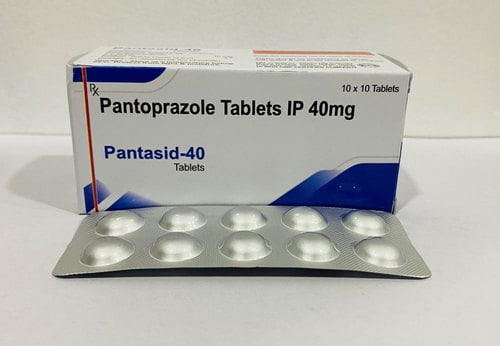
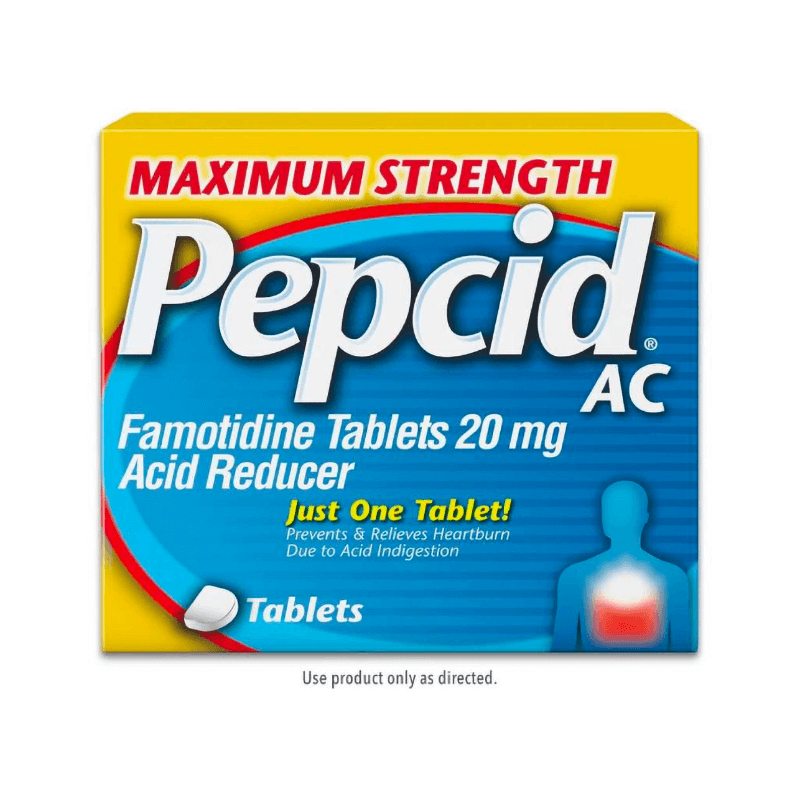
Find suitable medication for Acid Reflux


Book a telehealth visit to discuss Acid Reflux
Find a doctor
Speciality
State

Video Visit
$69

Video Visit
$69

Video Visit
$69

Video Visit
$69

Video Visit
$69

Video Visit
$69

Speciality: Dermatology, Family Medicine, Men's Health, Urgent Care, Women's health
Speaks: English, Spanish, French, Arabic, Portuguese
Video Visit
$69

Video Visit
$69

Video Visit
$69

Video Visit
$69

Video Visit
$69

Video Visit
$69
Frequently Asked Questions
What’s the difference between reflux and GERD?
Reflux describes stomach contents moving back into the esophagus. GERD means reflux that is frequent, persistent, or causes complications. Clinicians often use GERD when symptoms are ongoing, disruptive, or linked to inflammation. Some people have throat symptoms from laryngopharyngeal reflux (throat reflux) without strong heartburn. Because symptoms overlap with other problems, a diagnosis usually relies on history and, sometimes, testing.
What information helps a clinician review reflux symptoms?
A clear timeline helps. Note when symptoms happen, what they feel like, and how long they last. Include food timing, alcohol or caffeine intake, and whether symptoms worsen when lying down. List all medicines and supplements, including occasional NSAID use. Mention pregnancy, recent weight changes, and any trouble swallowing. If prior testing was done, such as endoscopy or pH monitoring, sharing results can prevent repeat work.
Are antacids, H2 blockers, and PPIs the same thing?
They are different medication classes. Antacids neutralize acid already in the stomach. H2 blockers reduce acid production through histamine receptors. Proton pump inhibitors (PPIs) reduce acid production through a different pathway. Each class has different cautions, interactions, and appropriate use cases. Labels and clinician guidance matter, especially with long-term symptoms, kidney issues, pregnancy, or multiple medications. A clinician can help match symptoms to the safest option.
When should I seek urgent care for chest pain or heartburn?
Get urgent or emergency care for chest pain that is severe, new, or feels pressure-like. The same applies if it comes with shortness of breath, sweating, fainting, arm or jaw pain, or sudden weakness. Reflux can mimic chest pain, but it cannot be safely sorted at home in risky cases. Also seek prompt care for vomiting blood, black stools, severe abdominal pain, or progressive trouble swallowing.
Can reflux be "silent" without classic heartburn?
Yes. Some people have reflux-related symptoms without typical burning pain. They may notice chronic cough, hoarseness, throat clearing, or a lump-in-throat sensation. This pattern is sometimes discussed as laryngopharyngeal reflux (throat reflux) or “silent reflux.” These symptoms also overlap with allergies, asthma, infections, and medication side effects. Because of that overlap, a clinician may ask detailed questions and consider other causes before labeling it reflux.