


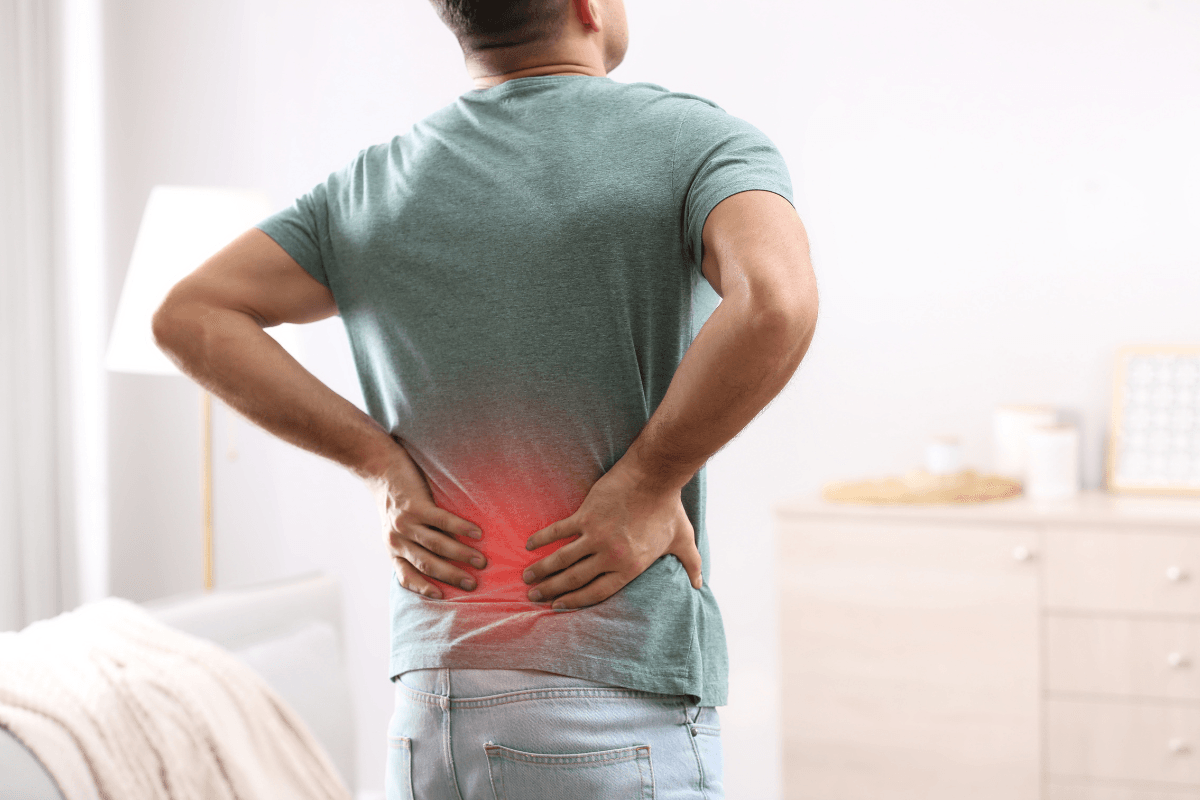

Back pain can show up after long sitting, a new workout, or a stressful week. It can also come “out of nowhere,” even when you did nothing unusual. If you’re looking for how to relieve back pain at home, it helps to think in steps: calm the irritated area, keep your body moving safely, and adjust the habits that keep re-triggering symptoms.
This article shares practical, low-risk ideas you can try at home. It also explains common causes, what “severe” can mean, and which signs deserve prompt medical attention.
Key Takeaways
- Match the strategy to the pain pattern and triggers.
- Gentle movement often beats prolonged bed rest.
- Heat, cold, and simple supports can ease flare-ups.
- Sleep setup and daily ergonomics affect recovery.
- Know red flags that should be checked quickly.
Medispress appointments are video visits through a HIPAA-compliant app.
How to Relieve Back Pain With a Home-First Plan
Most everyday back pain relates to muscles, joints, or irritated soft tissue. That’s often called “mechanical” back pain. It may feel worse with certain positions, better with gentle movement, and flare after lifting, bending, or sitting too long. A home-first plan focuses on reducing strain while your body settles.
Think in four phases you can cycle through as needed. First, “downshift” irritation with short, repeatable comfort measures. Next, keep light movement in your day to prevent stiffness. Then, rebuild support with basic strength and mobility work. Finally, adjust your environment so the same trigger doesn’t keep winning.
Quick tip: Aim for frequent, easy movement breaks rather than one big workout.
At-Home Relief Checklist
- Change position often to reduce stiffness.
- Try heat or cold for short periods.
- Take a short walk on level ground.
- Practice one gentle stretch, twice daily.
- Use lumbar support when sitting.
- Adjust sleep posture with pillows.
- Track triggers and what helps most.
If your symptoms relate to a broader pain condition, browsing the Pain And Inflammation hub can help you spot useful patterns and related topics.
Know What Type of Pain You Have
“Back pain” is a wide label. Location and sensations can narrow the possibilities. Lower back pain (lumbar pain) often links to muscle strain, joint irritation, or disc-related issues. Upper back pain may connect to posture, shoulder tension, or time at a desk. Some people feel pain mainly on one side, while others feel a broad ache across the beltline.
Pay attention to how it behaves. Pain that changes with movement or posture often points to mechanical causes. Pain that feels burning, electric, or shoots down a leg can suggest nerve irritation (sometimes called radicular pain, meaning pain traveling along a nerve). If you’re trying to decide how to relieve back pain at home, this “behavior” matters as much as the intensity.
Red Flags That Need Prompt Care
Some symptoms are less likely to be a simple strain. Consider urgent evaluation if back pain occurs with fever, unexplained weight loss, recent serious injury, or a history of cancer. New weakness, numbness in the groin area (saddle anesthesia), or loss of bladder or bowel control can be emergency signs. Also, pain that is mainly in the chest, jaw, or left arm is not typical “back pain.” For symptom context, see Chest Pain Tips And Remedies.
Why it matters: Early evaluation can prevent missed serious conditions and avoid unsafe self-treatment.
Back pain can also overlap with pelvic or abdominal issues. For example, some women notice low back aching around menstruation, pregnancy-related changes, or certain gynecologic conditions. If pain cycles with periods or comes with pelvic symptoms, it may be worth discussing alongside overall wellness topics in Women’s Health Wellness.
Movement That Often Helps During a Flare
When your back hurts, your body may try to “guard” by tensing up and staying still. That can backfire, especially after the first day or two, because stiffness builds and your support muscles get less input. For many people, the fastest path back to function is a gentle return to movement. If you’re exploring how to relieve back pain at home, start with low-effort options you can repeat daily.
Walking is a strong baseline because it’s rhythmic and easy to scale. A few short walks spread through the day can be more tolerable than one long walk. If you’re older or easing back into activity, you may like these Easy Daily Exercises Over 60 as a way to keep momentum without overdoing it.
Seven Low-Risk Exercises to Try
These are commonly used in physiotherapy-style home programs for mobility and core support. Move slowly and stop if symptoms sharply worsen. 1) Pelvic tilts: flatten and release the low back while lying down. 2) Knee-to-chest: one leg at a time, gentle hold. 3) Child’s pose: a relaxed stretch for the back line. 4) Cat-cow: slow spinal flexion and extension. 5) Bird-dog: opposite arm and leg reach, keeping hips steady. 6) Glute bridge: lift hips with controlled breathing. 7) Hip hinge practice: learn to bend at hips, not the spine, using a wall or chair for feedback.
If knee pain limits your ability to stay active, strengthening nearby joints can help you keep walking and moving comfortably. This can complement back care. See Knee Osteoarthritis Strength Exercises for ideas that may support overall mobility.
Heat, Cold, Topicals, and Simple Supports
Comfort measures don’t “fix” every cause, but they can reduce the signal enough to help you move normally again. Heat tends to relax tight muscles and improve the feeling of flexibility. Cold can numb painful areas and may reduce swelling after a sudden strain. Many people alternate them based on how the pain feels that day.
If you’re testing how to relieve back pain at home, treat heat and cold like short experiments. Use one method for a brief period, note how you feel an hour later, then decide whether to repeat. Topical products (like menthol-based rubs) may also provide temporary relief for muscle soreness. Evidence for “natural remedies” like certain herbal rubs or supplements is mixed, and they can still interact with other medicines, so it’s reasonable to be cautious.
| Option | When people often try it | Practical caution |
|---|---|---|
| Heat | Tight, stiff muscles | Avoid if it increases throbbing |
| Cold | Recent strain or sharp soreness | Protect skin with a thin barrier |
| Topicals | Localized muscle ache | Keep away from eyes and broken skin |
| Supportive pillow | Sleep-related pain | Use to maintain neutral alignment |
For more context on joint and soft-tissue health, you can browse the Bone And Joint Health category.
Medispress offers flat-fee telehealth visits with U.S.-licensed clinicians.
Sleep, Ergonomics, and Habits That Keep Pain Going
Nighttime can be the hardest part of a flare. If you wake up stiff or sore, the goal is usually a more neutral spine position, not a “perfect” one. Side sleepers often feel better with a pillow between the knees. Back sleepers may prefer support under the knees. Stomach sleeping can increase strain for some people, especially if the pelvis sinks into the mattress.
If you’re working on how to relieve back pain at home, don’t ignore your daytime setup. A chair with lumbar support, feet flat on the floor, and a screen near eye level reduces the tendency to hunch. For lifting, think “close, wide, and slow”: keep objects close to your body, widen your stance, and avoid twisting while carrying. Long-term routines matter too, including stress management and gradual fitness. For broader lifestyle structure, see Healthy Aging Tips, even if you’re not a senior, because many principles apply across ages.
Common Mistakes That Slow Progress
- All-day bed rest beyond early flare days
- One “hero workout” after resting too long
- Stretching aggressively into sharp pain
- Ignoring sleep posture and desk setup
- Repeated heavy lifting during a flare
Small changes tend to add up. You’re aiming for fewer spikes, not perfection.
Medication and Telehealth Questions to Bring Up
Search results often promise “instant” relief. In reality, fast changes usually come from lowering irritation and restoring comfortable movement, not a single miracle option. Over-the-counter pain relievers may help some people, but they’re not risk-free and aren’t right for everyone. The safest approach is to treat medication as one part of a broader plan, not the plan.
If you’re considering how to relieve back pain at home and symptoms are not improving, it may help to talk with a clinician about what’s appropriate for your health history. Topics to discuss include: whether your symptoms sound like muscle strain versus nerve pain, whether a topical product is reasonable, and which warning signs should change your plan. If a prescription is clinically appropriate, providers may coordinate options through partner pharmacies.
If you’re new to virtual care, Prescriptions Through Telehealth explains what these visits typically cover and how to prepare.
Authoritative Sources
- NIH MedlinePlus overview of back pain basics
- AAOS overview of low back pain
- NINDS low back pain information page
Further reading: If you’re exploring related self-care topics, the Pain And Inflammation hub and Bone And Joint Health category can help you go deeper.
This content is for informational purposes only and is not a substitute for professional medical advice.