


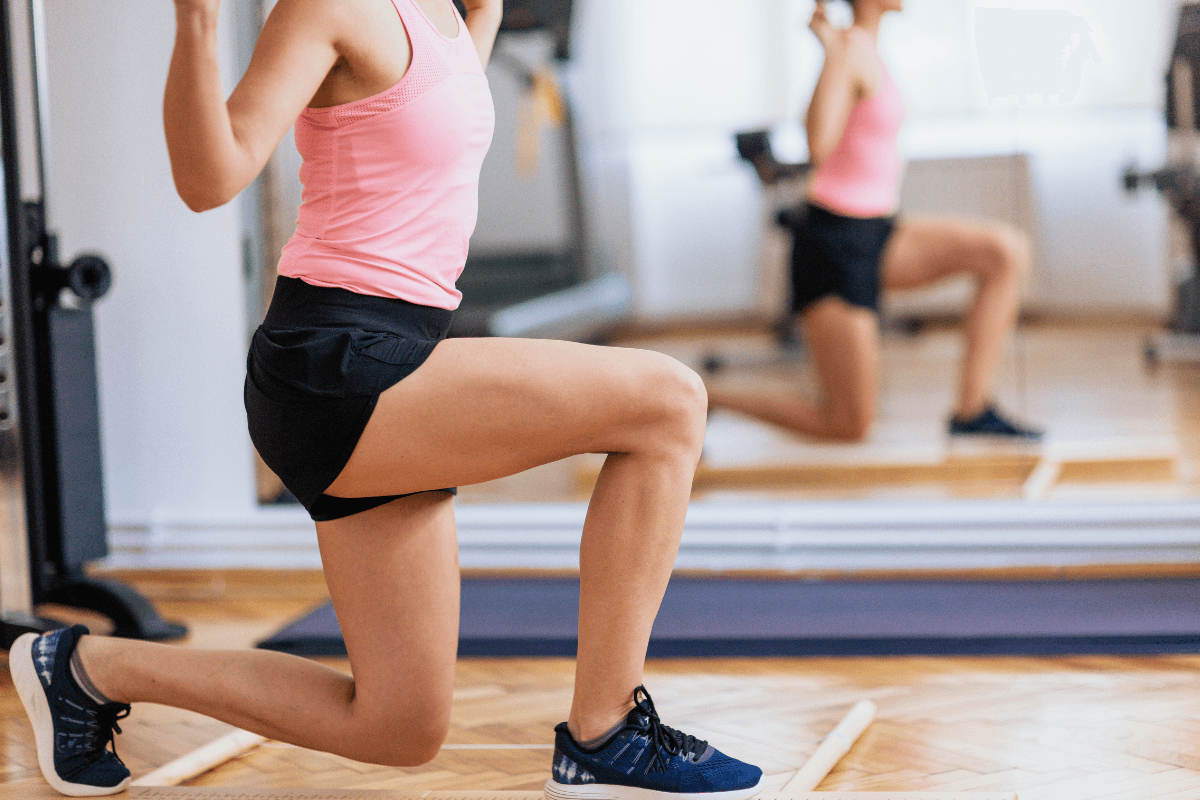


Exercises for knee osteoarthritis: strength moves that help usually build the muscles around the joint, improve balance, and keep movement comfortable without high impact. For most adults, the best routine is not one magic exercise. It is a mix of quadriceps, hamstring, glute, and calf work, plus gentle walking, cycling, or water activity as tolerated. This matters because knee osteoarthritis can make stairs, standing up, and longer walks harder, yet too little movement often leads to more stiffness, weakness, and fear of using the knee. The goal is steady support, not pushing through sharp pain.
Key Takeaways
- No single move works best for everyone with knee osteoarthritis.
- Strengthening the thighs and hips often matters as much as the knee itself.
- Supported, seated, and low-impact options can still be effective starting points.
- The biggest setback is usually doing too much too soon.
- Locking, major swelling, or sudden giving way should be assessed promptly.
Medispress visits happen by video in a secure HIPAA-compliant app.
Exercises for Knee Osteoarthritis: Strength Moves That Help Most
No single exercise is best for everyone. Sit-to-stand is often one of the most useful because it strengthens the front of the thighs and the hips while rehearsing a daily task. Straight leg raises, seated knee extensions, mini squats, step-ups, and supported balance work can also help when they match your pain level and starting strength.
Osteoarthritis is a joint condition that involves cartilage loss and other structural changes. Pain does not come only from cartilage. The joint lining, nearby bone, ligaments, and muscles can all affect how the knee feels. When the quadriceps, hamstrings, and glute muscles are weak, the knee has to absorb more stress on its own. Better muscle support may improve shock absorption, steadiness, and confidence during walking or stairs.
That is also why pain during exercise needs context. A knee with osteoarthritis can be sensitive without being damaged by every symptom increase. Many people do well when they stay in a tolerable range, use a slower tempo, and watch how the joint settles afterward. The best program builds trust in the leg again rather than training around it forever.
That is why strength work belongs beside symptom management. If you want more background on joint issues and pain patterns, the Bone & Joint Health and Pain & Inflammation hubs are useful places to browse.
Why it matters: Stronger hips and thighs can reduce the work the knee handles by itself.
What A Balanced Routine Usually Includes
A useful knee osteoarthritis routine usually has four parts: gentle range of motion, targeted strengthening, balance practice, and low-impact aerobic activity. This mix addresses stiffness, weakness, stability, and endurance at the same time. That matters because a knee may feel irritated for more than one reason. One person needs more hip strength. Another needs better confidence putting weight through the leg. Many need both.
| Routine part | Examples | Main purpose | Common modification |
|---|---|---|---|
| Range of motion | Heel slides, seated knee bends, gentle extension | Reduce stiffness and improve comfort with bending or straightening | Use a shorter arc or towel assist |
| Strength | Straight leg raise, seated knee extension, sit-to-stand | Support the joint during daily movement | Start seated or use a higher chair |
| Functional standing work | Mini squats, step-ups, calf raises | Build control for stairs and transfers | Hold a rail, wall, or counter |
| Aerobic work | Walking, cycling, water exercise | Improve endurance and overall joint tolerance | Choose shorter, flatter, or easier sessions |
Think of the routine as layers. Motion work helps you get the knee bending and straightening more comfortably. Strength work gives that motion control. Balance and aerobic work help you carry that control into real life, where surfaces, fatigue, and longer days test the joint in ways a single exercise never will.
The most effective plan is usually the one you can repeat with good control. A few simple moves done regularly often help more than a long routine that is too hard to maintain. If a standing move feels too aggressive, reduce the depth, hold on to a counter, or start seated. If a seated move feels easy later on, you can progress to more weight-bearing work that better matches daily tasks.
Range-of-motion work helps with stiffness. Strength work helps the knee tolerate stairs, getting up from a chair, and uneven ground. Balance drills reduce hesitation and may lower the risk of awkward missteps. Low-impact conditioning supports circulation, endurance, and overall joint tolerance.
Licensed U.S. clinicians make the medical decisions in each telehealth visit.
Strength Moves That Often Help Most
Exercises for knee osteoarthritis: strength moves that help are usually the ones you can perform with control, recover from well, and repeat consistently. The right choice depends on whether your main problem is stiffness, weakness, poor balance, or pain during weight-bearing.
Supported Moves For Painful Or Stiff Days
If standing hurts or your knee feels unsteady, start with supported work. Isometric (muscle-tightening without joint movement) quad sets, straight leg raises, and seated knee extensions let you train the front of the thigh without asking for a deep bend. Heel slides or gentle knee bends can help restore motion when the knee feels tight after sitting.
For example, a straight leg raise targets the quadriceps while the knee stays mostly straight. A seated knee extension asks the front of the thigh to work through a smaller arc. A quad set can be useful on days when bending itself feels irritating. These are simple moves, but simple does not mean weak. Early gains often start with better muscle activation, not dramatic movement.
These options are often useful early on because they help wake up the muscles before asking the joint to do harder jobs. Focus on smooth movement, steady breathing, and keeping the kneecap facing forward. If the knee becomes sharply painful, swells more, or feels much worse the next day, scale back the range, speed, or total volume.
Standing Moves That Translate To Daily Life
Once the knee tolerates a bit more load, standing exercises become more valuable. Sit-to-stand, mini squats, step-ups, calf raises, and supported single-leg balance mimic tasks you do every day. They also train the hips and trunk to share the load, which can make the knee feel less isolated during walking or stairs.
Sit-to-stand is especially useful because it mirrors how you rise from a chair, toilet, or car seat. Step-ups help rehearse curb and stair demands. Mini squats teach load-sharing through the hips. Supported balance work trains the smaller stabilizing muscles that keep a step from turning into an awkward twist.
Form usually matters more than depth. A smaller squat with steady control is often better than a deep squat that shifts the knees inward or triggers sharp discomfort. Hold a countertop or rail if needed. If you need help with pacing or setup, Telehealth Physical Therapy can help you think through form checks and recovery habits. For older adults who want gentler entry points, Easy Daily Exercises offers chair-friendly ideas that can complement knee-specific work.
Low-Impact Conditioning Adds Staying Power
Strength exercises work best when they sit inside a bigger movement plan. Walking, stationary cycling, and water exercise improve endurance and keep the joint moving through a comfortable range. Cycling is often easier during a flare because it is lower impact. Water exercise can help when land-based exercise feels too heavy. Walking is simple and functional, but hills, speed, or long sessions may need to be trimmed at first.
Quick tip: Judge a new move by how the knee feels later that day and the next morning.
How Strength Work Compares With Walking, Cycling, And Water Exercise
Strength training and low-impact cardio do different jobs, so most people with knee osteoarthritis benefit from both. Strength work builds the muscles that stabilize the leg. Aerobic activity helps you tolerate more daily movement and often reduces the sense of stiffness that comes with long periods of sitting.
People often ask whether walking alone is enough. It can be a great base, but it usually does not replace targeted strengthening if the thigh and hip muscles are weak. On the other hand, strength work without regular general movement may leave endurance lagging. That is why a blended plan tends to feel more complete.
If you have to choose during a flare, pick the option your knee tolerates best that day. Walking is easy to access, but fast pace, downhill routes, or long distances can irritate some knees. Cycling usually places less impact through the joint and can be a good bridge back to activity. Water exercise lowers joint loading the most, which is why many people use it when pain is limiting land exercise.
The best routine often rotates these options instead of treating them like rivals. A short walk on one day, cycling on another, and regular brief strength sessions across the week may be more sustainable than relying on one method. For more arthritis context beyond the knee alone, the Rheumatology hub is a helpful browsing point.
Common Mistakes That Can Make Knees Feel Worse
The number one mistake is usually doing too much too soon, especially after a flare or a long gap in activity. Knee osteoarthritis often responds better to gradual loading than big jumps in difficulty. Resting completely for days can also backfire because stiffness and muscle loss make the joint feel less supported when you restart.
- Sudden volume jumps can overload a knee that is not ready.
- Deep, painful bending may irritate the joint before strength catches up.
- Twisting or pivoting under load can feel worse than straight-line movement.
- Ignoring next-day swelling often means the previous session was too much.
- Skipping hip and balance work leaves the knee doing more than it should.
There is no universal banned-exercise list, but high-impact jumping, hard running, deep lunges, or aggressive twisting sports often need to be reduced when symptoms are active. The key is not fear. It is matching the exercise to the current state of the joint. Mild discomfort can happen. Sharp pain, locking, giving way, or clear worsening afterward is a sign to modify and reassess.
One tough session does not mean exercise is wrong for you. It usually means the dose, range, or timing needs adjustment. Many people do better when they shorten the session, use more support, or return to seated and low-impact work for a few days before progressing again.
How To Start At Home And When To Get Extra Help
A good home plan starts small enough that you can repeat it with confidence. Pick a few moves that target strength and motion, use support when needed, and increase only one thing at a time. That may be a little more depth, a little more time, or one additional exercise. Gradual progress is usually safer than chasing a hard workout.
- Warm up first with easy walking or gentle knee bends.
- Choose two to four exercises that you can do smoothly.
- Use a chair, wall, or counter for support if balance is limited.
- Keep the movement slow and stop short of sharp pain.
- Track swelling, stiffness, and confidence the next day.
- Progress only after the knee is tolerating the current plan well.
During a flare, think simplify rather than stop forever. Shorter sessions, smaller ranges, seated work, and easier cycling or water exercise can keep you moving while the knee settles. Then you can rebuild toward standing work again. This kind of reset is often more helpful than total rest.
If you cannot tell whether a move is helping, if your gait has changed, or if stairs remain very difficult, more guided rehab may help. When travel or mobility makes in-person care hard, this look at Telehealth Access shows why remote care can matter in underserved communities.
Prescription coordination, when appropriate, depends on state rules and partner pharmacies.
If body weight is part of the picture, load management may also help the knee feel less stressed over time. That does not replace strengthening, but it can support it. Our Weight Loss Habits piece reviews daily routines, and Ozempic Benefits explains how some treatments may fit into diabetes and weight-management care.
Seek prompt medical assessment if the knee locks, gives way suddenly, swells a lot, becomes red and hot, or pain follows a new injury. Rapid calf swelling, shortness of breath, or chest pain need urgent care. Those problems go beyond a routine exercise flare.
Authoritative Sources
- For an orthopedic home-program reference, AAOS Knee Conditioning Program.
- For public health activity guidance in arthritis, CDC Physical Activity and Arthritis.
- For a broad overview of osteoarthritis, MedlinePlus Osteoarthritis.
Exercises for knee osteoarthritis: strength moves that help are the ones you can do consistently, with good control, and without provoking lasting flares. A plan that blends strength, balance, motion, and low-impact activity is usually more useful than chasing one perfect exercise.
This content is for informational purposes only and is not a substitute for professional medical advice.