


Tennessee
Telehealth in Tennessee: Care Options and Visit Prep
This Tennessee Telehealth category page supports patients and caregivers who want clearer virtual care choices. It covers what telehealth can address, how video visits usually work, and what to expect. It also explains common limits, like emergencies and needs for in-person exams. People can compare options for short-term concerns and ongoing care planning. Many also use this page to understand prescription steps and refill rules.
Medispress connects patients with licensed U.S. clinicians for telehealth visits. Some visits can include prescription coordination when a clinician finds it appropriate. This directory also highlights educational reading, so decisions feel less confusing. Cash-pay access is available, often without insurance, depending on the service.
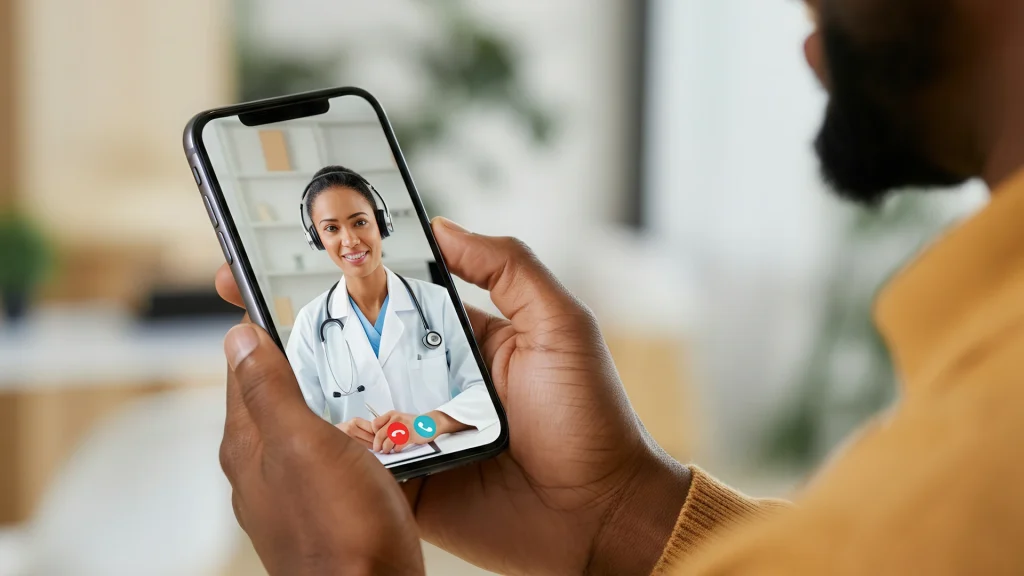
Visits happen by video through our secure, HIPAA-compliant app.
Tennessee Telehealth What You’ll Find
This collection brings together visit options and practical reading in one place. It helps people compare common telemedicine use cases and visit formats. Some visits focus on urgent, time-sensitive concerns. Others focus on longer-term support for chronic conditions and follow-up care.
The page also links to service details, so expectations stay realistic. For example, the Telehealth Appointment page explains the general flow of scheduling and completing a visit. For condition fit, What Telehealth Can Treat gives examples across acute and chronic needs.
Many listings describe what information matters most before starting. That can include symptom timing, current medications, or prior diagnoses. It may also include practical details like documentation needs and follow-up expectations. The goal is simple comparison, not self-diagnosis or self-treatment.
- Virtual care visit types and typical use cases
- Preparation checklists for smoother video visits
- Notes on prescription rules, verification, and pharmacy dispensing
- Privacy and safety basics for online healthcare
- Links to related telehealth reading across age groups
How to Choose
Choosing a telehealth option starts with clarity about the need. Tennessee Telehealth browsing works best when the goal stays specific. Some visits focus on new symptoms, while others focus on follow-up planning. It also helps to know what a clinician can assess by video alone.
Match the visit to the need
- Decide if the concern is urgent, routine, or follow-up care
- Note any “red flag” symptoms that require in-person evaluation
- Choose the right specialty when the concern is focused
- Check if photo uploads help, like for rashes or acne
- Plan extra time for mental health intake and history review
Why it matters: A current medication list helps avoid dangerous interactions and duplications.
Check practical details that affect the experience
- Confirm the visit format is video, not chat-only messaging
- Review what documentation might be needed for records
- Look for clear follow-up options, if symptoms change
- Know that some medications have tighter prescribing requirements
- Bring questions that improve understanding and next steps
For question ideas that stay organized, review Top Questions To Ask before the visit.
Clinicians on Medispress are licensed in the U.S. and provide care within their scope.
Using This Directory
This directory is built for quick comparison across services and topics. Tennessee Telehealth browsing goes faster when filters are used early. Start broad, then narrow to the most relevant visit type and concern area. This approach reduces repeat searching and missed details.
Listings often include what the visit covers, what details matter, and what happens after. Some needs still require an in-person exam or labs. Many people use the directory to learn those boundaries ahead of time. That helps reduce surprises during a video visit.
- Pick the care area and the visit type needed
- Scan for eligibility notes and visit requirements
- Review preparation guidance and needed documents
- Save key questions for the clinician to address
- Follow any follow-up steps shared in the visit summary
For visit readiness, use Prepare For Telehealth Appointment as a simple checklist. If tech issues worry anyone, Tech Troubles Tips covers common fixes.
Quick tip: Test camera, microphone, and lighting five minutes before check-in.
Access and Prescription Requirements
Telehealth visits can support both care advice and administrative needs. Tennessee Telehealth visits may also lead to prescriptions, when a clinician decides they fit. Medication rules can vary by drug type and by state requirements. Some treatments require in-person evaluation or ongoing monitoring.
Prescription referral platforms typically use prescription verification and licensed dispensing when required. That means pharmacies confirm the prescriber and the prescription details. Refills may require a follow-up visit, especially when symptoms change. Controlled medications often have added safeguards and tighter limits.
- Identity and medical history review before clinical decisions
- Medication list and allergy history to reduce safety risks
- Pharmacy selection and verification steps for dispensing
- Clear follow-up guidance when symptoms persist or worsen
- Cash-pay pathways, sometimes without insurance, when available
When appropriate, clinicians can coordinate prescriptions through partner pharmacies for dispensing.
For a plain-language overview, see HHS telehealth resources. For privacy basics, review HIPAA telehealth guidance from HHS.
For more detail on prescription workflows, read Prescriptions Online Through Telehealth. For scam awareness, Safe From Medical Scams explains common warning signs.
Related Resources
If Tennessee Telehealth is new to a family, start with general telemedicine reading. The Telehealth Category groups related topics by care need and visit type. Some guides focus on access barriers, including long drives and limited local options. Others focus on age-specific needs, like older adults and caregivers.
This content is for informational purposes only and is not a substitute for professional medical advice.
Find a doctor thats right for you
Find a doctor
Specialities
Location


Frequently Asked Questions
What can a virtual visit help with?
Virtual visits can help with many common concerns and follow-up needs. Examples include mild respiratory symptoms, seasonal allergies, skin issues like dermatitis (skin inflammation), and medication questions. Many people also use telehealth for mental health support and chronic condition check-ins. Some problems still need hands-on exams, imaging, or lab work. Emergencies, severe symptoms, and safety concerns should be handled in person.
How do I get ready for a video visit?
Preparation improves clarity and saves time during a video visit. Have a stable internet connection and a charged device. Choose a quiet, private space with good lighting. Gather a medication list, including doses and timing, plus allergies. Note symptom start dates and anything that makes symptoms better or worse. If a skin concern exists, take clear photos in natural light. Keep a pen ready for follow-up instructions.
Can telehealth visits include prescriptions?
A clinician may prescribe medication after a telehealth visit, when it is clinically appropriate. Prescribing also depends on state rules and the medication type. Some drugs have stricter requirements or limits, including controlled substances. Many platforms use prescription verification and licensed pharmacy dispensing where required. If a prescription is not appropriate by video alone, the clinician may recommend in-person evaluation or testing first.
What information might a clinician ask during a visit?
Clinicians often start with symptom details, timing, and severity. They may ask about past diagnoses, surgeries, and current conditions. A full medication list matters, including over-the-counter products and supplements. Allergy history is also important for safety. For mental health visits, they may ask about mood, sleep, and daily functioning. They may also ask about recent vitals, like temperature or blood pressure, if available.
What happens if in-person testing is needed?
Some concerns require labs, imaging, or a physical exam. In those cases, a telehealth clinician may suggest an in-person visit for evaluation. The next step can involve primary care, urgent care, or a local clinic, depending on the situation. Telehealth can still help by clarifying questions to bring to that visit. It can also support follow-up discussions after results are available.
How is privacy handled during telehealth visits?
Privacy depends on both the platform and the visit setting. Many telehealth services use secure, HIPAA-compliant systems for video visits and documentation. Patients can also protect privacy by using a private room and avoiding public Wi-Fi. Headphones can reduce overheard conversation. If a caregiver needs to join, clinicians can usually confirm consent first. When sharing photos or files, use the platform’s secure upload tools when available.