


Oklahoma
Oklahoma Telehealth Directory for Video Visits
This Oklahoma directory helps patients and caregivers compare virtual care options. It focuses on Oklahoma Telehealth choices, from routine needs to specialty support. Use it to understand visit formats, common limitations, and next steps. The links below also cover preparation, privacy, and prescription basics.
Start with our Telehealth Appointment page for visit flow details. Then browse the Telehealth Category for practical education and updates. Visits are with licensed U.S. clinicians.
Oklahoma Telehealth What You’ll Find
This browse page centers on video-based care and what it can cover. It helps explain which concerns may fit remote evaluation. It also highlights when in-person care matters more. That context supports safer, faster navigation through virtual options.
Expect plain-language explanations alongside clinical terms. For example, a rash may be reviewed through teledermatology (remote skin assessment). Ongoing conditions may involve chronic care follow-up and monitoring. For examples across common concerns, see What Telehealth Can Treat.
Profiles and guides often cover practical details beyond symptoms. That includes visit structure, documentation needs, and common next steps. The goal stays administrative and educational, not diagnostic.
- Common reasons people use video visits and what to expect
- Typical specialty areas, like mental health, skin, and nutrition
- Preparation tips for history, photos, and device setup
- General notes on prescriptions, labs, and follow-up planning
How to Choose
Choosing a virtual care option works best with a quick checklist. It helps to match needs with the right visit type. When comparing Oklahoma Telehealth options, focus on scope and documentation requirements.
Match the concern to the visit type
- Decide whether the issue is new, ongoing, or medication-related
- Look for clear boundaries on what the visit can address
- Plan to share key history, allergies, and current medications
- Check whether follow-up visits are available if needed
Plan for a smoother conversation
- Write down the main goal for the visit in one sentence
- Bring prior results, like labs, imaging summaries, or diagnoses
- Prepare questions about next steps and warning signs
- Ask how records or visit notes will be handled
Quick tip: Use our Prepare For Telehealth Appointment checklist before scheduling.
For conversation prompts that keep things efficient, review Top Questions To Ask. Clear questions can reduce repeat visits and confusion. They also help set realistic expectations about testing or referrals.
Using This Directory
This directory page supports browsing by care area and common needs. Filters and categories can help narrow choices quickly. Read each listing for what it does and does not cover. That reduces delays for concerns needing hands-on evaluation.
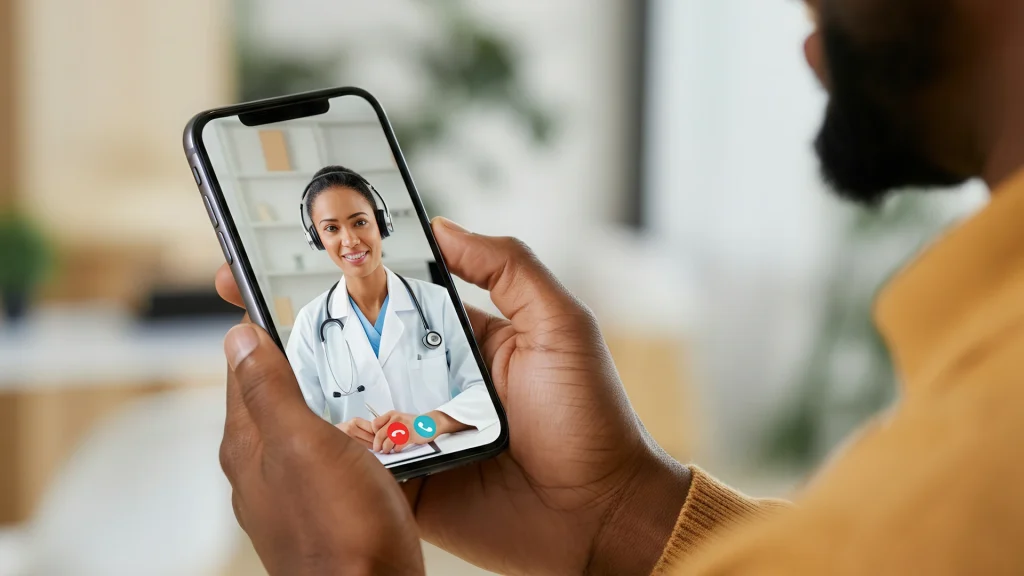
Visits happen by video in our HIPAA-compliant app. That format can work well for discussion-based care and visual checks. Some evaluations may still need local vitals, imaging, or labs. Listings may describe how those steps are coordinated.
- Scan for the visit purpose and any required documents
- Check whether photos are requested for skin or eye concerns
- Note age ranges for family care, pediatrics, or seniors
- Look for behavioral health scope, like therapy versus psychiatry
- Confirm how follow-ups and refills are handled across visits
Safety matters when browsing online health services. For red flags and verification tips, read Avoid Telehealth Scams. It explains warning signs like missing credentials or unclear policies. It also covers safer ways to share personal information.
Access and Prescription Requirements
Access rules can differ by condition and medication type. A clinician typically needs a documented evaluation before prescribing. For Oklahoma Telehealth visits, that evaluation happens during the video appointment. Some conditions may still require in-person exams or testing.
When appropriate, clinicians can coordinate prescriptions through partner pharmacies. Pharmacies may verify prescriptions and identity before dispensing. Some medications have added restrictions, including controlled substances. Documentation and monitoring needs may also apply for ongoing therapy.
- Have an up-to-date medication list, including over-the-counter products
- Expect questions about allergies, side effects, and past treatment response
- Plan for possible follow-up if symptoms change or worsen
- Ask how refills are handled and what requires a new visit
Why it matters: Prescription verification helps reduce errors and counterfeit medication risk.
Some services support cash-pay access, often without insurance. Availability can vary by medication and pharmacy policies. For a plain overview of how online prescribing can work, see Prescriptions Through Telehealth. For general telehealth basics, see the HHS telehealth overview. For pharmacy safety checks, review Safe Pharmacy from NABP.
Related Resources
Use the resources below to explore common care paths and expectations. They cover specialty areas and practical preparation topics. They also explain when virtual care may not be enough. Oklahoma Telehealth browsing works best with this context in mind.
For counseling and therapy over video, start with Telehealth For Mental Health. For skin concerns that benefit from photos and close-up detail, review Teledermatology Services. If comparing nearby regions, see Missouri And Oklahoma for navigation across state pages.
- Specialty care over video, including mental health and dermatology
- Administrative expectations, like documentation and follow-up planning
- Privacy basics and scam-avoidance when seeking online care
This content is for informational purposes only and is not a substitute for professional medical advice.
Find a doctor thats right for you
Find a doctor
Specialities
Location

Video Visit
$69

Speciality: Dermatology, Family Medicine, Men's Health, Urgent Care, Women's health
Speaks: English, Spanish, French, Arabic, Portuguese
Video Visit
$69
Frequently Asked Questions
What information should be ready before scheduling a video visit?
Have a short summary of the main concern and when it started. Keep a current medication list, including vitamins and over-the-counter items. Note allergies and past reactions to medicines. If relevant, gather recent lab results, diagnoses, or discharge paperwork. For skin concerns, take clear photos in good lighting. Also confirm device readiness, including camera, microphone, and internet stability. This prep helps the visit stay focused and reduces follow-up delays.
How do virtual visits handle prescriptions and pharmacy pickup?
A clinician may prescribe only after an appropriate medical evaluation. Some concerns can be managed without medication, using monitoring or self-care guidance. If a prescription is appropriate, it can be sent to a pharmacy for dispensing. Pharmacies may verify identity, check interactions, and confirm controlled-substance rules. Certain medications require added safeguards or in-person assessment. Policies can vary by medication type and local regulations, so it helps to read the visit details.
What kinds of concerns are not a good fit for telehealth?
Telehealth is not ideal for emergencies or rapidly worsening symptoms. Chest pain, severe shortness of breath, heavy bleeding, or signs of stroke need urgent in-person care. Injuries that may require imaging, splinting, or stitches often need a clinic. Severe allergic reactions also require emergency services. Some conditions require a hands-on exam to be safe. A good directory listing will state limits and advise when to seek local care.
How can I spot a fake online clinic or pharmacy?
Be cautious with services that skip a real medical evaluation. Avoid sites that promise prescriptions without a visit or clear credentials. Look for transparent contact information and privacy practices. A legitimate service explains how clinicians are licensed and how records are handled. For pharmacies, confirm proper licensing and verification steps. Also watch for pressure tactics or vague medical claims. Using established safety resources can help validate a pharmacy before sharing sensitive details.
Can telehealth be used for ongoing chronic care follow-ups?
Telehealth can support ongoing care for many long-term conditions, especially when the main needs are discussion, symptom review, and medication management. Clinicians may still require periodic vitals, labs, or in-person exams, depending on the condition. Follow-ups can help track side effects, adherence, and response to treatment plans. It also helps coordinate referrals and local testing when needed. The best fit depends on medical complexity and what data must be collected.