


Ohio
Telehealth and Online Care Options in Ohio
Ohio Telehealth can help patients and caregivers compare virtual care options in one place. This category page focuses on practical details like visit types, common specialties, and what to prepare. It also flags when an in-person visit may be a better fit. Visits with Medispress are handled by licensed U.S. clinicians.
Use this directory to understand how telemedicine works, what information providers may request, and how prescriptions get handled when appropriate. The goal is clarity, not guesswork. For a plain-language overview, see HHS telehealth basics for patients.
Ohio Telehealth What You’ll Find
This state directory gathers care options that are commonly delivered by video visit. Listings and resources often include care areas like primary care telehealth, mental health support, dermatology concerns, and ongoing condition follow-ups. Some concerns still require labs, imaging, or an exam in person.
Each listing typically highlights the visit format, the kind of concerns it covers, and what documentation may be needed. That may include current medication lists, recent vital signs, or prior diagnoses. If prescriptions are part of care, the pages also explain common safeguards.
- Visit type and typical next steps
- Scope of care by specialty
- Common forms and identity checks
- Prescription handling and pharmacy coordination notes
- Links to practical telehealth education
Quick tip: Confirm camera, audio, and lighting before scheduling a video visit.
How to Choose
Start by matching the service to the situation. Many people use Ohio Telehealth for convenient conversations and follow-up care, not emergency treatment. When symptoms feel severe or fast-changing, in-person urgent care may be safer.
Match the visit to the need
- Choose primary care for general symptoms and medication reviews.
- Choose behavioral health for anxiety, depression, or sleep concerns.
- Choose nutrition counseling for food planning and health goals.
- Choose pediatric services when a child needs age-specific care.
- Choose women’s or men’s health for preventive and symptom visits.
Check fit and follow-through
- Visit method: video visit versus messaging-only care.
- Age range: adult-only, pediatric, or family-friendly options.
- Documentation: past records, photos, or home readings if available.
- Continuity: whether follow-ups can stay with the same clinician.
- Accessibility: language support, interpreter options, and tech needs.
Clinical terms can appear in descriptions. Examples include hypertension (high blood pressure) or insomnia (trouble falling or staying asleep). Clear pages translate jargon into plain language. That makes it easier to set expectations before the visit.
Using This Directory
Filtering saves time. Most people start with the care area, then narrow by visit format and scheduling availability. Ohio Telehealth pages may also point to educational resources that explain what happens during a virtual visit.
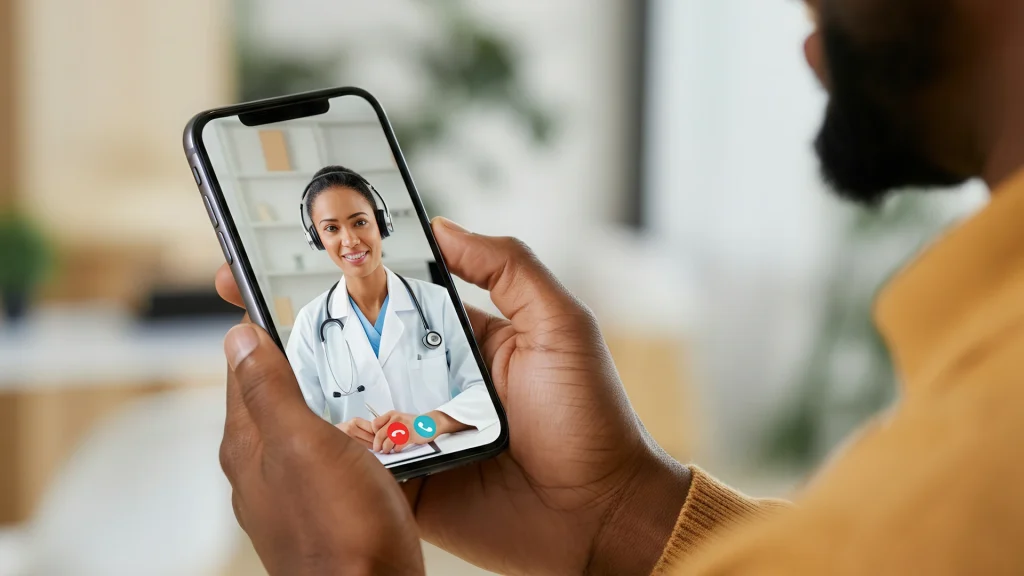
Medispress appointments are video visits inside a secure, HIPAA-compliant app. That matters when sensitive topics come up. It also helps keep messages and documents in one protected place.
- Visit type: The main format used for the appointment.
- Scope: What the clinician can address in a video setting.
- Limits: When an in-person exam, labs, or imaging is required.
- Follow-up: How rechecks, refills, or monitoring may work.
- Privacy: How the platform handles secure communication.
For visit planning, review Prepare For Telehealth Appointment and Tech Troubles Tips. For conversation flow, see Questions To Ask.
Access and Prescription Requirements
Access rules vary by condition, medication type, and clinical setting. A clinician may need identity verification, a current medication list, and relevant history before they can make a safe decision. Ohio Telehealth resources on this page focus on process and safety, not individual treatment choices.
If a prescription is clinically appropriate, Medispress clinicians can coordinate options through partner pharmacies. Pharmacies may also run standard verification checks before dispensing. These steps protect patients and reduce errors.
Why it matters: Licensed dispensing and prescription checks reduce counterfeit and inappropriate medication risks.
Some people use cash-pay options, often without insurance, when coverage is limited. Pages may note cash-pay pathways without promising eligibility. For pharmacy safety background, read FDA BeSafeRx guidance on online pharmacies.
Controlled substances and higher-risk medications can have tighter rules. Requirements may include extra screening, in-person evaluation, or limitations on prescribing. If a listing cannot support a specific medication need, it should say so clearly.
Related Resources
Use Ohio Telehealth alongside educational pages that explain common visit goals and boundaries. The Telehealth Category collects practical guidance across many topics. The Telehealth Appointment page explains what a video visit looks like on Medispress.
For prescription logistics, see Prescriptions Through Telehealth. For safety and fraud awareness, review Telehealth Scam Safety. If access barriers matter, Rural Areas Telehealth Benefits covers practical ways virtual care can help.
This directory also includes mental health and wellbeing education. For example, Telehealth For Anxiety discusses visit expectations and support options. These resources can help patients arrive prepared and informed.
This content is for informational purposes only and is not a substitute for professional medical advice.
Find a doctor thats right for you
Find a doctor
Specialities
Location

Video Visit
$69

Video Visit
$69

Speciality: Dermatology, Family Medicine, Men's Health, Urgent Care, Women's health
Speaks: English, Spanish, French, Arabic, Portuguese
Video Visit
$69
Frequently Asked Questions
What kinds of care are usually available by video visit?
Video visits often cover symptom reviews, medication discussions, and follow-up planning. Many services include primary care concerns, behavioral health check-ins, and some skin or allergy topics. Providers can also review home readings, like blood pressure logs, when available. Some needs still require in-person care, such as severe symptoms, injuries needing an exam, or situations needing lab tests or imaging. Each listing should describe its scope and limits clearly.
How do I know whether a listing is a good fit?
Start with the care area and the visit format offered. Then check age range, documentation needs, and follow-up options. Look for clear notes about what the service can and cannot address by video. It also helps to confirm privacy practices and the platform used for the appointment. If prescriptions may be involved, review any stated verification steps and pharmacy coordination notes. Good listings reduce surprises before the visit begins.
Can prescriptions be handled through telehealth?
In some cases, a clinician may decide a prescription is appropriate after an evaluation. That decision depends on the condition, the medication, and safety considerations. Some medications have stricter rules and may require in-person care or added screening. When prescriptions are used, pharmacies often perform standard verification checks before dispensing. Patients should rely on the clinician’s judgment and the pharmacy’s safeguards, not informal online recommendations.
What should I prepare before scheduling a video appointment?
Gather a current medication list, including over-the-counter products and supplements. Note key medical history items and any recent measurements, like temperature or blood pressure, if available. Plan a quiet, private space with good lighting and reliable internet. Test camera and microphone settings ahead of time. If the concern involves a skin issue, having clear photos ready can help the clinician understand the problem during the visit.
How is privacy handled in telehealth platforms?
Privacy depends on the tools used and how the visit is conducted. Many healthcare platforms use HIPAA-compliant systems to protect health information during video calls and messaging. Listings may note whether visits happen in a secure app or through general-purpose video tools. Patients should also protect privacy on their end by choosing a private space and avoiding public Wi-Fi when possible. Clear privacy policies are a good sign of a well-run service.