


North Dakota
Telehealth and Online Care in North Dakota
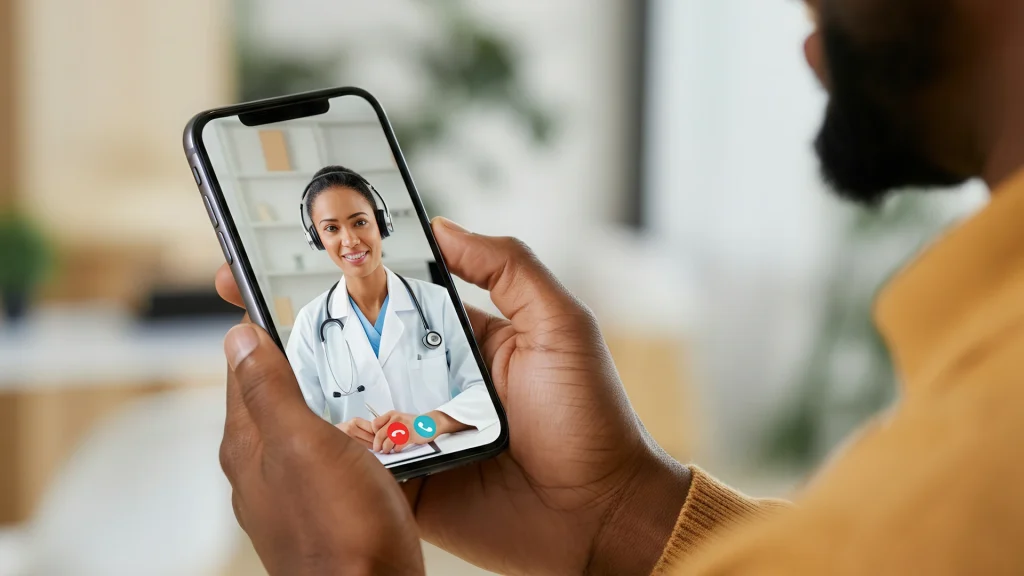
North Dakota Telehealth can support day-to-day care needs when travel is hard. This category page helps patients and caregivers compare virtual visit options and resources.
Browse common visit types, typical specialties, and how virtual care usually works. Find practical guidance for preparing for video visits and organizing medical details.
Medispress visits are delivered by licensed U.S. clinicians.
This directory focuses on access details and reliable education, not medical advice. It can help with planning, expectations, and next-step questions.
North Dakota Telehealth What You’ll Find
This page brings together service options and reading that explain virtual care clearly. It also highlights what people often compare across telemedicine choices.
For example, some visits focus on primary care follow-ups or symptom check-ins. Others focus on mental health counseling, skin concerns, or chronic condition support.
Some visitors start by reviewing how a visit works on Medispress. The Telehealth Appointment page covers the basic flow and expectations.
Many people also want to understand scope limits before scheduling. Telehealth can be convenient, but it is not right for every situation.
- Navigation to telehealth services and scheduling information
- Examples of common care areas people use video visits for
- Practical visit-prep guidance and documentation checklists
- Administrative notes on prescriptions, refills, and pharmacy steps
- Links to related learning pages for deeper context
How to Choose
Different virtual care options can look similar at first glance. A few practical checks can help narrow the list.
When browsing North Dakota Telehealth options, focus on fit and clarity. Look for plain descriptions of what the visit covers.
Start with the reason for the visit
- Match the visit to the concern, such as acute symptoms or follow-up care
- Check whether the service is designed for ongoing care or one-time needs
- Look for mental health versus medical care, when both are listed
- Note whether lab work or an in-person exam may be required
Plan for information and follow-up
- Confirm the visit format, including video requirements and device needs
- Review how documentation is handled, such as notes and care summaries
- Consider follow-up options for chronic conditions and medication monitoring
- Check policies for missed appointments and rescheduling windows
Quick tip: Keep a current medication list and pharmacy name ready.
Using This Directory
This directory is meant for quick comparison and easier decision-making. It supports browsing across care topics without guessing what each option means.
North Dakota Telehealth listings and resources often use a few common terms. “Triage” (sorting by urgency) describes how symptoms get prioritized. “Asynchronous” (store-and-forward messaging) can describe forms or photo review.
Appointments happen by video in our HIPAA-compliant Medispress app.
Some categories reflect who the visit is for, such as pediatrics or women’s health. Others reflect a specialty, such as behavioral health or dermatology. If a topic overlaps, use the description to confirm the scope.
- Visit type labels, such as urgent care-style visits versus planned follow-ups
- Common specialty tags, including therapy, psychiatry, and primary care
- Visit requirements, such as photos, records, or questionnaires
- Notes on what happens next, including referrals or in-person escalation
For federal telehealth basics, review the HHS telehealth overview.
Access and Prescription Requirements
Telehealth access can differ by state rules and clinician judgment. North Dakota Telehealth services may also differ by condition, age, or medication type.
Some visits may result in a prescription when it is clinically appropriate. When prescriptions are involved, licensed pharmacies verify prescriptions before dispensing. This helps reduce errors and protects patient safety.
When clinically appropriate, clinicians can send prescriptions through partner pharmacies.
Refill requests usually work best with clear documentation. That can include a medication name, current directions, and last fill details. Some medications require extra safeguards, especially controlled substances. In those cases, a clinician may require an in-person exam or additional records.
For step-by-step context, see Prescriptions Through Telehealth. For pharmacy safety basics, see NABP guidance on safe pharmacy use.
Access can also be cash-pay, often without insurance, depending on the service. Always confirm what documentation is needed before a visit starts.
Why it matters: Complete medication details reduce delays during prescription verification.
Related Resources
If North Dakota Telehealth is new, start with the basics and build confidence. The Telehealth Category page collects broader topics, including common use cases.
For visit planning, review Prepare For Telehealth Appointment and Questions To Ask During Visit. For tech support, see Tech Troubles Tips.
Many families also want context on rural access and care continuity. The guide on Rural Areas Benefits explains common advantages and limits.
If browsing other locations helps compare options, explore South Dakota and North Carolina.
This content is for informational purposes only and is not a substitute for professional medical advice.
Find a doctor thats right for you
Find a doctor
Specialities
Location

Video Visit
$69
Frequently Asked Questions
What types of concerns are a good fit for telehealth?
Telehealth often fits non-emergency needs that can be discussed by video. Examples include follow-ups, medication questions, minor skin concerns, and lifestyle counseling. Mental health visits, like therapy sessions, also commonly work well remotely. Some concerns still need hands-on exams, imaging, or lab testing. A directory can help set expectations, but it cannot replace clinician judgment. If symptoms feel severe or rapidly worsening, in-person care matters more.
How do video visits differ from in-person care?
Video visits focus on conversation, visual assessment, and shared decision-making. Clinicians may review symptoms, medical history, and any photos or home readings provided. They cannot perform a physical exam the same way as a clinic. That limits what can be evaluated safely in one visit. Many services include guidance on next steps, like follow-up plans or referrals. Video visits also depend on device, lighting, and a stable connection.
What should I have ready before a telehealth appointment?
Before scheduling, it helps to gather practical details. Have a current medication list, allergies, and past diagnoses available. If relevant, note recent vital signs or home readings, like blood pressure. Keep pharmacy details handy for prescription routing. Plan a quiet, well-lit space and test camera and audio. If photos are needed, take them in good light and avoid filters. These steps reduce delays and improve communication during the visit.
How do prescription refills work with virtual care?
Refills depend on the medication, the reason for use, and available records. Clinicians may request the medication name, strength, directions, and last fill date. Some medications require closer monitoring or in-person evaluation. Controlled substances may have additional legal and clinical requirements. If a prescription is issued, a licensed pharmacy typically verifies the prescription details before dispensing. A directory can explain the process, but it cannot guarantee a refill outcome.
When is telehealth not appropriate?
Telehealth is not meant for emergencies or life-threatening symptoms. Examples include chest pain, severe breathing trouble, stroke-like symptoms, or severe bleeding. Mental health emergencies also need immediate, in-person support. In these situations, emergency services and local emergency care are the right choice. Telehealth also may not fit problems that require a hands-on exam right away. Many platforms provide guidance on escalation, but urgent safety needs come first.