


New Jersey
Telehealth and Online Care Options in New Jersey
This New Jersey Telehealth directory helps patients and caregivers compare virtual care options. It focuses on practical details that shape access and fit. Examples include visit types, common specialty areas, and what happens after a visit. It also highlights helpful reading across the Medispress site for planning and follow-up.
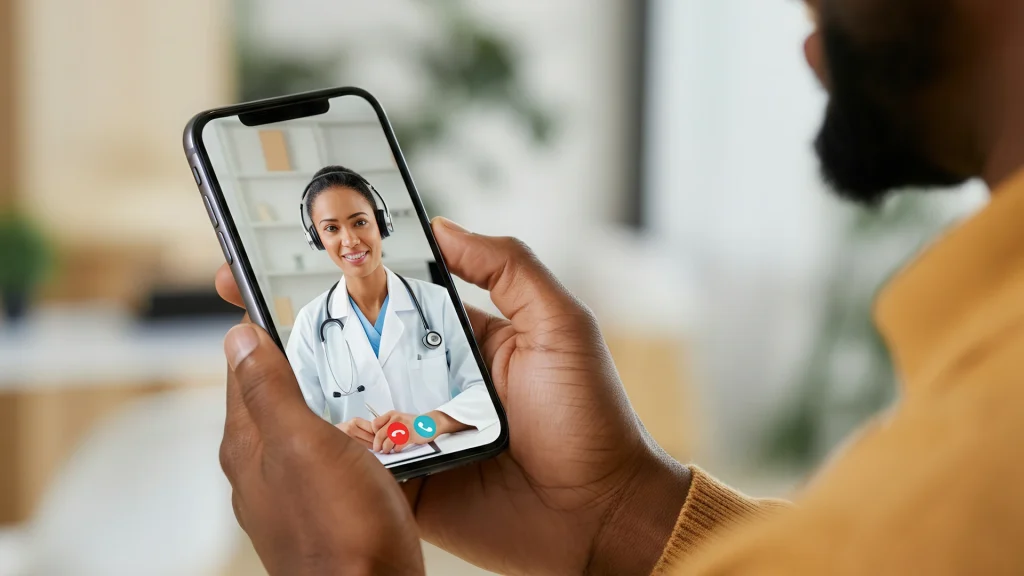
Medispress visits happen by video inside a HIPAA-compliant mobile app. Some needs still require in-person exams or urgent evaluation. If symptoms feel severe or fast-worsening, emergency care may be safer.
Quick tip: Keep a current medication list and pharmacy details in one note.
New Jersey Telehealth What You’ll Find
This directory page brings together virtual care options that people commonly look for in a state listing. It supports browsing by care type, not just by condition names. That matters when a concern could fit more than one service line. For example, a sore throat may relate to urgent care, primary care, or follow-up care.
Listings and linked resources often describe how visits work, what information matters, and what follow-up can look like. That may include documentation needs, message workflows, and the role of photos for skin concerns. It can also clarify when a video visit may not be appropriate, like severe shortness of breath or chest pain.
New Jersey Telehealth can also help with non-emergency administration needs. Common examples include visit notes for work or school, medication history review, and general health counseling. Availability and scope can vary by clinician and by clinical appropriateness.
- Virtual visit types, like urgent care and ongoing primary care
- Common specialty areas, like dermatology, mental health, and women’s health
- Administrative details, like visit format, documentation, and next steps
- Links to related education for prevention and self-management support
How to Choose
Start with the main reason for the visit and the level of urgency. Then match that need to the right kind of clinician and follow-up plan. The goal is a visit that fits the concern and the expected next steps.
Match the service to the situation
- Use urgent care telehealth for time-sensitive, non-emergency symptoms.
- Use primary care telehealth for ongoing conditions and care planning.
- Consider dermatology telehealth when photos can support evaluation.
- Consider mental health visits for therapy or medication management discussions.
- Choose pediatrics-focused care for children’s symptoms and parent questions.
- Look for women’s health services for contraception counseling and symptom reviews.
Licensed U.S. clinicians review history and decide next steps. That may include self-care guidance, monitoring, or referral for in-person evaluation. It may also include discussing tests that need a local facility.
Check practical fit before booking
- Confirm the visit is video-based and fits the patient’s setup.
- Review what the visit covers versus what needs in-person exams.
- Check if photo upload is available for skin or visible symptoms.
- Note language preferences, including Spanish-language availability when listed.
- Look for follow-up options if symptoms do not improve.
- Verify what documentation may be provided after the visit.
Why it matters: A good match can reduce repeat visits and delays.
Using This Directory
This page works best as a comparison tool, not a one-size answer key. Browse by care category and then open details that explain visit scope. Use the linked educational pages to learn terms that show up often in listings.
New Jersey Telehealth listings may describe service scope in general language. When a listing mentions “evaluation,” it usually means reviewing symptoms and history. When it mentions “management,” it often means ongoing follow-up for chronic conditions. A term like hypertension (high blood pressure) may appear under primary care or chronic care.
- Visit type: urgent care, primary care, mental health, or specialty visits
- Format: video visit expectations, plus any photo upload steps
- Eligibility notes: age ranges, common exclusions, and visit limits
- After-visit items: visit summary, work notes, or follow-up guidance
- Prescription notes: whether prescribing is possible when clinically appropriate
Use the directory to narrow choices, then confirm details during scheduling. For help understanding how visits run on the platform, see Telehealth Appointment.
Access and Prescription Requirements
Telemedicine visits follow clinical and legal requirements. A clinician may need identity details and relevant medical history before making decisions. Some concerns require an in-person exam, imaging, or labs. In those cases, a video visit may still help with triage and next steps.
New Jersey Telehealth visits may include prescription discussions, but results vary by case. If a prescription is appropriate, dispensing typically occurs through licensed pharmacies with standard verification. Patients may see options that support cash-pay access, often without insurance, depending on the service and medication rules.
When clinically appropriate, clinicians can route prescriptions to partner pharmacies. Some medications have extra safeguards and tighter rules. Controlled substances, for example, can carry additional federal and state restrictions. Refills also depend on clinical review and prior records.
For guidance on online pharmacy safety basics, see FDA BeSafeRx information. For privacy expectations in healthcare, see HHS HIPAA guidance for individuals.
Related Resources
For broader browsing, open the Telehealth Topics collection and the Health News category page. For practical planning, the Telehealth For Seniors page covers common access barriers. New Jersey Telehealth also pairs well with lifestyle support resources, like Virtual Nutrition Counseling and Telehealth For Diabetes Care. For behavior change support, review Quit Smoking With Telehealth.
If comparing nearby directories helps, browse New York or New Hampshire for navigation consistency. If New Jersey Telehealth is new to a caregiver team, consider saving key links for later reference.
This content is for informational purposes only and is not a substitute for professional medical advice.
Find a doctor thats right for you
Find a doctor
Specialities
Location

Video Visit
$69
Frequently Asked Questions
How do video visits work on Medispress?
Medispress appointments take place by video, not in-person. Patients schedule and join visits through a secure, HIPAA-compliant app. The clinician reviews symptoms, history, and any relevant photos or documents. The visit may end with a care plan, a follow-up recommendation, or a referral for in-person evaluation. If prescribing is clinically appropriate, the clinician may coordinate prescription options through partner pharmacies.
What information should be ready for a virtual appointment?
Having a few details ready can make the visit smoother. Patients can gather a current medication list, allergy history, and a brief timeline of symptoms. If a skin concern is part of the visit, clear photos taken in good light often help. It also helps to note prior diagnoses and recent test results, if available. For site actions, patients can confirm camera, audio, and a stable connection before joining.
Can a clinician send a prescription after a telehealth visit?
A prescription is not guaranteed after any visit. Clinicians base decisions on symptoms, medical history, and safety requirements. Some conditions may need an in-person exam, labs, or imaging first. When prescribing is appropriate, clinicians may send a prescription to a pharmacy option available through partner coordination. Certain medications, including controlled substances, can face stricter rules and may require additional steps or in-person care.
How are prescriptions verified and dispensed?
When a prescription is issued, licensed pharmacies typically verify and dispense medications using standard safety checks. This can include confirming patient identity, reviewing drug interactions, and checking for duplicate therapy. Pharmacy teams may contact the prescriber if questions come up. Patients should keep allergy and medication lists current in their account records. For safety education, FDA BeSafeRx offers general guidance on choosing legitimate online pharmacy sources.
What does cash-pay mean if insurance is not used?
Cash-pay usually means a patient pays directly rather than billing an insurance plan. Some people prefer this option when coverage is limited or not available. The exact total can vary based on the service and any prescription costs at the pharmacy. Patients can often request documentation for personal records, and some may submit receipts to an insurer independently. Coverage rules and reimbursement decisions depend on each plan’s policies.
When is in-person care a better option than telehealth?
Telehealth works well for many non-emergency concerns, but it has limits. In-person care may be better when symptoms need a hands-on exam, same-day testing, or procedures. Emergency care is critical for severe chest pain, trouble breathing, sudden weakness on one side, confusion, fainting, or uncontrolled bleeding. For life-threatening symptoms, call 911 or seek emergency services. For non-urgent needs, virtual visits can still help with triage and planning.