


Louisiana
Online Telehealth Care in Louisiana
Finding virtual care can feel confusing when details vary by service. This Louisiana browse page helps patients and caregivers compare common options. Louisiana Telehealth visits may be used for everyday concerns and ongoing care needs. It also helps set expectations for video visits, prescriptions, and follow-up steps.
Browse the Telehealth Category for practical reading and care topics. Use this page to understand typical visit flow and common limits. Some needs still require urgent, in-person evaluation.
Medispress visits are handled by licensed U.S. clinicians.
Louisiana Telehealth What You’ll Find
This directory brings together telehealth service entry points and related education. It is built for quick comparisons, not medical decision-making. Expect clear explanations of how virtual visits usually work, plus condition-focused guides that help set context.
Many people start by checking whether a concern is a good fit for video care. Others want to understand how documentation, prescriptions, or next steps typically work. If planning a visit, the Telehealth Appointment Service page explains the basic workflow.
For examples of common use cases, see What Telehealth Can Treat. You will also find guidance on what information helps clinicians assess symptoms safely. That includes timelines, severity, and what has already been tried.
- Video-visit basics and what to expect during a remote evaluation
- Care areas often supported through virtual visits, by topic
- Administrative guidance on prescriptions, records, and follow-up
- Technology readiness tips for smoother visits and clearer communication
How to Choose
Choosing a virtual care option works best with a simple checklist. Louisiana Telehealth offerings can differ by scope, visit type, and documentation. Focus on fit for the concern and clarity about next steps.
Start with visit purpose and urgency. Then confirm what the service can document or coordinate. If questions come up during a visit, it helps to prepare them in advance.
Quick tip: Write down two goals and three questions before the video call.
Match the visit type to the situation
- Urgency: new severe symptoms may need emergency or in-person care
- Complexity: multiple conditions may need a longer, primary care visit
- Care area: mental health visits may involve therapy or medication review
- Continuity: ongoing care often needs follow-up planning and records
Check practical details that affect the experience
- Video requirements: camera, microphone, and stable internet connection
- Documentation: after-visit notes and any work or school letters
- History review: ability to share medication lists, allergies, and labs
- Caregiver support: joining the call when appropriate and consented
Use Prepare For Telehealth to organize information ahead of time. The Questions To Ask guide can help with structured, clear communication. If tech is a worry, review Tech Troubles Tips before scheduling.
Using This Directory
This page works best as a navigation tool. Use it to move between service information and condition-focused reading. Save a few relevant pages, then compare details side by side.
When reviewing Louisiana Telehealth options, look for plain-language explanations of scope. Pay attention to what the visit does and does not cover. That clarity helps avoid surprise referrals or missing documentation needs.
- Visit format: Some services use video only, while others may differ
- Who it is for: adult care, pediatrics, or caregiver-supported visits
- What can be addressed: acute symptoms, chronic check-ins, or counseling
- What happens next: follow-up guidance, records, and pharmacy coordination
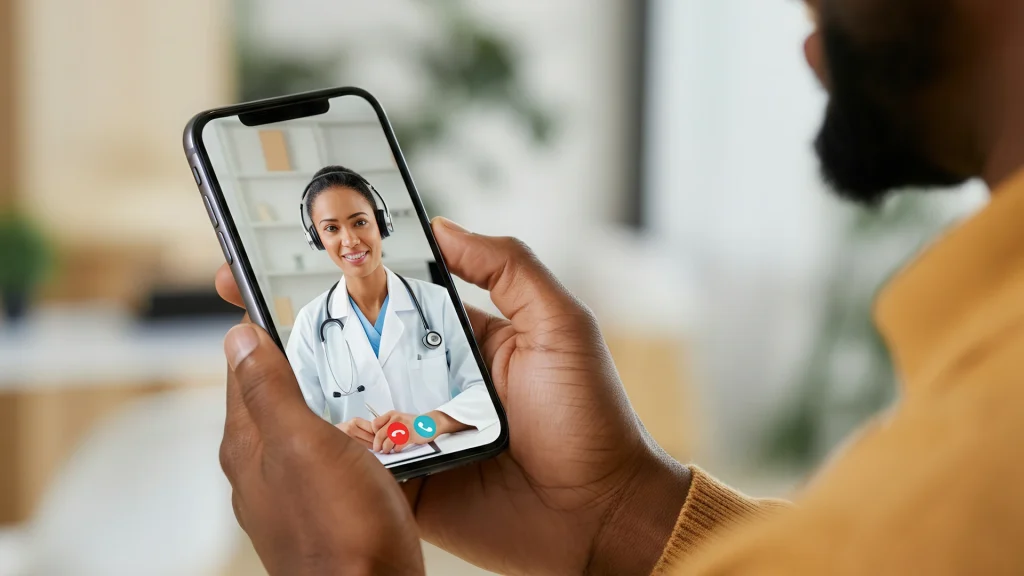
Visits happen by video in our HIPAA-compliant app.
Some topics have extra considerations for age and consent. For family needs, see Pediatric Telehealth Basics. For older adults and caregivers, Telehealth For Seniors covers accessibility and planning.
Access and Prescription Requirements
Access rules can vary by state and by medication type. A clinician still needs a medical reason and appropriate evaluation before prescribing. Some medications have additional safeguards, especially controlled substances.
Louisiana Telehealth visits can support prescription coordination when clinically appropriate. Partner pharmacies may be used for dispensing and required verification. For background on prescribing rules, see Prescriptions Through Telehealth.
Why it matters: A current medication list helps reduce avoidable interaction risks.
- Keep a list of medications, supplements, and allergies ready to share
- Have pharmacy details available, if a prescription is appropriate
- Expect identity and clinical verification steps where required by law
- Plan for follow-up if symptoms change or do not improve
Some people use cash-pay telehealth options, often without insurance. Documentation needs still apply, regardless of payment method. If a service describes a simple visit fee, confirm what it covers.
For definitions and patient tips, see the HHS telehealth site. For federal context on telemedicine prescribing, review DEA telemedicine FAQs when questions arise.
When appropriate, clinicians can route prescriptions to partner pharmacies.
Related Resources
Use these resources to go deeper on planning, access, and expectations. Louisiana Telehealth also connects to broader virtual-care topics that apply across settings. For access considerations outside major cities, Telehealth In Rural Areas explains common benefits and limits.
- Revisit the Telehealth Category to browse topics by interest
- Use the Telehealth Appointment Service page for the basic visit flow
- Keep Tech Troubles Tips handy for device and connection issues
- Share Questions To Ask with caregivers joining the call
This content is for informational purposes only and is not a substitute for professional medical advice.
Find a doctor thats right for you
Find a doctor
Specialities
Location

Video Visit
$69

Video Visit
$69
Frequently Asked Questions
What is telehealth, and how does it work?
Telehealth is healthcare delivered through secure audio-video technology. A clinician reviews symptoms, history, and any available records. The visit usually happens by scheduled video call. After the visit, the clinician may provide guidance, documentation, or follow-up steps. If needed, they may recommend in-person care. Rules can vary by state, so services often confirm location and identity.
What can a telehealth visit help with?
Telehealth may help with many non-emergency concerns. Common examples include minor infections, skin rashes, allergy symptoms, and chronic condition check-ins. It is also used for mental health support, like therapy and medication review. Some concerns are not a good match for virtual care. Chest pain, severe shortness of breath, or major injury often needs urgent evaluation in person.
How should I prepare for a video visit?
Prepare a short symptom timeline, including start date and triggers. Gather a medication list, including supplements and doses. Note allergies and past reactions to medicines. If the issue is visible, take clear photos in good lighting. Test your camera, microphone, and internet connection beforehand. Choose a quiet, private space. Keep a pen ready for instructions and follow-up steps.
Can a clinician send a prescription after a virtual visit?
A clinician may send a prescription if it is clinically appropriate. They still need enough information to evaluate the condition safely. State and federal rules also affect what can be prescribed remotely. Controlled substances often have added requirements and limits. If a prescription is sent, it goes to a licensed pharmacy for dispensing and verification. Refills may require follow-up, depending on the medication and situation.
How is privacy protected during online visits?
Privacy depends on the platform and on personal setup. Medispress uses a HIPAA-compliant app for video visits. That helps protect health information during the appointment. It also helps to take simple steps at home. Avoid shared devices when possible, and do not use public Wi-Fi. Keep logins private, and confirm who can hear the conversation. Ask how records and messages are stored and accessed.