


Indiana
Telehealth in Indiana: Virtual Care Directory
This Indiana Telehealth directory supports practical browsing for patients and caregivers. It helps compare virtual care options, visit types, and common use cases. It also explains what to expect from a video visit, and what may happen next.
Many people use virtual visits for everyday primary care needs, follow-ups, and basic mental health support. Others use them for wellness planning, sleep concerns, or chronic condition check-ins. This page focuses on how the process often works, not on medical decisions.
Quick tip: Keep a current medication list and pharmacy details ready before scheduling.
Indiana Telehealth What You’ll Find
This browse page brings together telehealth services and related reading in one place. It is built for quick comparisons across common care needs and visit formats. It can help set expectations before a first video appointment.
Listings and resources may vary, but the goal stays the same. Patients and caregivers can review care areas, typical next steps, and practical limits. That includes what usually requires an in-person exam, testing, or urgent evaluation.
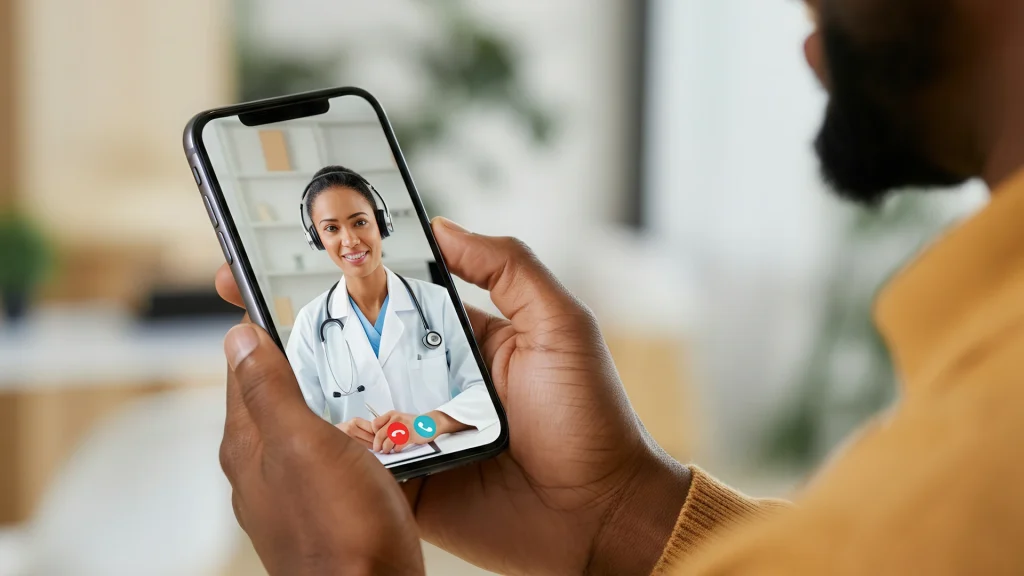
Appointments on Medispress take place by video in a HIPAA-compliant app.
- Common reasons people consider a virtual visit
- Examples of specialty areas, like primary care and behavioral health
- Administrative details, like documentation and follow-up
- What “prescription eligible” may mean in practice
- Links to health guides for deeper context
- Navigation to a Telehealth Appointment page for visit basics
- A broader browse option in the Telehealth Category
For lifestyle-focused support, the guide on Virtual Nutrition Counseling explains what virtual coaching can cover.
How to Choose
Choosing virtual care starts with matching the concern to the right scope. It also helps to think about follow-up needs and documentation. When comparing options, focus on clarity, fit, and realistic boundaries.
Match the visit type to the need
- Decide whether the concern is urgent, routine, or preventive
- Check whether photos, records, or device readings may help
- Look for clear notes on what is not handled virtually
- Consider whether ongoing care needs repeat visits and continuity
- Plan for in-person care if an exam is likely required
Compare practical details that affect the experience
- Video visit requirements, like camera access and a quiet space
- Language access and communication preferences, when available
- How the service handles after-hours messages and follow-ups
- Documentation support, like work notes or visit summaries
- Clear expectations for labs, imaging, or referrals when needed
When browsing Indiana Telehealth options, it can help to shortlist two choices. Then compare their scope, follow-up approach, and documentation notes.
Using This Directory
This directory is designed for fast scanning and deeper reading. Use it to move from a broad need to a specific visit type. Then confirm the basics before scheduling a video visit.
Indiana Telehealth listings may use different terms for similar services. “Primary care” often means general health concerns and refills when appropriate. “Behavioral health” may include therapy, counseling, or psychiatry depending on the service model.
- Start broad, then narrow by care area and visit purpose
- Open the service page to review visit format and requirements
- Use related guides to learn common terms and expectations
- Look for notes about record sharing and care coordination
- Choose an option that clearly explains follow-up steps
Why it matters: Clear scope reduces delays and avoids avoidable repeat visits.
Medispress visits are provided by licensed U.S. clinicians.
Access and Prescription Requirements
Indiana Telehealth access can depend on the concern and the information available. Some needs can be addressed with history and discussion alone. Others may require an exam, testing, or same-day in-person assessment.
Prescription rules vary by medication type and situation. A clinician may prescribe when clinically appropriate, and only after reviewing the case. For a plain-language overview of what happens after a visit, see Prescriptions Through Telehealth Visits.
- Some medications require stronger identity checks or added documentation
- Controlled substances often have extra legal and clinical limits
- Refill requests may depend on recent records and monitoring needs
- Pharmacies may verify prescriptions before dispensing
- Cash-pay options may be available, including visits without insurance
| After a virtual visit | What it can mean |
|---|---|
| Self-care plan | General guidance and monitoring steps, when appropriate |
| Prescription sent | Medication may be sent to a pharmacy when appropriate |
| Testing or referral | Next steps may include labs, imaging, or in-person evaluation |
| Follow-up visit | Ongoing concerns may need reassessment and continued tracking |
For neutral background on virtual care basics, see this HHS overview of telehealth basics. For questions about telemedicine and controlled substances, see this DEA telemedicine FAQ.
When appropriate, clinicians may coordinate prescriptions through partner pharmacies.
For access planning, it helps to confirm pharmacy details early. It also helps to plan for cash-pay care without insurance, when coverage is limited.
Related Resources
Indiana Telehealth browsing works best with a few trusted references. These guides explain common concerns, everyday routines, and when to seek more support. They are meant to inform, not replace individualized care.
For sleep concerns, review Telehealth For Insomnia. For anxiety education, read Signs Of Anxiety Disorders. For age-related access needs, see Telehealth For Seniors. For weight management context, see Telehealth For Weight Loss. For pregnancy support topics, visit Virtual Prenatal Care.
This content is for informational purposes only and is not a substitute for professional medical advice.
Find a doctor thats right for you
Find a doctor
Specialities
Location



Frequently Asked Questions
What can a virtual visit usually help with?
Virtual visits often work well for non-urgent concerns and follow-ups. They may cover symptom review, medical history, and care planning. They can also support mental health check-ins and lifestyle counseling. Some concerns still need an in-person exam or testing. Services vary in scope, so it helps to read the visit description carefully. If severe symptoms are present, urgent or emergency care may be more appropriate.
How do I prepare for a video visit?
Preparation is mostly practical and administrative. Have a photo ID available if identity checks are required. Keep a list of current medications, doses, and allergies. Write down key symptoms, timing, and recent changes. Gather recent lab results or visit notes if available. Choose a quiet space with stable internet and good lighting. Testing audio and camera beforehand can prevent delays.
Can telehealth be used for urgent symptoms?
Telehealth can help with triage for some urgent concerns. It may also help decide whether in-person care is needed. However, it is not a replacement for emergency services. Severe chest pain, trouble breathing, signs of stroke, or sudden confusion need immediate evaluation. A virtual clinician may recommend urgent care or an emergency department. Reading the service scope helps avoid delays when symptoms are serious.
How are prescriptions handled after a virtual visit?
Prescribing depends on the clinical situation and legal requirements. A clinician first reviews the history and any available records. If a prescription is appropriate, it may be sent to a pharmacy for dispensing. Pharmacies can also verify prescription details before filling. Some medications have added restrictions, especially controlled substances. Refills may require monitoring, recent evaluation, or documentation. No service can guarantee a prescription.
How is privacy protected during a telehealth appointment?
Privacy depends on both the platform and the setting. Many telehealth platforms use encrypted systems and HIPAA-aligned safeguards. Privacy also improves when the patient uses a private room and secure Wi-Fi. Headphones can reduce accidental disclosure. It helps to avoid public spaces during the visit. Patients can ask how records are stored and shared. If sensitive topics are discussed, choosing a quiet location matters.