


Illinois
Telehealth and Virtual Care Options in Illinois
This Illinois Telehealth directory helps patients and caregivers compare common virtual care options. It focuses on practical details, like visit types, specialty areas, and paperwork needs. It also links to education so expectations feel clearer before scheduling. Many listings focus on non-urgent issues that fit a video visit. For a plain-language definition, see this HHS telehealth overview.
This page also covers administrative steps that often come up with prescriptions. That includes identity checks, pharmacy verification, and follow-up planning. Some people look for cash-pay options, sometimes without insurance. This directory supports that kind of planning without making promises.
Illinois Telehealth What You’ll Find
This browse page brings together services and reading that explain how virtual care works. It helps set expectations for what a video visit can cover. It also helps compare practical differences across care areas. Examples include skin concerns, routine medication questions, and mental health check-ins. Some issues still require in-person exams, labs, or imaging.
Many people start by reviewing how appointments work on the platform. The Telehealth Appointment page explains the visit format and basic flow. If general background helps first, the Telehealth Category page groups related reading in one place.
- Visit-type basics, including what video visits can and cannot cover
- Common specialty pathways, like dermatology, primary care, and behavioral health
- Prep guidance, including questions to write down ahead of time
- Prescription process notes, including verification and pharmacy coordination
- Extra support topics, including rural access and caregiver-friendly workflows
Medispress visits are led by licensed U.S. clinicians.
How to Choose
Choosing a virtual care option is often about fit and clarity. Illinois Telehealth searches usually start with a simple need, like advice, a refill review, or symptom triage. It helps to compare services by what they require, not just the specialty name. When details are missing, it is reasonable to ask for clarification before booking.
Match the visit to the situation
- Confirm the issue is non-urgent and suitable for video-based assessment
- Look for clear visit scope notes, including limits of remote exams
- Check whether photos may be requested for skin or visible symptoms
- Consider continuity needs, like follow-ups for chronic conditions
- Plan for add-on needs, like labs or in-person referrals
Plan for communication and support
- Note language preferences and accessibility options when listed
- Choose a time when a caregiver can join, if helpful
- Review cancellation and rescheduling rules before confirming
- Write down key questions and goals for the visit
- Keep a current medication list ready, including OTC medicines
Quick tip: Test your camera and audio five minutes before joining.
For a focused checklist, see Prepare For Telehealth Appointment. It pairs well with Top Questions To Ask when planning a first visit.
Using This Directory
This directory works best when browsing starts with the need, not a label. Illinois Telehealth options can span several care lanes, even for similar symptoms. For example, a rash may fit a dermatology-focused service, while allergy symptoms may fit primary care. Mental health concerns may fit therapy, psychiatry, or coaching, depending on listing scope.
When comparing entries, look for signals that shape the experience. Those include whether the visit is single-issue or comprehensive, and how follow-ups are handled. It also helps to check how documentation is shared, like visit notes or care summaries.
- Visit format: video visit, photo-supported review, or mixed intake
- Eligibility notes: age ranges, caregiver participation, or special requirements
- Symptom history needs: prior records, home readings, or recent test results
- Technology needs: app access, stable connection, and device compatibility
- Follow-up expectations: when a second visit is commonly recommended
If technology is a concern, review Tech Troubles Tips. For dermatology-style visits, Teledermatology Services explains what remote skin care often involves.
Access and Prescription Requirements
Some visits are informational and do not involve prescriptions. Others may include a prescription discussion after a clinician review. Illinois Telehealth listings may describe whether medication management is part of the visit scope. If a prescription is considered, requirements can include identity checks and a complete medication history.
Why it matters: Verification steps support safer prescribing and pharmacy dispensing.
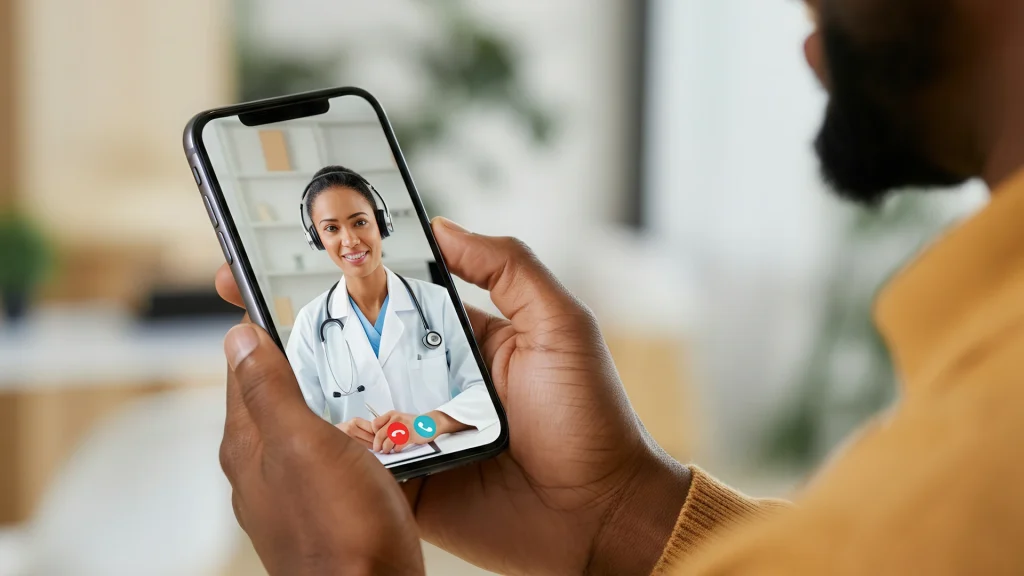
Appointments happen by video in our secure, HIPAA-compliant app.
Prescription rules vary by medication type and clinical context. Some medications require closer monitoring or in-person evaluation. Controlled substances may have stricter rules and documentation requirements. For pharmacy safety basics, review this FDA guide to buying medicine online.
- Prescription decisions depend on clinical appropriateness and documentation
- Pharmacies may require address, identity, and prescriber verification
- Refills may need a follow-up visit, especially with changing symptoms
- Some conditions need lab work arranged outside the video visit
- Cash-pay options can be available, sometimes without insurance
For a clear walkthrough of common steps, see Prescriptions Through Telehealth Visits. It explains typical verification and handoff points, without assuming any specific outcome.
Related Resources
Use these resources to learn what to expect and plan next steps. Illinois Telehealth works best when people arrive prepared and know the limits. The reading below also helps caregivers support family members across appointments. If access is a challenge, rural-focused guidance can help with planning.
If the goal is family logistics, start with Family Healthcare Easier. For rural access considerations, Benefits In Rural Areas covers common barriers and workarounds. When appropriate, clinicians can send prescriptions through partner pharmacies.
This content is for informational purposes only and is not a substitute for professional medical advice.
Find a doctor thats right for you
Find a doctor
Specialities
Location


Frequently Asked Questions
What is telehealth, and how is it different from telemedicine?
Telehealth is a broad term for remote health services. It can include video visits, secure messaging, and remote monitoring tools. Telemedicine often refers more narrowly to clinician-led diagnosis and treatment through technology. Many people use the terms interchangeably in daily life. The important part is the visit format and its limits. A video visit cannot replace every hands-on exam. Some concerns still need in-person evaluation or testing.
What can a video visit typically help with?
Video visits often work well for non-urgent concerns. They can help with symptom review, care planning, and medication questions. They may also support follow-ups for stable chronic conditions. Some clinicians may request photos for visible issues like rashes. A video visit may not be appropriate for severe symptoms or emergencies. If a service lists scope limits, use that information when browsing. When in doubt, ask about next steps and alternatives.
What should I have ready before a virtual appointment?
It helps to have a short symptom timeline and a current medication list. Include over-the-counter medicines, supplements, and known allergies. Many visits go smoother with recent vitals, if available, like temperature or blood pressure. Keep pharmacy information handy in case it becomes relevant. Find a quiet place with good lighting. Check your internet connection and device camera ahead of time. If a caregiver will join, confirm they can be present for key parts.
How do prescription refills work after a telehealth visit?
Refills depend on clinical appropriateness and the medication involved. A clinician may review history, current symptoms, and safety considerations before renewing a prescription. Some medicines require monitoring or recent lab results. Pharmacies may also require prescriber verification and updated patient details. If a refill is not appropriate, the clinician may recommend an in-person evaluation. If a refill is appropriate, prescriptions are typically sent electronically to a pharmacy option on record.
What if symptoms feel urgent during a virtual visit?
If symptoms seem severe, do not wait for online care. Many platforms note that telehealth is not designed for emergencies. Chest pain, trouble breathing, signs of stroke, or severe allergic reactions need urgent evaluation. If these occur, seek emergency care right away. For less clear situations, a clinician may advise next steps, such as urgent care or emergency services. It helps to share the most important symptoms first, including onset time and severity.