


Alabama
Telehealth in Alabama
This Alabama Telehealth directory helps patients and caregivers compare virtual care options. It focuses on practical details, like visit types, common specialties, and next steps. Use it to understand what a video visit can cover. For a clear overview of scheduling, see Telehealth Appointment.
Many people use telemedicine for routine questions, symptom check-ins, and follow-up care. Others look for support with anxiety, mood, sleep, nutrition, or chronic conditions. Reading a few guides can help set expectations before booking. The Telehealth Category page groups related topics in one place.
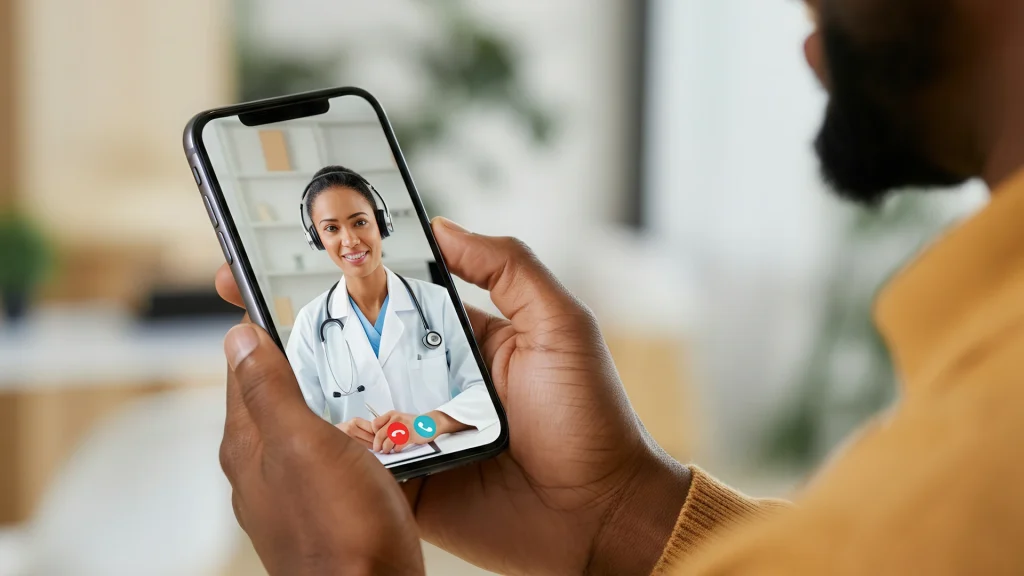
Medispress visits happen by video, using a secure, HIPAA-compliant app.
Alabama Telehealth What You’ll Find
This directory gathers telehealth pathways and related education in one spot. The goal is clarity, not pressure. The listings and linked resources help compare what services cover. They also explain how virtual care differs from urgent, in-person evaluation.
Expect to see descriptions that focus on basics. Those details include visit format, typical reasons for care, and what information helps clinicians. Some listings may note whether follow-up visits can support ongoing plans. Others may describe documentation, like school notes or work notes, when appropriate.
Virtual visits can work well for many common concerns. Still, some situations need hands-on exams, imaging, or lab testing. Emergency symptoms also call for immediate in-person help. This browse page helps sort those boundaries early, before scheduling.
- Common telehealth specialties and what each one usually addresses
- How video visits work, including what to prepare and share
- Administrative needs, like forms, documentation, and follow-up planning
- Prescription-related topics, including refill requests and pharmacy coordination
- Wellness and prevention topics, like sleep, hydration, and nutrition basics
- Mental health topics, including anxiety, depression, and seasonal patterns
How to Choose
Use this Alabama Telehealth list to narrow choices by timing and specialty. Start with the main reason for the visit. Then match it to the most relevant clinician type. This approach reduces handoffs and repeated intake steps.
Match the concern to the right specialty
Some needs fit primary care-style visits, while others fit focused care. Mental health visits often emphasize talk-based evaluation and planning. Skin issues may need clear photos and good lighting. Sleep concerns can involve habit review and screening questions.
- Primary concern and how long it has been present
- Age group needs, including pediatric considerations and caregiver involvement
- Whether symptoms suggest urgent in-person evaluation rather than telehealth
- Current medication list, allergies, and past reactions
- Preferred pharmacy details for potential prescription coordination
- Comfort with video, camera access, and a private space
- Need for ongoing follow-up versus a one-time consult
- Language preferences, accessibility needs, and communication style
Plan for follow-up and coordination
Many virtual visits work best with a plan for next steps. That plan may include monitoring symptoms, reviewing labs, or adjusting lifestyle supports. For anxiety-focused care, browse Telehealth For Anxiety. For mood concerns, see Early Signs Of Depression.
Medispress clinicians are licensed U.S. providers who review history during the visit.
Using This Directory
The Alabama Telehealth page works best when filters match the concern. Start broad, then narrow by service type and topic. Read the short descriptions to confirm fit. It also helps to note what the visit can and cannot address.
This directory includes educational pages alongside care options. Education helps set expectations and supports better questions during a visit. For plain-language definitions, see the HHS Telehealth overview. That overview explains common telehealth terms and typical care boundaries.
- Visit format: video-based care versus in-person evaluation
- Scope: what issues commonly fit, and what usually needs hands-on care
- Documentation: what notes or forms may be available after a visit
- Follow-up: whether ongoing visits may support long-term needs
- Medication support: how refill requests are reviewed and documented
- Care coordination: how outside labs, imaging, or referrals may be handled
Quick tip: Keep a current medication and allergy list saved in the account.
Some concerns need added preparation for a good visit. Sleep visits may go better with a simple sleep log. Nutrition visits often focus on patterns and barriers, not perfection. For sleep topics, browse Telehealth For Insomnia. For food planning support, see Virtual Nutrition Counseling.
Access and Prescription Requirements
Alabama Telehealth visits may lead to prescriptions when a clinician decides it fits. Prescriptions require an appropriate evaluation and a valid clinical rationale. Some medications also require extra safeguards under state or federal rules. The platform follows prescription verification steps where required.
Medication access can vary by diagnosis, medication class, and risk profile. Some prescriptions require recent vitals, labs, or in-person assessment. Controlled substances may face additional restrictions and documentation needs. For crisis support, the national 988 Lifeline is available. Emergency symptoms still require immediate emergency services.
When clinically appropriate, clinicians can send prescriptions to partner pharmacies for dispensing.
- A government-issued ID for identity checks when required
- Current medication list, including over-the-counter products and supplements
- Known allergies and past side effects
- Preferred pharmacy name, address, and phone number
- Recent home readings when relevant, like weight or blood pressure
- Prior diagnoses and key records, when available
Why it matters: Accurate pharmacy details help avoid preventable prescription verification delays.
Some people prefer cash-pay options, often without insurance, for simpler access. Availability and clinical appropriateness still guide what happens in a visit. For chronic care education, see Telehealth For Diabetes Care. These resources can help prepare focused questions for clinicians.
Related Resources
For deeper guidance, pair Alabama Telehealth browsing with these Medispress resources. These pages focus on common concerns and practical routines. They also help caregivers support planning and follow-through. Many topics apply across ages and care settings.
This content is for informational purposes only and is not a substitute for professional medical advice.
Find a doctor thats right for you
Find a doctor
Specialities
Location




Frequently Asked Questions
What can a telehealth clinician help with during a video visit?
Telehealth visits often cover symptom reviews, medication questions, and follow-up care. They can also support mental health check-ins and lifestyle counseling. Many visits focus on history, visual assessment, and planning next steps. Some problems still need an in-person exam, imaging, or lab testing. A clinician can explain what fits virtual care and what does not. If urgent or emergency symptoms appear, in-person emergency evaluation is more appropriate.
What information should I have ready before scheduling a visit?
Having a few details ready can make scheduling and intake smoother. A current medication list helps, including over-the-counter products and supplements. Allergy history also matters, especially prior medication reactions. It helps to know the main concern and when it started. If available, recent vitals like weight or blood pressure can be useful. A preferred pharmacy name and phone number may help if a prescription is considered.
Can telehealth providers prescribe medication?
In many cases, clinicians can prescribe when an evaluation supports it. Prescribing depends on the condition, the medication type, and safety requirements. Some medications may require recent labs, vitals, or in-person assessment. Clinicians also need accurate pharmacy information to route prescriptions correctly. When appropriate, prescriptions can be coordinated through partner pharmacies. Licensed dispensing and prescription verification steps apply where required by law and pharmacy policy.
How do I know when I should seek in-person or emergency care?
Telehealth is not a replacement for emergency services. Symptoms like severe chest pain, significant breathing trouble, or signs of stroke need immediate emergency evaluation. Severe allergic reactions also require urgent care. If someone cannot stay safe, emergency services are appropriate. For urgent mental health crises, the 988 Lifeline offers 24/7 support in the U.S. A telehealth clinician can also explain when in-person evaluation is needed.
How is my privacy protected during a virtual visit?
Privacy depends on the platform, the setting, and the patient’s environment. Many telehealth services use encrypted, HIPAA-aligned systems for communication. Privacy also improves with a quiet room, headphones, and a secure device login. It helps to avoid public Wi-Fi when possible. Before the visit, review any consent or privacy notices provided in the app. If questions come up, support teams can clarify technical privacy steps and account controls.