


Wrinkles
Wrinkles Care Options and Skin-Aging Basics
Skin changes with time, sun exposure, and everyday facial movement. This category page brings together options and education for Wrinkles, with a focus on practical comparisons. It covers ingredient types, prescription-only options, and common procedure terms. It also explains what often matters before starting any new routine.
Medispress offers video visits with licensed U.S. clinicians for skin concerns. This page is for browsing and learning, not self-treatment. Each listing may include basics like what it is, who it fits, and key cautions.
Wrinkles What You’ll Find
This collection pulls together common approaches used for fine lines and texture. Some options focus on surface smoothing and hydration. Others aim to support cell turnover or collagen signaling.
Several pages here cover prescription tretinoin (a prescription retinoid). These listings focus on what the medication is and how it is typically used. They may also cover typical side effects and when to check in.
- Medication pages for topical tretinoin products and forms
- Plain-language definitions for common line patterns and terms
- Ingredient notes for retinoids, humectants, antioxidants, and peptides
- Prevention basics, including sun damage and photoaging (sun-related skin aging)
- Procedure overviews, like neuromodulators and resurfacing, at a high level
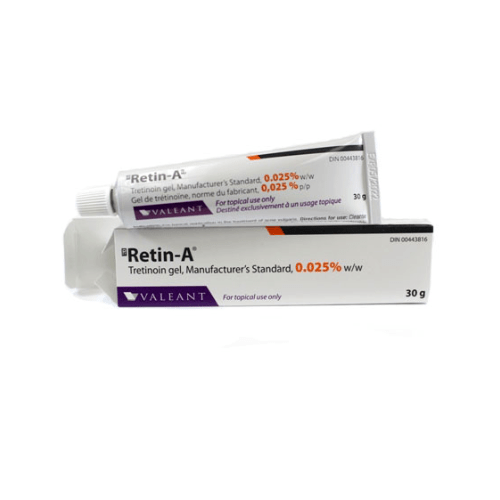
For example, compare topical forms like Retin-A Cream and Retin-A Gel by texture and typical skin feel. Some people also look at microsphere formats for slower release. A page like Retin-A Micro Gel can help explain that difference.
How to Choose
Choosing a plan often starts with naming the main concern clearly. That may be fine lines, deeper folds, or uneven tone. Wrinkles can look different on the forehead, around eyes, and near the mouth.
Skin goals and pattern
- Location: forehead lines, crow’s feet, under-eye lines, or neck creases
- Type: dynamic lines from movement versus static lines at rest
- Texture changes: roughness, enlarged pores, or post-sun unevenness
- Color changes: sun spots and redness that affect overall appearance
- Timeline expectations: gradual routines versus in-office procedures
Product format and tolerance
- Sensitivity history: stinging, eczema flares, or frequent irritation
- Routine complexity: how many steps feel realistic to maintain
- Layering: how actives fit with moisturizers and sunscreen
- Consistency: how often products are actually used week to week
- Preference: cream versus gel feel, especially under makeup
Quick tip: Consistent sunscreen use helps limit new sun-related texture changes.
It can also help to list what has already been tried. Include past retinol products, vitamin C serums, and peptide formulas. Note any reactions, including peeling, burning, or rash.
Safety and Use Notes
Many anti-aging ingredients can irritate skin, especially when combined. Retinoids may cause dryness, peeling, and increased sensitivity. Acids and scrubs can add irritation when skin is already stressed.
Medispress appointments take place in a secure, HIPAA-compliant app. Clinicians decide what is appropriate, based on history and photos when needed.
- Introduce one active at a time, when a clinician recommends it
- Watch for signs of barrier damage, like burning with bland moisturizer
- Be cautious mixing strong exfoliants with retinoids on the same nights
- Plan for sun protection, since sensitivity can increase with some actives
- Ask about pregnancy and breastfeeding considerations for prescription retinoids
Procedure terms can also be confusing. Botox for wrinkles refers to a neuromodulator used by injectors. Dermal fillers for wrinkles may target volume loss and folds. Microneedling, chemical peels, and laser resurfacing wrinkles approaches can vary by depth and recovery. A clinician can help frame options, then refer to local care if needed.
For a public, dermatologist-written overview, see AAD Wrinkles Overview.
Access and Prescription Requirements
Some options in this category require a prescription. That includes topical tretinoin products and certain strengths or formulations. Others, like sunscreen and moisturizer, are typically over-the-counter.
When a prescription is needed, pharmacy partners usually require standard checks. These checks help confirm the prescription and patient identity. Wrinkles may feel cosmetic, but prescription rules still apply.
- Prescription-only items require clinician authorization and pharmacy verification
- Availability can depend on state regulations and partner pharmacy policies
- Cash-pay access may be available, often without insurance
- Medication pages can clarify what a product is, before any visit
- Refills and follow-ups may require updated clinical review
Why it matters: Verification steps support safe dispensing and reduce preventable medication errors.
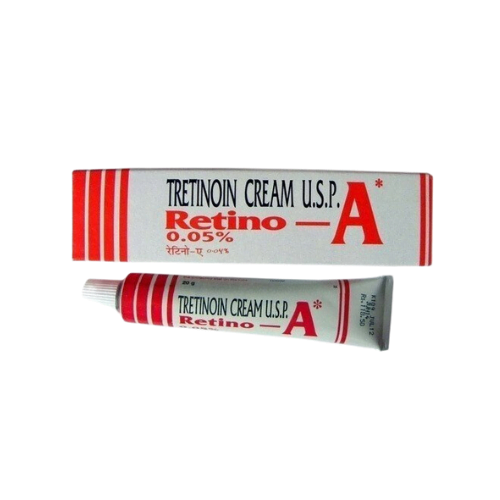
When clinically appropriate, clinicians may coordinate prescriptions through partner pharmacies, subject to state rules. People can review format options like Retino-A Cream or Retino-A Micro Gel to understand naming and form. For general drug information, see MedlinePlus Tretinoin Topical.
Related Resources
Use the links on this page to compare options side by side. Medication pages can help clarify what each product is used for. That can be helpful when deciding what questions to bring to a visit.
If topical tretinoin is being discussed, reviewing a specific listing can reduce confusion. For example, Retin-A Cream and Retin-A Gel differ in feel and typical use cases. Microsphere products like Retin-A Micro Gel can be described differently, even with similar active ingredients.
This content is for informational purposes only and is not a substitute for professional medical advice.

Find suitable medication for Wrinkles
Book a telehealth visit to discuss Wrinkles
Find a doctor
Speciality
State

Video Visit
$69

Video Visit
$69

Video Visit
$69

Video Visit
$69

Video Visit
$69

Video Visit
$69

Speciality: Dermatology, Family Medicine, Men's Health, Urgent Care, Women's health
Speaks: English, Spanish, French, Arabic, Portuguese
Video Visit
$69

Video Visit
$69

Video Visit
$69

Video Visit
$69

Video Visit
$69

Video Visit
$69
Frequently Asked Questions
What types of options are included in this category page?
This browse page focuses on common ways people address visible lines and texture changes. It may include prescription medication pages for topical retinoids, plus educational context on ingredients and routine basics. It can also reference broader approaches like sunscreen, moisturizers, and in-office procedures, at a high level. Listings are meant to support comparison and informed questions. A clinician should guide any diagnosis or treatment plan.
How do prescription retinoids differ from over-the-counter retinol?
Prescription tretinoin is a retinoid with established medical use and specific labeling. Over-the-counter retinol is a related ingredient found in many cosmetic products. The two are not equivalent in strength or regulation. Prescription products typically require clinician review and pharmacy verification. Both can cause irritation, especially at first. A clinician can help decide whether a prescription retinoid is appropriate.
Do all anti-aging products require a prescription?
No. Many routine items are sold over the counter, such as sunscreen, moisturizers, and some antioxidant serums. Prescription rules usually apply to specific medications, including topical tretinoin products. When a prescription is required, a licensed clinician must authorize it. A dispensing pharmacy then completes verification steps before filling. Category listings can help clarify which items are prescription-only versus cosmetic.
What information is helpful to have before a telehealth skin visit?
It helps to have a short timeline of symptoms and what has already been tried. Notes on irritation, dryness, peeling, and any rashes can be useful. A list of current products, including cleansers and actives, prevents mix-ups. Clear photos in good lighting may also support the clinician’s assessment. If there are allergies, pregnancy considerations, or past reactions, include those in the intake.
What are common reasons to pause a product and seek medical advice?
Stop and seek medical advice if there is significant swelling, hives, blistering, or trouble breathing. Those signs can suggest a serious allergy. Also seek guidance for severe burning, widespread rash, or skin cracking that worsens quickly. Persistent eye irritation can matter when products are used near the eyelids. For prescription medications, contact the prescribing clinician or pharmacist for next steps and documentation.