


Whipworm Infection
Care Options for Whipworm Infection
This category page brings together care information for Whipworm Infection and trichuriasis. Whipworm, caused by Trichuris trichiura, is a soil-transmitted helminth (parasitic worm). People often look for clear explanations, common treatments, and access requirements. This page helps compare options and understand common terms used by clinicians.
Whipworm symptoms can include abdominal pain and diarrhea, especially with heavier burdens. In children, heavy infection can raise rectal prolapse risk and anemia concerns. Visits connect patients with licensed U.S. clinicians by secure video. Browse Parasitic Worm Infection and Intestinal Worm Infection for broader context.
Whipworm Infection What You’ll Find
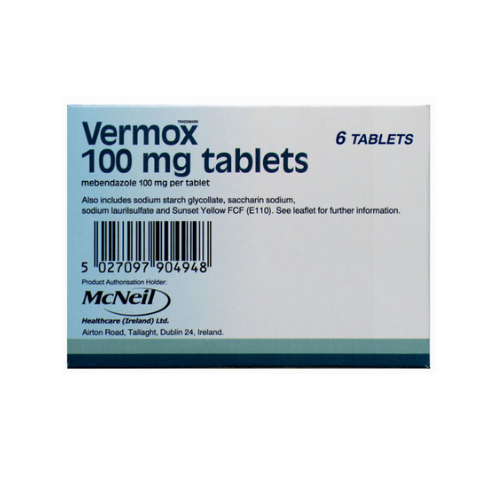
Listings on this page focus on whipworm treatment options used for soil-transmitted helminths. They may include common deworming medicines, such as albendazole for whipworm. Some resources also explain mebendazole dosage considerations without replacing clinician guidance. Details vary by age, pregnancy status, and other medicines in use.
Educational notes can cover whipworm causes, whipworm transmission, and the whipworm life cycle. This often includes contaminated soil exposure and swallowing microscopic eggs. Endemic areas whipworm is more common, especially where sanitation and hygiene are limited. Prevention themes usually mention handwashing and latrines, plus safer food handling.
Why it matters: Chronic whipworm complications may include anemia and growth delays in children.
- Medication overviews and key differences between options
- Notes on typical use for children and adults
- Safety topics to discuss during a clinical review
- Administrative access notes for prescription-only medicines
- Navigation to related infection collections across the site
How to Choose
When reviewing Whipworm Infection options, focus on safety fit and follow-up needs. Symptoms can overlap with other worms and non-infectious stomach problems. Hookworm vs whipworm comparisons matter when anemia is present or suspected. Pet whipworm vs human can also confuse naming and exposure history.
Comparing common options
Compare whether a listing is for evaluation, medication access, or education. Look for plain-language summaries beside clinical terms like trichuriasis and helminths. Related collections can help sort similar problems by likely cause. For comparison browsing, see Hookworm Infection and Pinworm Infection.
- Main symptoms, including abdominal pain and diarrhea, and how long they last
- Age group details, including whipworm in children versus whipworm in adults
- Recent travel or residence in endemic areas, plus household exposure patterns
- Possible contaminated soil exposure from gardening, farming, or playground contact
- History of anemia, weight loss, or rectal prolapse risk with severe cases
- Other medicines and supplements, to reduce interaction surprises
- Pregnancy or breastfeeding status, since some drugs have restrictions
- Plans for prevention, including sanitation and hygiene practices in shared spaces
- Whether symptoms suggest another parasite, such as tapeworm or roundworm
Questions to consider at a visit
These questions can help clarify next steps with a clinician. They also help keep discussions specific and efficient. This is useful when symptoms have lasted for weeks. It also helps when multiple household members feel unwell.
- Which exposures make a soil-transmitted worm more likely here?
- Could symptoms fit another condition besides a helminth infection?
- Which medication warnings matter most with current health history?
- Are there signs of complications that require in-person assessment?
- What prevention steps reduce reinfection risk in high-exposure settings?
Safety and Use Notes
Whipworm treatment is prescription-based, and suitability depends on individual factors. Antiparasitic medicines can cause side effects, and interactions are possible. Clinicians consider symptoms, exposure risk, and medical history before recommending therapy. Appointments run in our HIPAA-compliant app to protect health information.
For global guidance, review the WHO soil-transmitted helminths fact sheet. WHO preventive chemotherapy programs guide community deworming in some regions. Local deworming guidelines may differ across countries and risk groups. Travel history can help interpret risk when symptoms start later.
In Whipworm Infection, heavier burdens may lead to chronic inflammation and blood loss. Some people develop fatigue, slowed growth, or reduced concentration over time. Eosinophilia can appear with parasitic infection, but it is not specific. In rare severe cases, rectal prolapse risk increases and needs prompt evaluation.
- Severe abdominal pain, dehydration signs, or ongoing bleeding warrants urgent assessment
- Very young children may need closer monitoring during deworming therapy
- Pregnancy requires careful review of risks, benefits, and alternatives
- Persistent symptoms after treatment can reflect reinfection or another diagnosis
- Prevention often focuses on safe sanitation, clean water, and reduced soil exposure
Access and Prescription Requirements
This page also covers access details for Whipworm Infection medications and visits. Prescription verification is required for Rx products, and dispensing follows state law. Cash-pay access is available, often without insurance, when clinically appropriate. When appropriate, clinicians can route prescriptions to partner pharmacies under state rules.
During scheduling, Medispress offers a video visit option for clinician review. Some states require extra steps before certain antiparasitic medicines are dispensed. Documentation needs can vary for children, adults, and caregivers picking up medicine. For visit planning, see the Virtual Doctor Appointment Checklist online.
Quick tip: Use filters to compare medication names, forms, and requirements quickly.
For platform steps, read the Prescriptions Online Through Telehealth guide. It explains common paperwork, pharmacy selection, and follow-up documentation. It also clarifies that clinicians make clinical decisions independently. Medication options depend on medical history and state regulations.
- Basic health history, including allergies and current medicines
- A preferred pharmacy, if a prescription is coordinated after the visit
- Identity and contact details needed for prescription processing
- Review of counseling materials provided by the dispensing pharmacy
- A follow-up plan if symptoms persist, return, or worsen
Related Resources
Related pages can help place Whipworm Infection within a broader parasite picture. For public health background, see the CDC whipworm overview online. For stomach-related comparisons, browse the Gastrointestinal Infection collection as well.
- Tapeworm Infection for segmented worm comparisons
- Roundworm Infection for similar transmission patterns
- Giardia Infection for non-worm parasite differences
These pages can help sort symptoms, exposures, and terminology across infections. They also make it easier to compare prevention themes and reinfection risks. Keep notes on timing, exposures, and symptom changes when browsing. That context helps a clinician interpret next steps.
This content is for informational purposes only and is not a substitute for professional medical advice.

Find suitable medication for Whipworm Infection


Book a telehealth visit to discuss Whipworm Infection
Find a doctor
Speciality
State

Video Visit
$69

Video Visit
$69

Video Visit
$69

Video Visit
$69

Video Visit
$69

Video Visit
$69

Speciality: Dermatology, Family Medicine, Men's Health, Urgent Care, Women's health
Speaks: English, Spanish, French, Arabic, Portuguese
Video Visit
$69

Video Visit
$69

Video Visit
$69

Video Visit
$69

Video Visit
$69

Video Visit
$69
Frequently Asked Questions
What is trichuriasis?
Trichuriasis is an intestinal infection caused by Trichuris trichiura (whipworm). It spreads through contact with soil contaminated by human feces. It belongs to the soil-transmitted helminths group of parasites. Many infections cause mild symptoms or none at all. Heavier worm burdens may cause stomach pain, diarrhea, or anemia. Children can be more affected due to growth and nutrition needs. A clinician can confirm the cause and discuss treatment options.
What symptoms can be associated with whipworm?
Whipworm symptoms can range from none to significant gastrointestinal discomfort. Common complaints include abdominal pain and diarrhea, especially with heavier burdens. Some people notice fatigue or weakness when blood loss occurs. In children, severe cases may raise rectal prolapse risk and growth concerns. Symptoms can resemble other infections, including hookworm or giardia. Because overlap is common, a clinician review helps interpret symptoms and exposures together.
What medications are used for whipworm treatment?
Clinicians often treat whipworm with prescription antiparasitic medicines. Common options include albendazole and mebendazole, depending on clinical context. The right choice can depend on age, pregnancy status, and other medications. Labels and local guidelines also influence which option is appropriate. This category page may list related medications and supporting information. A licensed clinician should confirm if treatment is indicated and safe.
What can I find on the Whipworm Infection category page?
This category page is designed for browsing and comparison. It may include medication listings, access notes, and short educational explanations. Some entries focus on how prescriptions are verified and dispensed. Others focus on prevention topics like sanitation and hygiene in high-risk settings. You can also jump to related infection collections for quick comparison. The goal is to make terminology and options easier to understand.
When is urgent evaluation important for suspected worm complications?
Urgent evaluation may be appropriate when symptoms suggest significant dehydration or bleeding. Severe abdominal pain, fainting, or persistent vomiting can also be concerning. Blood in stool, marked weakness, or signs of anemia warrant prompt assessment. In children, rectal prolapse or severe diarrhea should be addressed quickly. Pregnancy adds extra safety considerations for medication decisions. When symptoms escalate, in-person care may be needed for proper evaluation.