


Wet Age-Related Macular Degeneration
Care Options for Wet Age-Related Macular Degeneration
Wet Age-Related Macular Degeneration is a form of AMD that can progress fast. It is also called wet AMD or neovascular AMD. People often notice wavy lines, blurry spots, or darker central vision. Care usually involves a retina specialist and retinal imaging. This category page supports browsing and learning, not self-diagnosis. It focuses on common terms, medication names, and practical access details.
Many care decisions depend on imaging, exam findings, and overall health history. Some steps also require in-person testing like OCT scans. Video visits can still help with history review and next steps. Video visits connect patients with licensed U.S. clinicians.
Wet Age-Related Macular Degeneration What You’ll Find
This collection brings together key concepts seen in wet AMD care discussions. It covers plain-language explanations plus clinical terms used in visit notes. Expect mentions of choroidal neovascularization (new blood vessels under the retina). There may also be notes on central vision changes and everyday function.
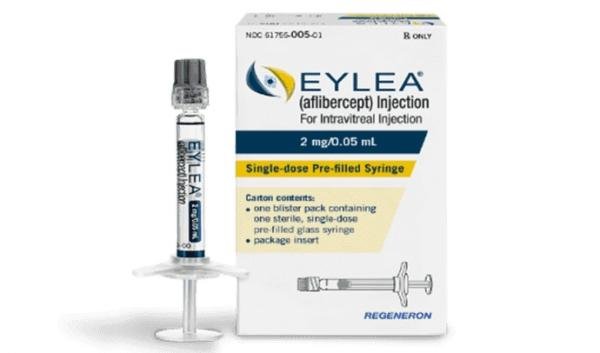
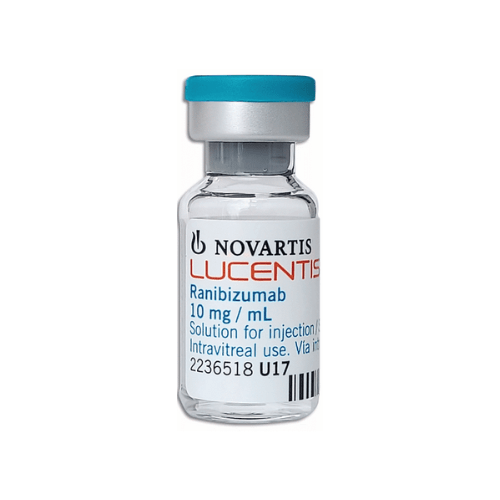
You will also see treatment language that can feel technical at first. Anti-VEGF injections (medicines that block vessel growth signals) are commonly discussed. Brand and generic names may include ranibizumab, aflibercept, bevacizumab, brolucizumab, and faricimab. Some care plans also mention photodynamic therapy for selected cases.
Quick tip: Save unfamiliar terms in a short list before comparing related pages.
- Common symptoms and warning signs, including distortion and new blind spots
- Testing terms like OCT (optical coherence tomography) and fluorescein angiography (dye-based imaging)
- Medication class names and how they are typically described
- Monitoring tools such as Amsler grid tracking between visits
- Related browsing, including the Neovascular AMD Collection
How to Choose
When comparing information, focus on clarity and clinical context. Many pages online blend dry AMD and wet AMD details. It helps to separate risk reduction ideas from treatment decisions. If Wet Age-Related Macular Degeneration is mentioned, check how the term is defined.
- Check whether content distinguishes wet AMD vs dry AMD clearly
- Look for explanations of diagnostic imaging, not just symptom lists
- Note when a medicine name is a drug, a brand, or a procedure
- Confirm whether a therapy is clinic-administered versus pharmacy-dispensed
- Track stated goals, like stabilizing vision or slowing leakage
- Consider low vision resources if daily tasks are becoming harder
- Review modifiable risk factors like smoking and AMD links
Questions to bring to a visit
Short, specific questions can make visits more efficient. Ask what findings support the diagnosis and what changed over time. Ask which test is most useful for monitoring. Clarify what symptoms should be treated as urgent.
Comparing treatment terms
Many people hear several names for similar approaches. Anti-VEGF injections describe a medication class, not a single drug. Some names are used off-label in eye care, depending on clinician judgment. Compare terms based on what they mean, not how familiar they sound.
Safety and Use Notes
Wet AMD is typically managed by eye specialists with retinal imaging. OCT can show fluid or swelling near the macula. Fluorescein angiography may show leakage patterns and vessel growth. These tests help explain why a plan may change over time.
Why it matters: New distortion or sudden central blur may need prompt evaluation.
Discuss side effects and safety monitoring with a clinician. Intravitreal injections are performed in clinic using sterile technique. Like many procedures, they can carry risks such as infection or inflammation. Supplements like AREDS2 vitamins may be discussed for overall AMD support, but they are not a substitute for medical care.
Appointments run in a secure, HIPAA-compliant mobile app.
- Seek clear definitions for neovascular AMD versus dry AMD changes
- Ask how Amsler grid monitoring fits into follow-up routines
- Review all medicines, including blood thinners and eye drops
- Share allergy history before any dye-based imaging is planned
For an overview of AMD types, see the National Eye Institute AMD page.
Access and Prescription Requirements
Many wet AMD therapies are prescription-only and specialist-directed. Some medicines are supplied to a clinic for administration. Others may be arranged through specialty pharmacy channels. Requirements can vary by state regulations and dispensing rules.
Wet Age-Related Macular Degeneration care may involve both clinical visits and medication coordination. If a prescription is appropriate, pharmacies typically verify the prescription before dispensing. Some people prefer cash-pay options, often without insurance, when available. Administrative steps may include identity checks and prescription confirmation.
- Prescription-only status for many eye medicines and supportive treatments
- Verification steps required before dispensing or transferring a prescription
- Documentation needs for specialty products, when applicable
- Refill limits and follow-up requirements set by the prescriber
When appropriate, clinicians can coordinate prescriptions with partner pharmacies.
Related Resources
Use these pages to keep terms consistent while browsing. The goal is easier comparison across symptoms, tests, and care pathways. Wet Age-Related Macular Degeneration is often discussed alongside lifestyle supports and vision rehabilitation. These resources can help with broader planning and daily routines.
- Improve Eyesight Naturally for general vision habits and context
- Look up retina specialist visit terms, including OCT reports and angiography notes
- Explore low vision resources for reading, driving, and screen accessibility
This content is for informational purposes only and is not a substitute for professional medical advice.

Find suitable medication for Wet Age-Related Macular Degeneration
Book a telehealth visit to discuss Wet Age-Related Macular Degeneration
Find a doctor
Speciality
State

Video Visit
$69

Video Visit
$69

Video Visit
$69

Video Visit
$69

Video Visit
$69

Video Visit
$69

Speciality: Dermatology, Family Medicine, Men's Health, Urgent Care, Women's health
Speaks: English, Spanish, French, Arabic, Portuguese
Video Visit
$69

Video Visit
$69

Video Visit
$69

Video Visit
$69

Video Visit
$69

Video Visit
$69
Frequently Asked Questions
What is the difference between wet AMD and dry AMD?
Dry AMD usually involves gradual thinning and deposits under the retina. Wet AMD involves abnormal blood vessels that can leak fluid or blood. That vessel growth is often called neovascular AMD or choroidal neovascularization. Wet changes can affect central vision more quickly than dry changes. A clinician typically uses symptoms plus retinal imaging to separate these conditions. Some people have features of both types over time.
What tests are used for wet AMD diagnosis?
Clinicians often use OCT (optical coherence tomography) to look for fluid, swelling, or retinal layer changes. They may also use fluorescein angiography, which uses a dye to highlight leakage patterns. A dilated eye exam and visual acuity testing also help. These tests support wet AMD diagnosis and guide monitoring. Telehealth can help review history, but imaging is usually needed to confirm findings.
What treatment options are commonly discussed for wet AMD?
Many care plans include anti-VEGF injections, which are clinic-administered medicines. You may see names like ranibizumab, aflibercept, bevacizumab, brolucizumab, or faricimab in care discussions. Some cases may also involve photodynamic therapy. The right approach depends on imaging results, symptom changes, and clinician judgment. This category page helps explain terms, not select a treatment.
Do anti-VEGF medicines require a prescription?
Yes, anti-VEGF medicines used for wet AMD are prescription therapies. They are typically managed by a retina specialist and administered in a clinical setting. Dispensing and handling can involve specialty pharmacy processes, depending on the product and setting. Pharmacies usually verify the prescription and follow legal dispensing requirements. If coordination is needed, clinicians may route prescriptions to partner pharmacies, subject to state regulations.
When should vision changes be treated as urgent?
Sudden distortion, a new dark spot, or rapid central blur can be concerning. New flashes, a curtain-like shadow, or severe eye pain can also signal urgent problems. These symptoms are not specific to one condition, so prompt evaluation matters. Wet AMD can progress quickly in some cases, but only an exam can confirm the cause. If symptoms feel sudden or severe, urgent clinical assessment is appropriate.