


Waldenström's Macroglobulinemia
Care Options for Waldenström's Macroglobulinemia
Waldenström’s Macroglobulinemia is a rare blood cancer that affects immune cells. Clinicians also call it lymphoplasmacytic lymphoma or IgM macroglobulinemia. This category page helps patients and caregivers browse practical information in one place. It focuses on common terms, medication types, and care questions. It also explains what often drives treatment timing, like symptoms and lab trends. Some people live with smoldering Waldenstrom macroglobulinemia for years without therapy.
Medispress visits connect patients with licensed U.S. clinicians by video.
Waldenström’s Macroglobulinemia What You’ll Find
This collection brings together resources that match real browsing needs. Expect clear definitions for WM disease terms and common care pathways. The page also highlights how people describe symptoms of Waldenstrom macroglobulinemia in daily life. That may include fatigue from anemia in WM, numbness from peripheral neuropathy WM, or vision changes linked to hyperviscosity syndrome.
Some entries focus on medication classes that clinicians may discuss. Others focus on supportive interventions that sometimes appear in plans. Examples include rituximab therapy WM, BTK inhibitors WM, and plasmapheresis WM in selected situations. The goal is clarity, not a one-size-fits-all plan.
Quick tip: Use a notes app to track terms, questions, and appointment dates.
- Plain-language explanations of WM and related terms
- Medication information pages, when available in this collection
- Common care questions to bring to clinical visits
- Links to reputable organizations for deeper reading
How to Choose
Care plans can look different across clinics and life stages. Waldenström’s Macroglobulinemia decisions often depend on symptoms, blood counts, and IgM-related effects. Many people also compare “watchful waiting WM” with starting therapy. This page helps organize those conversations without replacing a clinician’s judgment.
Match resources to the decision point
- Look for whether the topic covers “when to treat” versus “how to treat.”
- Separate symptom management topics from disease-directed therapy topics.
- Check whether the resource mentions hyperviscosity, neuropathy, or anemia.
- Note whether it discusses MGUS and WM versus established disease.
Use terms that show up in clinic notes
- WM can overlap with IgM MGUS and other B-cell disorders.
- Some WM cases involve MYD88 mutation or CXCR4 mutation.
- Staging and prognosis WM can mean different systems across sources.
- For comparisons, note Waldenstrom macroglobulinemia vs multiple myeloma.
For a plain-language overview from a national source, see the National Cancer Institute WM treatment summary.
Safety and Use Notes
Information online can sound more certain than real-world care. Waldenström’s Macroglobulinemia therapy choices often weigh benefits against infection and bleeding risks. Many regimens affect immune function, so clinicians may discuss vaccines and monitoring. People also ask about neuropathy, fatigue, and medication interactions.
Appointments run in a secure, HIPAA-aligned app for private messaging and video.
Why it matters: Hyperviscosity symptoms can escalate quickly and may need urgent evaluation.
- Rituximab-based therapy can change IgM levels in complex ways.
- BTK inhibitors, like ibrutinib for WM or zanubrutinib WM, have distinct safety profiles.
- Plasmapheresis WM discussions usually focus on short-term symptom relief.
- Clinical trials WM may offer options for relapsed or refractory disease.
When reading about Waldenstrom macroglobulinemia survival rate, check the source and date. Many statistics combine different eras of care and patient groups. They also cannot predict an individual course. For supportive education and community links, the Leukemia & Lymphoma Society offers condition pages and support navigation.
Access and Prescription Requirements
Waldenström’s Macroglobulinemia medications often require a prescription and pharmacy review. Some drugs also need prior authorization or special handling steps. Requirements vary by medication, state rules, and clinical context. This collection helps set expectations for administrative steps before therapy starts.
When appropriate, clinicians can route prescriptions through partner pharmacies, following state rules.
Medispress supports cash-pay access for some services, often without insurance. Prescription-only items still require a clinician’s order and standard verification. Pharmacies that dispense medications must follow state and federal requirements. Availability can also depend on local dispensing rules and clinical appropriateness.
- Prescription requirement confirmation before pharmacy processing begins
- Identity and medication safety checks, when required by regulation
- Coordination steps that may involve clinician documentation
- Clear next steps when an item is not appropriate or not available
Related Resources
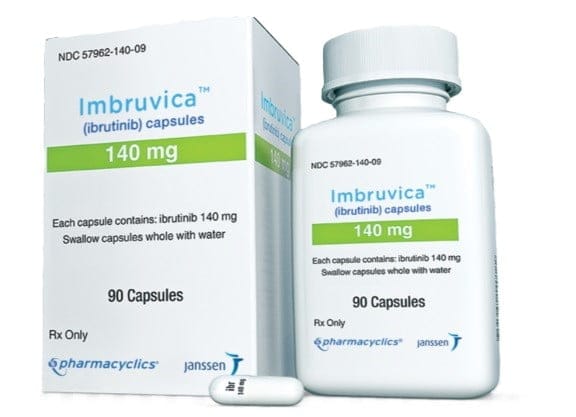
Use these links to keep browsing within Medispress and beyond. Waldenström’s Macroglobulinemia care discussions often include BTK inhibitors by name. If a medication page appears in this collection, it can help explain basics and common questions. See Imbruvica Medication Details for one example of a medication information page.
Many people also look for guidelines Waldenstrom macroglobulinemia and resources for caregivers WM. Support groups WM can help with practical issues like travel, fatigue planning, and coping. When reading any resource, check who wrote it and what evidence it cites. Bring unclear terms to a clinician visit for context and interpretation.
- Glossaries for IgM macroglobulinemia, lymphoplasmacytic lymphoma, and WM disease
- Overviews of Waldenstrom macroglobulinemia diagnosis language and common lab terms
- High-level treatment options for Waldenstrom macroglobulinemia discussions
- Trusted organizations for education, peer support, and caregiver tools
This content is for informational purposes only and is not a substitute for professional medical advice.

Find suitable medication for Waldenström's Macroglobulinemia
Book a telehealth visit to discuss Waldenström's Macroglobulinemia
Find a doctor
Speciality
State

Video Visit
$69

Video Visit
$69

Video Visit
$69

Video Visit
$69

Video Visit
$69

Video Visit
$69

Speciality: Dermatology, Family Medicine, Men's Health, Urgent Care, Women's health
Speaks: English, Spanish, French, Arabic, Portuguese
Video Visit
$69

Video Visit
$69

Video Visit
$69

Video Visit
$69

Video Visit
$69

Video Visit
$69
Frequently Asked Questions
What does this Waldenström's Macroglobulinemia category page include?
This browse page gathers practical information related to Waldenström’s macroglobulinemia (WM). It may include medication information pages, high-level safety context, and common terms used in clinic notes. It also highlights topics that often drive care timing, like anemia, neuropathy, and hyperviscosity. The goal is to make it easier to compare resources and prepare questions for a licensed clinician. Listings and availability can change over time.
How is Waldenstrom macroglobulinemia different from multiple myeloma?
Both conditions involve abnormal blood cells and can affect labs and symptoms. Waldenstrom macroglobulinemia is usually described as a lymphoplasmacytic lymphoma with high IgM. Multiple myeloma more often involves plasma cells and may show different protein patterns. Because the conditions can look similar in early discussions, resources sometimes compare them side by side. A clinician uses the full clinical picture to interpret results and confirm the diagnosis.
What are common terms to know for WM disease discussions?
People often see terms like IgM macroglobulinemia, lymphoplasmacytic lymphoma, and “watchful waiting.” Clinic notes may mention hyperviscosity syndrome (thickened blood symptoms) or peripheral neuropathy (nerve pain or numbness). Some sources discuss genetic changes like MYD88 mutation or CXCR4 mutation. Resources may also mention MGUS and WM, or smoldering Waldenstrom macroglobulinemia, when symptoms are minimal. These terms help frame questions for a care team.
When should symptoms be treated as urgent in Waldenström’s macroglobulinemia?
Some symptoms can signal a need for urgent evaluation, especially if they appear suddenly. Sources often flag severe headache, confusion, vision changes, shortness of breath, chest pain, fainting, or signs of stroke. Bleeding that will not stop, black stools, or new severe weakness also deserve prompt attention. This page cannot judge severity for any individual situation. For urgent concerns, seek emergency care or contact a clinician right away.
How do telehealth visits work on Medispress for condition-related questions?
Medispress offers video visits with licensed U.S. clinicians through a secure app. Clinicians review history and symptoms, then decide what is appropriate. When clinically appropriate, they may coordinate prescription options through partner pharmacies, following state regulations. Some services may be available as cash-pay options, often without insurance. Telehealth does not replace emergency care, and it may not fit every situation. Documentation and pharmacy requirements can vary by medication and state.