


Vitamin B12 Deficiency
Care Options for Vitamin B12 Deficiency
Vitamin B12 Deficiency can affect energy, nerves, and healthy blood cells. This category page helps patients and caregivers compare common topics and options. It highlights symptom patterns, risk factors, and terms clinicians may use. It also connects to related nutrition and deficiency collections across Medispress. Use this page to browse, learn key definitions, and plan questions for a visit.
Medispress visits take place by video with licensed U.S. clinicians.
Vitamin B12 Deficiency What You’ll Find
This browse page brings together condition-aligned resources and listings in one place. It focuses on practical details that often shape next steps. That includes symptom themes, common causes, and how clinicians confirm concerns. It also covers the main forms of B12 support that may appear, like oral supplements or clinician-administered injections.
Many people compare B12 topics alongside other deficiency patterns. For example, fatigue can overlap with Iron Deficiency Anemia and broader Nutritional Deficiency concerns. For general nutrition browsing, start with Vitamins And Supplements.
- Plain-language explanations of common symptom clusters
- Notes on causes of low B12 and absorption issues
- Background on pernicious anemia and intrinsic factor problems
- Overview of oral options versus injection-based options
- Typical risk factors, including diet and certain medications
- Links to related health topics and condition collections
How to Choose
People often arrive here after noticing fatigue or neurologic changes. Others browse after a lab result shows low or borderline values. Use the page to compare options and clarify what to ask next. Vitamin B12 Deficiency also has several distinct causes, so context matters.
Match resources to the likely cause
- Diet pattern, including low animal foods or vegan eating
- History of stomach or intestinal conditions affecting absorption
- Prior bariatric surgery and long-term digestive changes
- Medication history, including metformin and acid reducers
- Family history of autoimmune disease and pernicious anemia
Compare forms and practical fit
- Oral B12 supplements versus clinician-administered B12 injections
- Ingredient label details and preferred formulation type
- Cyanocobalamin vs methylcobalamin differences for discussion
- Adherence factors, like schedule, swallowing, and tolerance
- Follow-up planning when symptoms involve balance or sensation
Quick tip: Keep a current medication and supplement list for visits.
Some symptoms overlap with other conditions that affect energy and sleep. If daytime fatigue drives the search, see Excessive Daytime Sleepiness for a broader checklist. For hormonal factors that can mimic low energy, review Hormonal Health Tips In Menopause.
Safety and Use Notes
B12 plays a role in nerve function and red blood cell production. Low levels can show up as macrocytic anemia (large red blood cells) on bloodwork. Some people notice numbness and tingling B12 patterns or balance changes. Clinicians may describe this as neuropathy (nerve damage). New or worsening neurologic symptoms deserve timely clinical review.
Low B12 can happen from reduced intake or reduced absorption. An intrinsic factor issue may block absorption. Intrinsic factor is a stomach protein that helps absorb B12. Pernicious anemia is an autoimmune cause of low B12. For a neutral background overview, see the MedlinePlus pernicious anemia summary.
Appointments run in a secure, HIPAA-compliant mobile app.
- Do not assume fatigue has a single cause or quick fix
- Bring prior lab values, if available, for context and trends
- Ask how folate deficiency vs B12 deficiency can look similar
- Review alcohol intake and diet changes that affect nutrition status
- Discuss pregnancy status, since needs can shift during pregnancy
- Report new confusion, weakness, or falls as urgent symptoms
Why it matters: Nerve-related symptoms can persist if low B12 continues.
For evidence-based nutrient basics and food sources, see the NIH Office Of Dietary Supplements B12 overview.
Access and Prescription Requirements
Some options in this collection may be non-prescription. Others may require a prescription, depending on the item and state rules. Pharmacies typically verify prescriptions before dispensing. If a clinician recommends an injection product, it often follows a clinical review. That review may consider symptoms, diet, and relevant lab patterns.
Medispress supports cash-pay access, often without insurance, for many visits and services. Vitamin B12 Deficiency care may involve screening for underlying causes. That can include malabsorption, medication effects, or autoimmune conditions. Documentation needs can also vary for travel, work, or caregiving plans.
When appropriate, clinicians can route prescriptions through partner pharmacies, per state rules.
- Keep an updated health history, including surgeries and stomach conditions
- Share current medications, including metformin and acid reducers
- Confirm preferred pharmacy and address details before checkout steps
- Check state-specific availability for prescription coordination options
- Review refill timing rules set by the dispensing pharmacy
- Use secure messaging for administrative questions after a visit
If virtual care feels new, read Telehealth Online Basics for a clear walkthrough. For caregiver logistics, see Telehealth Makes Family Healthcare Easier.
Related Resources
Nutrition concerns often touch mental health, sleep, and long-term wellness. For food-focused context, review Nutrition And Mental Health. For sustainable routines that support overall health, see Healthy Living And Longevity.
It can also help to compare related deficiency categories side by side. Browse Growth Hormone Deficiency to understand how different deficiencies affect energy and function. Then return here to compare symptom language, risk factors, and care pathways tied to Vitamin B12 Deficiency.
- Browse adjacent deficiency categories to clarify overlapping symptoms
- Save questions about absorption, diet patterns, and medication effects
- Track symptom changes, especially numbness, balance, and memory issues
- Review reliable food sources, including vegan B12 sources when relevant
- Use internal reading links to build a simple, shareable care summary
This content is for informational purposes only and is not a substitute for professional medical advice.

Find suitable medication for Vitamin B12 Deficiency
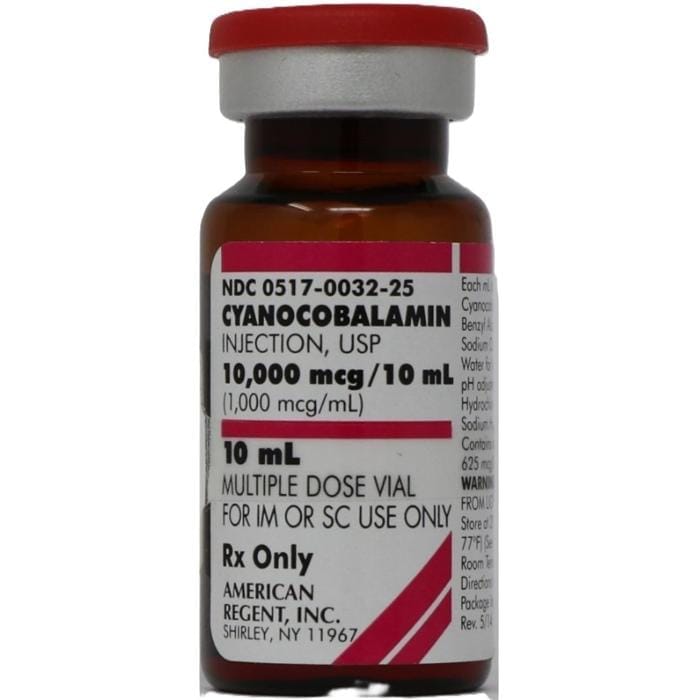
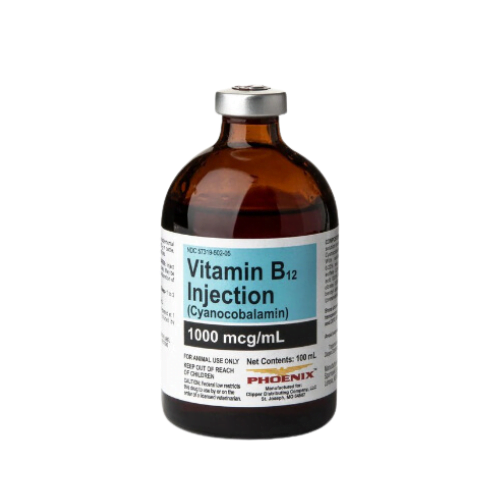
Book a telehealth visit to discuss Vitamin B12 Deficiency
Find a doctor
Speciality
State

Video Visit
$69

Video Visit
$69

Video Visit
$69

Video Visit
$69

Video Visit
$69

Video Visit
$69

Speciality: Dermatology, Family Medicine, Men's Health, Urgent Care, Women's health
Speaks: English, Spanish, French, Arabic, Portuguese
Video Visit
$69

Video Visit
$69

Video Visit
$69

Video Visit
$69

Video Visit
$69

Video Visit
$69
Frequently Asked Questions
What can I browse on this category page?
This page groups information and related listings tied to low vitamin B12. It helps patients and caregivers compare symptom language and common risk factors. It also highlights practical differences across oral supplements and injection-based options. Use the links to explore related deficiency categories and nutrition reading. If telehealth is available for a topic, the page can support scheduling steps. Clinical decisions still depend on an individual review.
What are common B12 deficiency symptoms people report?
People often mention fatigue and low stamina first. Others notice numbness, tingling, or balance changes. Some report brain fog, mood changes, or memory concerns. Symptoms can overlap with sleep problems, thyroid issues, and iron deficiency. That overlap is why clinicians ask about diet, medications, and medical history. New weakness, confusion, or trouble walking deserves prompt medical evaluation.
What causes low vitamin B12 besides diet?
Low B12 can happen when the body cannot absorb it well. Pernicious anemia is one autoimmune cause that affects absorption. Intrinsic factor deficiency can also reduce uptake from food. Stomach or intestinal conditions may contribute over time. Bariatric surgery can change absorption patterns as well. Some medicines, including metformin, may lower B12 levels in some people. A clinician can help sort likely causes.
How are serum B12 levels and related markers interpreted?
Clinicians usually interpret serum B12 levels alongside symptoms and other labs. They may also review methylmalonic acid (MMA) and homocysteine levels for added context. Results can look different across labs and patient histories. Pregnancy, kidney disease, and certain supplements can affect values. Borderline results may still matter when neurologic symptoms exist. Only a licensed clinician should interpret results and recommend next steps.
What is the difference between oral B12 supplements and B12 injections?
Oral supplements typically support intake through pills, liquids, or dissolvable forms. Injections deliver B12 through a shot and may be used in specific situations. The best fit depends on cause, absorption concerns, and clinical goals. People with malabsorption or pernicious anemia may need different approaches. A clinician can explain expected monitoring and follow-up. Avoid changing forms or frequency without medical guidance.