


Ventricular Arrhythmia
Care Options for Ventricular Arrhythmia
Ventricular Arrhythmia refers to abnormal heart rhythms that start in the lower chambers. This collection supports patients and caregivers who want clearer terms, safer questions, and next-step planning. It covers common rhythm patterns like ventricular tachycardia, ventricular fibrillation, and premature ventricular contractions (PVCs). It also explains how clinicians sort urgent symptoms from lower-risk palpitations. Use this page to compare topics, review common evaluations, and understand how prescriptions may be handled.
Ventricular Arrhythmia: What You’ll Find
This category page brings together practical resources tied to ventricular-origin rhythms. It focuses on plain-language explanations, common acronyms, and how clinicians describe episode patterns. Expect references to nonsustained ventricular tachycardia versus sustained ventricular tachycardia, and to torsades de pointes (a twisting form of polymorphic VT). It also covers how risk can change with underlying heart disease.
The listings may also mention bigger-picture planning concepts. Examples include risk stratification (how clinicians estimate future risk) and sudden cardiac death risk conversations. Some pages may reference ICD therapy (implantable cardioverter-defibrillator) and catheter ablation for ventricular tachycardia. When medications come up, they are usually discussed as a class, not as a dosing plan.
- Definitions for VT, VF, PVCs, and related rhythm terms
- Common ventricular arrhythmia symptoms and what they can mean
- Ventricular arrhythmia causes, including structural and genetic triggers
- Ventricular arrhythmia diagnosis basics, including typical test names
- High-level management pathways used in clinical guidelines
- Administrative notes about prescriptions and verification requirements
Medispress telehealth visits are provided by licensed U.S. clinicians.
How to Choose
Different resources help with different needs. Some pages explain terminology for a new diagnosis. Others help organize records for a follow-up visit. When browsing Ventricular Arrhythmia resources, start by matching the page to the situation.
Quick tip: Keep a simple log of dates, symptoms, and known triggers.
Match the resource to the question
- Look for the rhythm label, such as VT, VF, or frequent PVCs.
- Check whether the content covers sustained versus nonsustained episodes.
- Prefer pages that define terms in plain language first.
- Use resources that list red flags without creating panic.
- Choose summaries that mention underlying causes, not just symptoms.
Bring the right details to a clinician
- Prior ECG results, if available, plus any Holter monitor report details.
- Medication list, including supplements and energy products.
- Past heart history, including ischemic cardiomyopathy or prior myocarditis.
- Family history of sudden death, long QT syndrome, or Brugada syndrome.
- Device history, including pacemaker or ICD, and recent downloads.
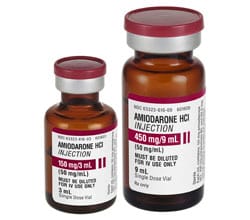
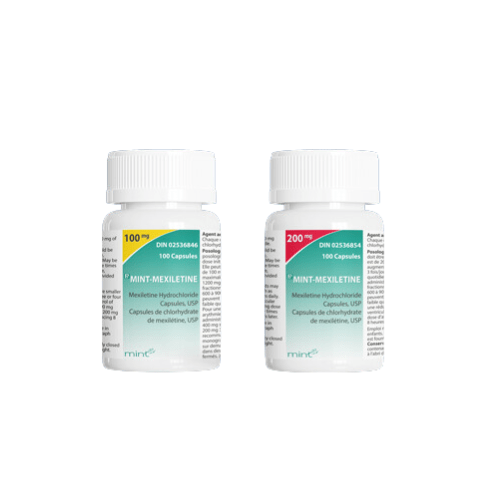
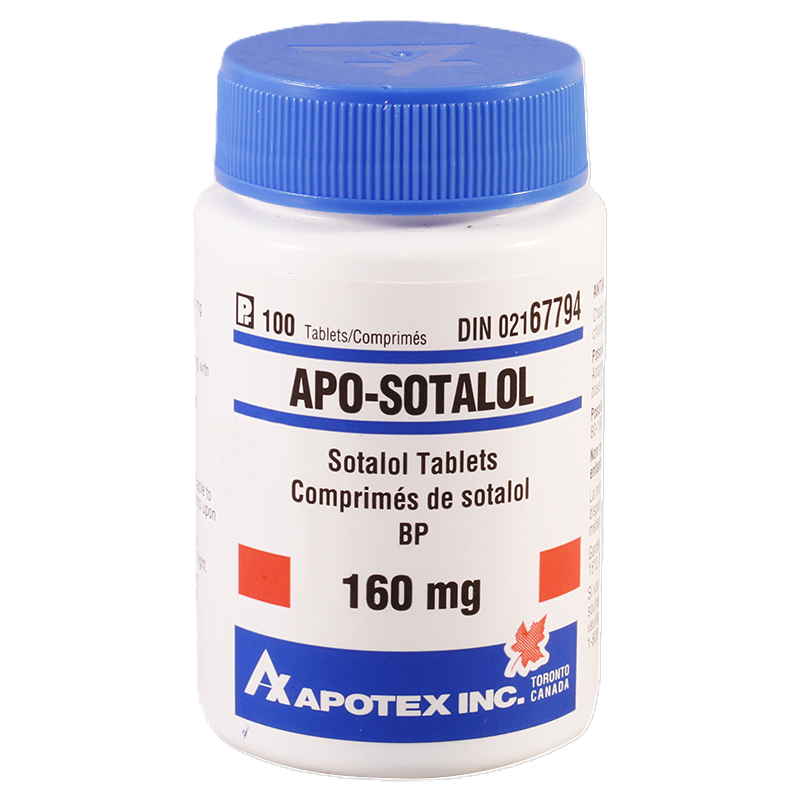
If medications are part of the discussion, focus on safety context. Ask what monitoring might be needed, and why. Some resources may mention antiarrhythmic medications like amiodarone for VT or sotalol for ventricular arrhythmia. A clinician should confirm whether those examples fit the clinical picture.
Safety and Use Notes
Ventricular rhythms range from uncomfortable to life-threatening. Symptoms can include palpitations, lightheadedness, chest discomfort, shortness of breath, or fainting. Severity depends on rhythm type, heart structure, and episode duration. Clinicians often use ECG for ventricular arrhythmias as a starting point. They may also use ambulatory monitoring, like a Holter monitor (a 24–48 hour wearable ECG).
Why it matters: Fainting with palpitations can signal a higher-risk rhythm.
Many resources also explain why episodes happen. Ventricular arrhythmia causes can include scar from a past heart attack, cardiomyopathy, electrolyte shifts, or medication effects. Some diagnoses relate to inherited conditions, like long QT syndrome arrhythmia and Brugada syndrome. Others relate to structural disorders, like arrhythmogenic right ventricular cardiomyopathy. When inflammation plays a role, myocarditis-related ventricular arrhythmia may be discussed.
Ventricular Arrhythmia pages may reference how clinicians confirm a diagnosis. Besides ECG and monitors, some patients undergo an electrophysiology study (EP study, a catheter-based electrical mapping test). These terms often appear alongside risk stratification language. They may also appear next to options like ICD therapy or catheter ablation ventricular tachycardia discussions.
Clinicians make the clinical decisions based on history, testing, and risk.
For background definitions and safety framing, see the American Heart Association arrhythmia overview. For a second plain-language reference, review the NHLBI arrhythmia information page.
Access and Prescription Requirements
Some treatments discussed in this collection require prescriptions. That includes many antiarrhythmic medications and some supportive therapies. Pharmacies typically need a valid prescription from a licensed clinician. They also verify key details like patient identity and prescriber credentials. This protects patients and supports safer dispensing.
Ventricular Arrhythmia topics can also overlap with follow-up planning. That may include lab work, ECG review, or device checks when clinicians consider certain drugs. It may also include coordination with cardiology or electrophysiology specialists. This page stays informational and does not replace individualized care planning.
When a telehealth visit is clinically appropriate, Medispress uses secure video visits in a HIPAA-focused app.
Some people use cash-pay options, often without insurance, for the visit or medication. Availability and dispensing rules vary by state and by medication type. When appropriate, clinicians can coordinate prescription options through partner pharmacies under state regulations. Cash-pay options, often without insurance, may also apply through some pharmacy pathways.
Related Resources
Some symptoms and terms overlap with faster rhythms that start above the ventricles. For comparison browsing, see the Supraventricular Tachycardia collection. If shortness of breath and fatigue are part of the story, review Serious Pulmonary Hypertension Signs for broader context.
As this browse page is updated, it may include additional condition-adjacent topics. Look for clear definitions, neutral explanations, and practical notes about records to gather. If a page mentions ventricular arrhythmia prognosis, read it as a population-level concept. A clinician can interpret what it means for one person.
This content is for informational purposes only and is not a substitute for professional medical advice.

Find suitable medication for Ventricular Arrhythmia

Book a telehealth visit to discuss Ventricular Arrhythmia
Find a doctor
Speciality
State

Video Visit
$69

Video Visit
$69

Video Visit
$69

Video Visit
$69

Video Visit
$69

Video Visit
$69

Speciality: Dermatology, Family Medicine, Men's Health, Urgent Care, Women's health
Speaks: English, Spanish, French, Arabic, Portuguese
Video Visit
$69

Video Visit
$69

Video Visit
$69

Video Visit
$69

Video Visit
$69

Video Visit
$69
Frequently Asked Questions
What types of rhythms fall under ventricular arrhythmias?
Ventricular arrhythmias start in the heart’s lower chambers (the ventricles). Common examples include ventricular tachycardia, ventricular fibrillation, and premature ventricular contractions (PVCs). Some pages also discuss nonsustained versus sustained episodes, which describes how long a rhythm lasts. You may also see torsades de pointes, a specific pattern linked with QT prolongation. This category page helps organize these terms and related care concepts for easier browsing.
How is ventricular arrhythmia usually diagnosed?
Clinicians often begin with an ECG, which records the heart’s electrical activity. If symptoms come and go, they may use ambulatory monitoring, such as a Holter monitor or an event monitor. Some evaluations include imaging to look for structural heart disease, plus blood tests to check contributing factors. In select situations, an electrophysiology study (EP study) helps map electrical pathways. A licensed clinician decides which tests fit the situation and risk level.
What information is helpful to gather before a visit?
It helps to collect a current medication list, including supplements and energy products. Bring any prior ECGs, Holter reports, and hospital discharge summaries if available. Note symptom patterns, including triggers, timing, and whether fainting occurred. Family history matters too, especially sudden death or inherited rhythm syndromes. If a device is present, such as a pacemaker or ICD, note the model and recent check dates. This supports clearer, faster clinical review.
Do antiarrhythmic medications require a prescription?
Yes. Most antiarrhythmic medications require a prescription from a licensed clinician. Pharmacies also verify prescription details before dispensing. Some drugs in this class can interact with other medicines or affect the QT interval, so clinicians may recommend monitoring. This page may mention medication names as examples, but it does not provide dosing or changes. A clinician should confirm whether a medication is appropriate and how follow-up should work.
When are arrhythmia symptoms considered urgent?
Some symptoms warrant urgent evaluation, especially when they are new, severe, or worsening. Examples include fainting, chest pain, severe shortness of breath, or sustained palpitations with significant dizziness. Ventricular fibrillation is a medical emergency and needs immediate treatment. If someone has alarming symptoms, emergency services are the right setting for rapid assessment and monitoring. Educational resources can help with vocabulary, but they cannot triage emergencies safely.