


Uterine Fibroids
Care Options for Uterine Fibroids
Uterine Fibroids are common, noncancerous growths in the uterus (womb). They can vary by size, location, and symptom pattern. This category page brings together practical information and care navigation. It also supports browsing options that may relate to bleeding, pain, and fertility goals.
Some people manage symptoms with monitoring, while others discuss medications or procedures. This page helps organize those topics in one place. Visits on Medispress happen by video in a secure, HIPAA-focused app.
Uterine Fibroids What You’ll Find
This collection is built for browsing and comparison, not self-diagnosis. It highlights the terms clinicians often use, plus plain-language explanations. That includes uterine fibroid types, typical symptom patterns, and how imaging results get described. It also covers how fibroids can connect to heavy menstrual bleeding and pelvic pain and pressure.
Many listings and resources focus on evaluation and next steps. That may include how ultrasound for fibroids is used as a first look. It may also include when MRI for fibroids is discussed for added detail. Treatment discussions often use broad buckets, like non-surgical fibroid treatment, procedures that target fibroids, and surgery options.
These are the kinds of details this page helps group together:
- Common uterine fibroids symptoms and how they affect daily life
- Uterine fibroids causes and risk factors, stated in careful terms
- Uterine fibroids diagnosis basics and typical imaging language
- Fibroid location terms, like intramural, submucosal, and subserosal
- High-level uterine fibroid treatment options, from monitoring to procedures
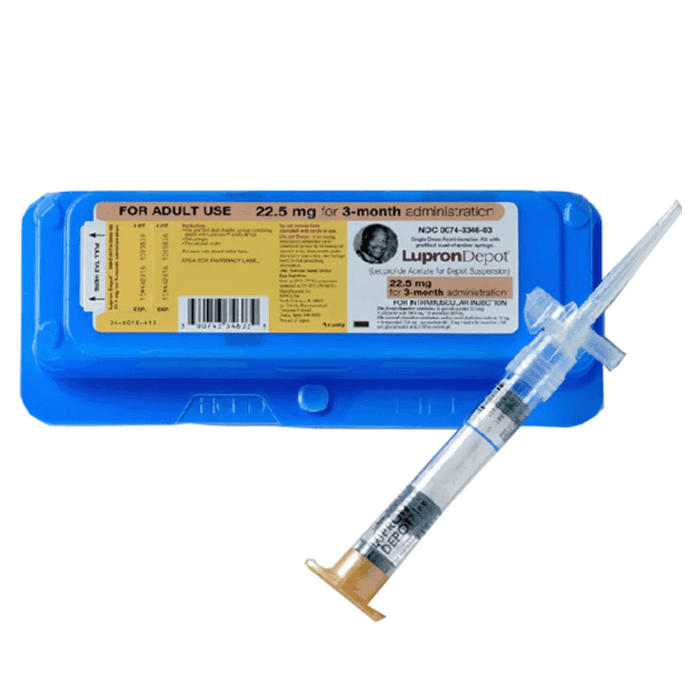
- Medication categories sometimes discussed, including fibroid medications and GnRH therapy for fibroids
How to Choose
Different care paths can make sense for different goals and symptoms. Uterine Fibroids can also overlap with other bleeding causes. That is why “what matters most” should be stated clearly in notes. Use this page to compare topics and organize questions for a visit.
Start with what is changing
- Bleeding pattern details, including clotting and cycle-to-cycle changes
- Pelvic pain and pressure, plus bowel or bladder pressure symptoms
- Fatigue or dizziness that could relate to anemia from fibroids
- Abdominal growth or an enlarged uterus noted on an exam
- Timing, such as new symptoms or a long-standing pattern
- What has already been tried, including non-prescription supports
Why it matters: Clear symptom notes help clinicians interpret imaging and labs faster.
Match options to personal goals
- Future pregnancy goals and fibroids and fertility concerns
- Current pregnancy status, including fibroids in pregnancy considerations
- Comfort with procedures versus medication-based approaches
- Recovery planning needs for work, caregiving, and travel
- Interest in uterine-sparing approaches, when clinically appropriate
- Preference for stepwise changes versus a single definitive approach
It also helps to understand “location language.” Intramural fibroids grow within the uterine wall. Submucosal fibroids grow toward the uterine cavity and can link with bleeding. Subserosal fibroids grow outward from the uterus. Pedunculated fibroids grow on a stalk, inside or outside the uterus.
Safety and Use Notes
Symptoms can be disruptive, but safety still comes first. New heavy bleeding, fainting, or severe pain can need urgent assessment. Pregnancy-related bleeding needs prompt evaluation as well. These notes are not a triage tool, but they can help frame discussions.
Fibroids may be confused with other issues on symptoms alone. For example, fibroids vs polyps is a common point of confusion. Polyps are usually tissue growths in the uterine lining. Imaging and exams help clarify what is most likely.
- Medication choices may depend on blood pressure, clotting history, and migraine history
- Hormonal therapies can have side effects that deserve review and monitoring
- GnRH therapy for fibroids may be discussed for symptom control in some cases
- Anemia risk may call for lab checks and symptom follow-up
- Fertility plans can shape which procedures get discussed first
- Pelvic mass symptoms should be evaluated, even with a known history
Licensed U.S. clinicians review history and decide what is appropriate.
When procedures come up, terms often include myomectomy (fibroid removal) and hysterectomy for fibroids (uterus removal). Other options may include uterine artery embolization, radiofrequency ablation for fibroids, or MRI-guided focused ultrasound. Which options are suitable can depend on fibroid size, location, and goals.
Access and Prescription Requirements
Some symptom-focused medications require a prescription and identity verification. Pharmacies also check for drug interactions and contraindications. If a medication is not appropriate, clinicians may recommend other evaluation steps instead.
For Uterine Fibroids, access often starts with documenting symptoms and prior testing. That may include ultrasound reports, MRI notes, or recent lab results. If telehealth is used, the visit is still a medical evaluation. Medispress offers flat-fee telehealth visits by video when available.
- Prescription products require a clinician’s assessment and a valid prescription
- Pharmacies may request additional information for safety checks
- Some states have specific rules for what can be prescribed remotely
- Cash-pay access is available in many cases, often without insurance
- Shipping, pickup, and availability can vary by medication and location
When needed, prescriptions may be coordinated through partner pharmacies under state rules.
For many people, the practical goal is fewer delays and clearer next steps. That can mean keeping records in one place and tracking changes over time. It can also mean understanding which symptoms suggest a follow-up visit is needed.
Related Resources
Bleeding changes often drive initial evaluation and follow-up planning. For nearby browsing, see the Abnormal Uterine Bleeding collection for overlapping symptom topics. For a plain-language overview, see ACOG uterine fibroids FAQ. For general background on symptoms and diagnosis, see MedlinePlus uterine fibroids summary.
Quick tip: Keep imaging summaries and lab dates ready for faster review.
Uterine Fibroids can involve both symptom management and longer-term planning. This page is designed to make the language easier to follow. It also helps compare uterine fibroids diagnosis terms with treatment categories. Common next-step themes include watchful waiting for fibroids, medication discussions, and referrals for procedures when needed.
This content is for informational purposes only and is not a substitute for professional medical advice.

Find suitable medication for Uterine Fibroids

Book a telehealth visit to discuss Uterine Fibroids
Find a doctor
Speciality
State

Video Visit
$69

Video Visit
$69

Video Visit
$69

Video Visit
$69

Video Visit
$69

Video Visit
$69

Speciality: Dermatology, Family Medicine, Men's Health, Urgent Care, Women's health
Speaks: English, Spanish, French, Arabic, Portuguese
Video Visit
$69

Video Visit
$69

Video Visit
$69

Video Visit
$69

Video Visit
$69

Video Visit
$69
Frequently Asked Questions
What are uterine fibroids and how are they diagnosed?
Uterine fibroids are noncancerous growths of muscle and tissue in the uterus. Diagnosis usually combines symptoms, a pelvic exam, and imaging. Ultrasound is often used as an initial test. MRI may be used to map size and location in more detail. Reports may describe location, such as intramural, submucosal, or subserosal. A clinician interprets these findings alongside bleeding patterns, pain, and anemia risk.
What symptoms are commonly linked to fibroids?
Symptoms vary widely, and some people have no symptoms. Common concerns include heavy or prolonged menstrual bleeding, pelvic pressure, and cramping. Some people notice frequent urination, constipation, or back discomfort from pressure effects. If bleeding is heavy, iron-deficiency anemia can develop and cause fatigue or dizziness. Because symptoms overlap with other conditions, evaluation matters. A clinician can help connect symptoms with exam and imaging results.
What treatment options might be discussed for fibroids?
Treatment discussions often start with goals and symptom severity. Options may include watchful waiting with periodic follow-up. Medication approaches can focus on bleeding control or hormonal regulation. Procedure options can include myomectomy, uterine artery embolization, or ablation methods in selected cases. Hysterectomy is sometimes discussed for definitive treatment. The best-fit option depends on fibroid type, location, anemia, and fertility goals. A clinician guides these decisions.
Can fibroids affect fertility or pregnancy?
Fibroids can affect fertility or pregnancy in some situations, but not always. Location can matter, especially when growths change the uterine cavity shape. Submucosal fibroids are more often discussed in this context. During pregnancy, fibroids may contribute to pain, bleeding, or growth changes. Management choices should be individualized and closely supervised. Anyone who is pregnant or trying to conceive should discuss imaging results and risks with an OB-GYN clinician.
What information helps a clinician review my case online?
Organized records help clinicians understand the timeline quickly. Useful items include symptom notes, cycle dates, bleeding severity, and pain patterns. Include prior ultrasound or MRI summaries and the dates they were done. Lab results that relate to anemia, like hemoglobin, can also help when available. List all medications and supplements, plus allergies and past procedures. If there are fertility goals, note timing and any prior evaluations.