


Urge Urinary Incontinence
Care Options for Urge Urinary Incontinence
Sudden urinary urgency can interrupt work, sleep, and social plans. When leaks follow the urge, it often points to overactive bladder (OAB). This browse page focuses on Urge Urinary Incontinence and related support resources.
It can also help clarify urge vs stress incontinence, which feel different. Stress leakage often happens with coughing, laughing, or lifting. Urge leakage tends to follow a strong, hard-to-delay urge.
Medispress offers video visits with licensed U.S. clinicians, where available. This collection is for browsing and learning, not self-diagnosis. A clinician can help connect symptoms, history, and next steps.
Urge Urinary Incontinence What You’ll Find
This category page brings together common care pathways for OAB-type symptoms. It is built for patients and caregivers who want clear comparisons. Expect plain-language explanations alongside clinical terms.
Many plans start with non-surgical treatments for OAB, like bladder training and pelvic floor exercises. Some people also explore pelvic floor physical therapy for coaching and feedback. When prescription therapy is part of care, clinicians may discuss anticholinergic medications for OAB or beta-3 agonists such as mirabegron.
Some care plans also consider botox for overactive bladder, tibial nerve stimulation, or sacral neuromodulation. These options are not right for everyone, and availability varies. For broader browsing across leakage types, visit Urinary Incontinence.
- Common definitions, including urinary urgency and urinary frequency management
- Examples of urge incontinence symptoms and patterns like nocturia and urgency
- High-level urge incontinence treatment options, from habits to prescriptions
- Notes that can help structure a clinician conversation
- Links to general wellness topics that can affect bladder symptoms
How to Choose
Different people notice different triggers, schedules, and daily impacts. A clinician may describe Urge Urinary Incontinence after reviewing symptoms and timing. This checklist can help compare options and questions.
Match options to the pattern
- When urgency happens most, such as daytime, nighttime, or both
- How often leakage follows urgency, and how much it affects routines
- Possible bladder irritants to avoid, like caffeine, alcohol, and carbonation
- Any constipation, which can worsen bladder pressure and urgency
- Mobility barriers that make “getting to the bathroom” harder
Quick tip: A short symptom diary can make clinician discussions clearer.
Consider life stage and context
- Women and urge incontinence topics, including postpartum or menopause changes
- Male urge incontinence context, including prostate history and medications
- Care needs for older adults, including fall risk from nighttime trips
- Coexisting conditions like diabetes that can affect urinary frequency
- Daily activity goals and realistic lifestyle changes for bladder control
For broader wellness context, browse Women’s Health At Every Age, Men’s Health Guide, and Senior Health Tips.
Safety and Use Notes
Bladder symptoms can overlap with other issues, including infections or certain medicines. That is one reason evaluation matters, especially with new symptoms. A clinician can also help sort urinary urgency from pain, blood in urine, or fever.
For Urge Urinary Incontinence, treatment discussions often include benefits and tradeoffs. Anticholinergic medications may cause dry mouth, constipation, or blurry vision. Beta-3 options may not fit everyone with certain heart conditions. Procedure-based options, like bladder botulinum toxin injections, have their own risks and follow-up needs.
Why it matters: Side effects can affect daily function, sleep, and hydration choices.
Visits through Medispress take place in a secure, HIPAA-compliant app. That helps protect health details shared during sensitive conversations. For sudden or severe symptoms, some people may prefer Urgent Care for faster in-person evaluation.
Access and Prescription Requirements
Prescription medicines for OAB require a clinician’s assessment and approval. Many people use cash-pay options, often without insurance, depending on circumstances. Some medications also have age, interaction, or monitoring considerations that affect selection.
Medication access can involve practical steps beyond the clinical choice. These can include confirming identity, verifying the correct pharmacy, and reviewing refill rules. When clinically appropriate, Medispress clinicians can coordinate prescriptions with partner pharmacies, subject to state regulations.
Urge Urinary Incontinence plans may also include non-medication supports. These can include bladder training, kegel exercises for urge incontinence, or referral for pelvic floor physical therapy. A clinician can help align goals, risks, and daily routines.
Related Resources
Many people find that bladder control fits into a bigger wellness picture. Weight changes, sleep disruption, and nicotine use can shift urinary patterns. Urge Urinary Incontinence can also feel more stressful during busy seasons or travel.
For lifestyle support you can browse alongside this category page, see Common Weight Loss Mistakes and Exercise And Heart Health. For metabolic health context, review Exercises For Diabetes. For nicotine-related goals, browse Quit Smoking Safely.
For neutral medical overviews, see NIDDK’s urinary incontinence overview and Mayo Clinic’s overactive bladder page.
This content is for informational purposes only and is not a substitute for professional medical advice.

Find suitable medication for Urge Urinary Incontinence
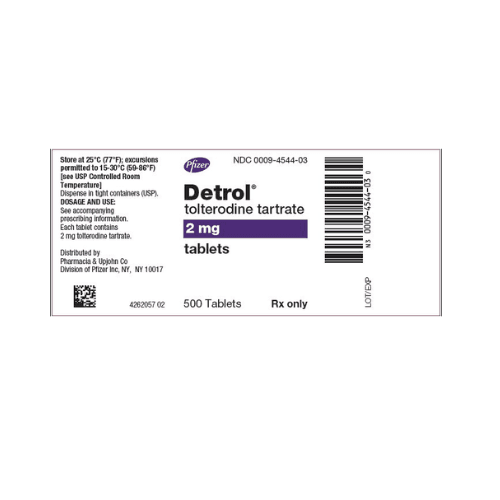
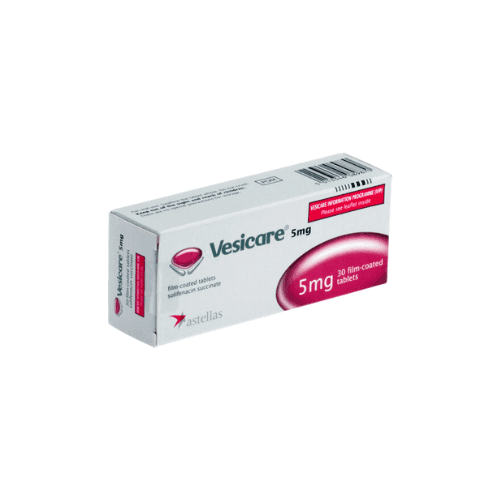
Book a telehealth visit to discuss Urge Urinary Incontinence
Find a doctor
Speciality
State

Video Visit
$69

Video Visit
$69

Video Visit
$69

Video Visit
$69

Video Visit
$69

Video Visit
$69

Speciality: Dermatology, Family Medicine, Men's Health, Urgent Care, Women's health
Speaks: English, Spanish, French, Arabic, Portuguese
Video Visit
$69

Video Visit
$69

Video Visit
$69

Video Visit
$69

Video Visit
$69

Video Visit
$69
Frequently Asked Questions
What is the difference between urge and stress incontinence?
Urge incontinence is leakage that follows a sudden, hard-to-delay urge. It is often discussed under overactive bladder (OAB). Stress incontinence is leakage with pressure, such as coughing or lifting. Some people have features of both, called mixed incontinence. A clinician can help sort the pattern using symptom timing and history. This matters because the most useful care options can differ.
What information is helpful to track before discussing urinary urgency?
A simple record can make discussions more specific and efficient. Many people track when urgency happens, how often leakage occurs, and nighttime bathroom trips. Notes about fluids, caffeine, alcohol, and constipation can also help. Listing current medicines and supplements is important for interaction screening. If using this site, it also helps to note preferred pharmacy details for coordination.
What treatment types might be discussed for overactive bladder symptoms?
Clinicians often start with non-surgical treatments for OAB. These can include bladder training, pelvic floor exercises, and lifestyle changes for bladder control. If symptoms persist, prescription options may be considered, including anticholinergic medicines or beta-3 agonists like mirabegron. Some patients may discuss procedures, such as bladder botulinum toxin injections or nerve stimulation. The best fit depends on risks, goals, and medical history.
Can urge incontinence symptoms overlap with other conditions?
Yes, urinary urgency and frequency can have several causes. Some overlap with urinary tract infection symptoms, bladder irritation, or medication effects. Pelvic organ changes and prostate issues can also affect bladder control. Because of that overlap, clinicians often focus on red flags and the full symptom story. New blood in urine, fever, or severe pain needs prompt medical evaluation.
How does this category page relate to telehealth and prescriptions?
This category page is meant for browsing and learning. It can help compare common terms, options, and typical decision points. If telehealth is used, licensed U.S. clinicians evaluate symptoms during a video visit. Clinicians make the medical decisions, including whether any prescription is appropriate. When a prescription is used, it is sent to a pharmacy based on clinical judgment and state rules.