


Ulcerative Colitis
Care Options for Ulcerative Colitis
This category page organizes medication and access information for Ulcerative Colitis. It is written for patients and caregivers who are comparing options. The listings focus on prescription therapies, from anti-inflammatories to biologics. Each medication page explains what a drug is and key safety warnings. The goal is easier browsing and better conversations with a clinician.
UC is a type of inflammatory bowel disease (IBD) that affects the colon. Symptoms can include rectal bleeding, chronic diarrhea, and abdominal pain. Some people have inflammation limited to the rectum, called ulcerative proctitis. Others have left-sided colitis or more extensive pancolitis. Care often aims for symptom control and remission, while monitoring complications.
Ulcerative Colitis: What You’ll Find
This browse page groups medication profiles that may come up in IBD care. Many options fall under 5-ASA drugs (anti-inflammatory medicines for the colon). Examples include Mesalamine, plus branded versions like Pentasa and Salofalk. Some listings describe oral forms, such as tablets or capsules. Other listings cover rectal forms used for distal disease, such as Pentasa Enema or Salofalk Suppositories.
Each medication page focuses on practical details for comparison. That usually includes drug class, how it is given, and common side effects. Pages also summarize major warnings and interaction concerns. Some entries cover medicines used for short-term symptom control in certain cases. The pages do not replace a clinician’s assessment or personalized plan.
- Medication overviews, including common forms and routes
- Plain-language safety highlights and key warning themes
- Notes that can affect eligibility, like infection risk cautions
- General comparisons across classes, like 5-ASA versus biologics
- Administrative notes about prescription requirements and verification
Medispress visits happen by video in a HIPAA-secure app.
How to Choose
Start by scanning the options by route and form. Oral pills, rectal therapies, and injections each bring different considerations. Some pages focus on maintenance therapy, while others cover short courses. It also helps to note whether a medicine is a brand or generic.
For Ulcerative Colitis, selection discussions often relate to disease extent and past response. That context can shape which listings are most relevant. It may also change what monitoring topics appear on each page. Comparing pages side by side can reduce confusion during follow-up care.
Compare key details across listings
- Route of administration and how often dosing is typically discussed
- What the medication is generally used for in IBD care
- Common side effects versus serious warning categories
- Drug interactions and contraindications (reasons it may not fit)
- Handling needs, like refrigeration for some injectables
- What to track for follow-up, such as symptom changes and labs
Quick tip: Save a short list of pages to review later.
Topics to raise with a clinician
- How benefits and risks change across drug classes
- Whether rectal therapy, oral therapy, or both are being considered
- How long a bridge therapy might be used alongside maintenance
- How to handle missed doses and refill timing questions
- How other conditions, like pregnancy, affect medication choices
Some people also compare older anti-inflammatory options, like Dipentum, with more commonly used agents. Others review steroid information, such as Prednisone, to understand warning themes. These pages support informed questions, not self-directed changes.
Safety and Use Notes
Many therapies used in IBD care can affect immune activity. That can increase infection risk or change vaccine planning. Steroids can also affect blood sugar, mood, and bone strength. Medication pages aim to explain these topics in clear language.
Safety considerations matter in Ulcerative Colitis because long-term control often involves tradeoffs. Biologics (immune-targeting medicines) may require extra screening steps. These listings can help clarify what those steps mean. They can also explain why follow-up schedules may vary by drug class.
- Do not stop or restart prescription therapy without clinical guidance
- Report new fever, severe fatigue, or unusual bruising promptly
- Ask how vaccinations and travel plans fit with immune therapies
- Review medication lists for interactions, including supplements
- Know urgent red flags, like severe abdominal pain or dehydration
Why it matters: Warning labels can differ even within the same class.
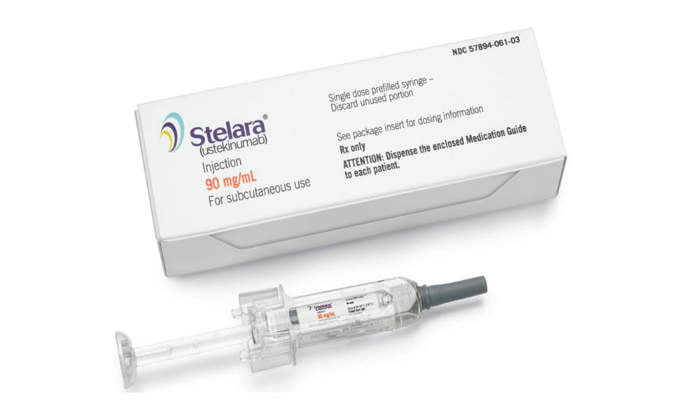
Some listings describe injectable options like Humira or Stelara Prefilled Syringe. These pages may include storage notes and handling reminders. Other pages may discuss complications in general terms, including toxic megacolon (dangerous colon swelling). For diagnosis and monitoring, clinicians may reference colonoscopy (camera exam of the colon) and labs.
Licensed U.S. clinicians review history and decide which options fit.
Access and Prescription Requirements
Most medications listed here require a prescription and pharmacy verification. Requirements can differ by drug class and state regulations. Some therapies may involve specialty pharmacy workflows or extra documentation. Insurance rules can also vary, but cash-pay access is sometimes available without insurance.
Access steps for Ulcerative Colitis can look different for oral, rectal, and injectable options. Many people start by gathering key health details in one place. That includes a current medication list and allergy history. It may also include recent procedure summaries, if available. Having accurate information supports safer prescribing decisions.
- Create an account to keep medication pages and notes together
- Schedule a video visit if clinical review is needed
- Share relevant history, including prior therapies and side effects
- Confirm dispensing details, since some drugs use partner pharmacies
- Expect prescription checks where required, including identity verification
When appropriate, clinicians can coordinate prescriptions through partner pharmacies, by state rules.
Related Resources
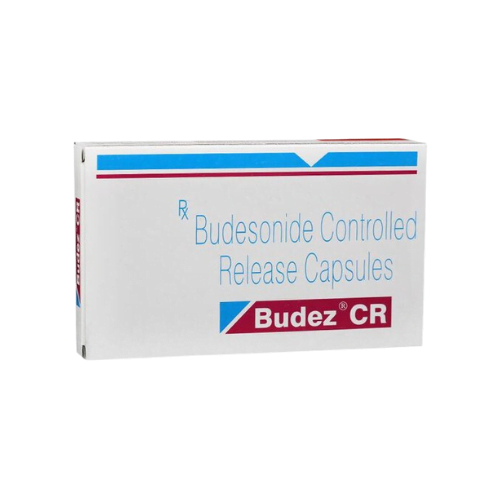
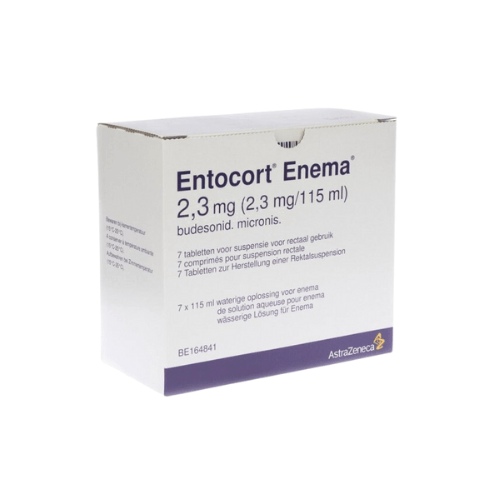
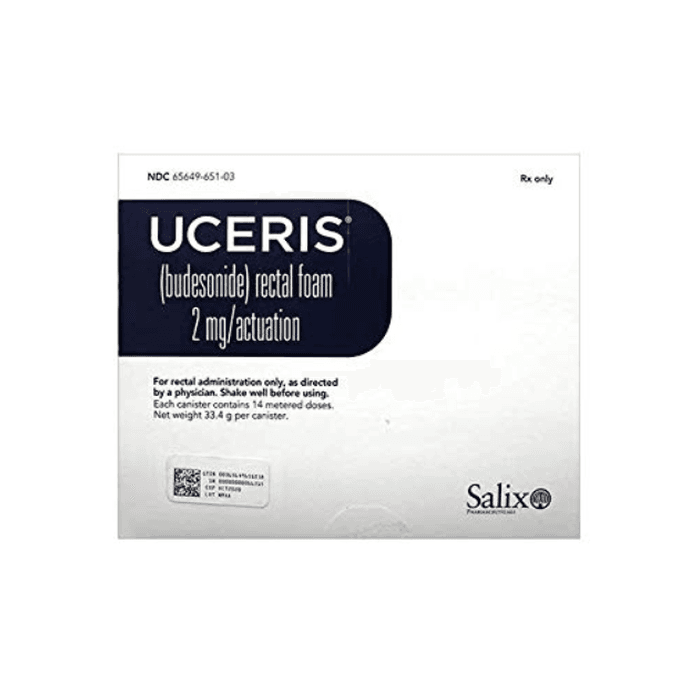
Use this collection to keep related pages within easy reach. That can help when comparing maintenance options versus short-term symptom control. It can also help when reviewing different routes, like rectal therapy versus oral therapy. For some steroid-sparing discussions, clinicians may mention budesonide products, such as Entocort. Not every option fits every clinical scenario, so context matters.
For an overview of condition basics, see NIDDK on ulcerative colitis. For patient education and support resources, see Crohn’s & Colitis Foundation information. These references can help with terms like remission, flare-ups, and complications.
This content is for informational purposes only and is not a substitute for professional medical advice.

Find suitable medication for Ulcerative Colitis


Book a telehealth visit to discuss Ulcerative Colitis
Find a doctor
Speciality
State

Video Visit
$69

Video Visit
$69

Video Visit
$69

Video Visit
$69

Video Visit
$69

Video Visit
$69

Speciality: Dermatology, Family Medicine, Men's Health, Urgent Care, Women's health
Speaks: English, Spanish, French, Arabic, Portuguese
Video Visit
$69

Video Visit
$69

Video Visit
$69

Video Visit
$69

Video Visit
$69

Video Visit
$69
Frequently Asked Questions
What will I see on the Ulcerative Colitis category page?
This browse page groups medication information that may be discussed for UC care. Each listing typically explains what the medicine is, how it is given, and major warning themes. Some listings focus on oral tablets or capsules. Others cover rectal options, like enemas or suppositories. Some pages describe injectable biologics and handling considerations. The goal is to support comparison and planning for a clinician discussion.
How do I compare rectal and oral medication listings?
Rectal and oral therapies differ mainly by route and local effect. Rectal forms may be discussed when inflammation involves the rectum or lower colon. Oral forms may be used for broader colon involvement, depending on the drug. The medication pages can help compare form, common side effects, and practical handling notes. A clinician can explain how disease extent and symptoms affect the choice.
Can telehealth be used to discuss ongoing IBD care?
Telehealth can work well for many follow-up needs, like reviewing symptoms and medication tolerance. It may also help with refills and treatment planning when records are available. Some situations still need in-person evaluation, including severe symptoms or complications. On Medispress, visits take place by video, and licensed clinicians make clinical decisions. When appropriate, prescriptions may be coordinated through partner pharmacies, depending on state rules.
What information helps with prescription verification?
Prescription verification works best when details are accurate and current. It helps to have a complete medication list, including over-the-counter products and supplements. Allergy history and past side effects also matter. People often share prior diagnosis notes or procedure summaries when available. Pharmacies may also confirm identity and contact details. These steps support safer dispensing and reduce avoidable delays.
When is urgent medical evaluation recommended during a flare?
Urgent evaluation is recommended for severe abdominal pain, confusion, fainting, or signs of dehydration. Heavy bleeding, persistent vomiting, or a high fever can also signal a serious problem. Some complications, like toxic megacolon, require emergency care. Worsening symptoms in pregnancy or in children also deserve prompt attention. Medication pages can explain warning signs, but they cannot assess severity or provide emergency guidance.