


Type 2 Diabetes
Care Options for Type 2 Diabetes
Managing Type 2 Diabetes can involve medications, monitoring, and daily routines. This Medispress collection supports browsing and learning in one place.
The information here is designed for patients and caregivers planning next steps. It focuses on practical topics like symptoms, diagnosis terms, and treatment options.
Some people want a simple overview of causes and risk factors. Others want a clear view of medication classes, including metformin, GLP-1 medicines, SGLT2 inhibitors, and insulin. The goal is clarity, not a one-size plan.
Type 2 Diabetes: What You’ll Find
This browse page brings together condition-aligned items and explanations in plain language. It can help make sense of hyperglycemia (high blood sugar) and why it happens over time.
Expect side-by-side context for common terms seen in care, like A1C, fasting glucose, and post-meal readings. You will also see practical definitions for complications, like neuropathy (nerve damage) and diabetic kidney disease.
Medispress visits are video appointments with licensed U.S. clinicians.
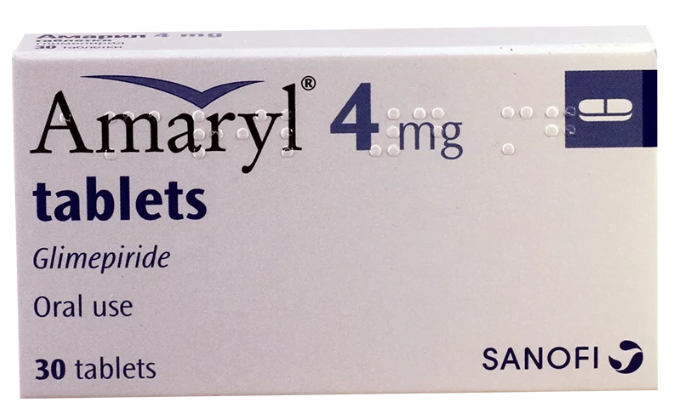
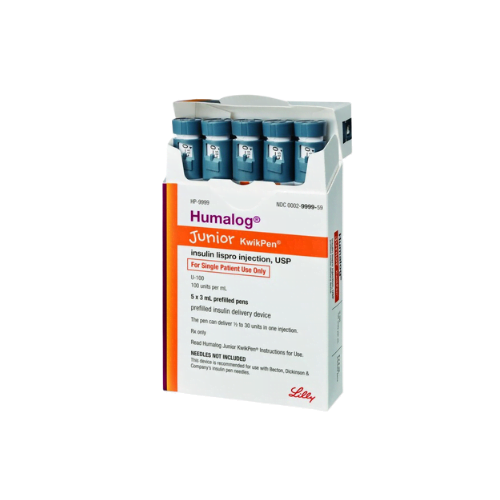
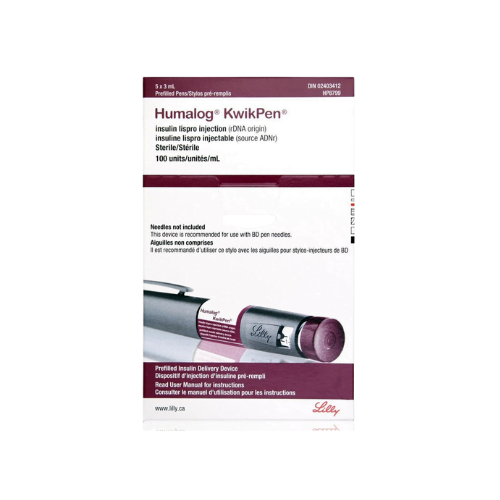
When medications are listed, details typically include the drug class and typical use patterns. Some listings also note administration style, such as tablets versus injections. Storage and handling notes may appear when they matter.
- Overviews of medication classes and how they differ
- Common side effects and interaction considerations to discuss
- Type 2 diabetes symptoms, risk factors, and diagnosis language
- Monitoring terms, including continuous glucose monitor basics
- Diet and activity concepts that support long-term management
How to Choose
Comparisons work best when the same details are reviewed across options. For Type 2 Diabetes, clinicians often weigh benefits, risks, and fit.
Use this section as a checklist while browsing the collection. It can also help organize questions for a clinical visit.
Compare options using a consistent checklist
- How the medicine is taken, such as pill, pen, or vial
- Dosing cadence, like daily versus weekly schedules
- Common side effects to watch for and report
- Known interaction risks with current medications and supplements
- Kidney and liver considerations that may affect eligibility
- Low blood sugar risk, especially with insulin and sulfonylureas
- Weight change considerations, when relevant to overall goals
- Cost planning, including cash-pay options often without insurance
- Monitoring needs, such as fingersticks versus sensor-based tracking
Why it matters: The best fit depends on medical history and daily routines.
Questions that support a clearer visit
- Which outcomes matter most right now, like A1C trends or symptoms
- Which warning signs should prompt a call or urgent care
- How to handle missed doses, based on the official label
- Whether a nutrition plan or diabetes education program is appropriate
- How often follow-up is usually needed to reassess progress
Safety and Use Notes
Medication safety starts with clear expectations and careful follow-through. Labels and clinician guidance are the best sources for individualized decisions.
Safety questions for Type 2 Diabetes often include low blood sugar and dehydration. Some medicines can also affect kidneys, blood pressure, or appetite.
Appointments use a secure, HIPAA-compliant Medispress app for messaging and video.
Side effects can range from mild stomach upset to serious symptoms. A clinician can help interpret what is expected versus concerning. Always report severe symptoms, allergic reactions, or rapid changes in wellbeing.
- Check whether medicines should be taken with food or on empty stomach
- Confirm storage rules, especially for injectable medicines
- Review alcohol use, since it can affect glucose stability
- Ask about sick-day planning for vomiting, fever, or poor intake
- Discuss pregnancy and breastfeeding status before starting medicines
- Clarify how to prevent duplicate therapy across similar drug classes
Clinical standards are summarized in the ADA Standards of Care.
Access and Prescription Requirements
Many diabetes medicines require a valid prescription and pharmacy verification. Some non-prescription supplies may still have eligibility rules or quantity limits.
Access planning for Type 2 Diabetes often includes paperwork basics and timing. Telehealth visits on Medispress are offered as a flat-fee option, which can help when coverage is limited or without insurance.
Prescriptions may be coordinated with partner pharmacies, depending on state regulations.
Expect a review of medical history, current medications, and allergies before any prescription is issued. Clinicians make all clinical decisions, based on what is appropriate and safe.
- Create an account and complete the health intake forms
- Schedule a video visit if clinical review is needed
- Provide a current medication list and recent A1C results if available
- Confirm pharmacy details and identity verification when required
- Review refill rules and follow-up expectations for ongoing therapy
Quick tip: Keep photos of labels and devices for faster documentation.
Related Resources
When browsing Type 2 Diabetes information, it can help to compare nearby topics. These links support deeper reading and easier navigation across Medispress.
For broader educational browsing, start with the Diabetes Category. For care navigation by provider focus, see Diabetes Prevention And Management.
Some visitors also review related condition collections for context. Explore Type 1 Diabetes and Gestational Diabetes to understand how management goals can differ. For a rare-disease contrast, see Niemann Pick Disease Type C.
A plain overview appears on the CDC Type 2 Diabetes page.
This content is for informational purposes only and is not a substitute for professional medical advice.

Find suitable medication for Type 2 Diabetes

















Book a telehealth visit to discuss Type 2 Diabetes
Find a doctor
Speciality
State

Video Visit
$69

Video Visit
$69

Video Visit
$69

Video Visit
$69

Video Visit
$69

Video Visit
$69

Speciality: Dermatology, Family Medicine, Men's Health, Urgent Care, Women's health
Speaks: English, Spanish, French, Arabic, Portuguese
Video Visit
$69

Video Visit
$69

Video Visit
$69

Video Visit
$69

Video Visit
$69

Video Visit
$69
Frequently Asked Questions
What can I find on this Type 2 Diabetes category page?
This category page gathers practical resources in one place. It may include medication class overviews, safety notes, and common terms. It also covers plain-language topics like symptoms, causes, risk factors, and diagnosis wording. Content is meant to support browsing and better conversations with a clinician. If telehealth options are available, the page may explain the general access flow and prescription requirements.
Do diabetes medications require a prescription?
Many medications used to treat diabetes are prescription-only. A licensed clinician must determine whether a medication is appropriate. Pharmacies also verify prescriptions and patient details before dispensing. Some supplies may be available without a prescription, depending on the item and local rules. The safest approach is to review each listing’s requirements and confirm details during a clinical visit when needed.
How can I compare medication classes like metformin, GLP-1, and SGLT2 inhibitors?
Start by comparing the basics across classes. Look at how the medicine is taken, common side effects, and key warnings. Note whether the class has kidney or dehydration considerations, or a higher low blood sugar risk. Also compare interaction potential with current medicines. Use the page to organize questions, then rely on a clinician for individualized recommendations and monitoring plans.
What information should be ready for a telehealth visit about diabetes care?
Have a current medication list, including supplements and doses. Bring allergy history and any past side effects. If available, include recent A1C results and glucose logs. It also helps to note other diagnoses, like kidney disease or heart conditions. For the appointment itself, confirm the pharmacy details and ensure the device camera works. This preparation improves documentation and reduces avoidable delays.
When is low blood sugar an emergency?
Low blood sugar can become urgent when symptoms are severe or worsening. Examples include confusion, fainting, seizures, or inability to safely eat or drink. Emergency services are appropriate when a person cannot be safely monitored at home. For milder symptoms, follow the plan provided by the treating clinician and the medication’s official instructions. If there is any uncertainty, prompt medical evaluation is the safer choice.