


Type 1 Diabetes
Care Options for Type 1 Diabetes
Type 1 Diabetes can affect children, teens, and adults. It is often autoimmune diabetes, meaning the immune system attacks insulin-making cells. Many people want clear information, plus simpler ways to manage prescriptions. This browse page brings together practical resources and condition-aligned pharmacy options. It also highlights common terms, so pages feel easier to compare. Topics may include early warning signs, diagnosis terms, and daily management basics. Coverage also includes school planning, travel planning, and sick-day organization. Care decisions should always come from a licensed clinician.
This collection also connects to telehealth preparation and pharmacy access basics. Medispress supports video visits with licensed U.S. clinicians.
Type 1 Diabetes What You’ll Find
This category groups items and guidance commonly tied to insulin-dependent diabetes care. Some visitors start with “what is type 1 diabetes” basics. Others want help organizing refills, supplies, and device paperwork. Pages here aim to support those practical next steps.
Expect a mix of medication-focused navigation and education-first reading. That can include insulin therapy terms, like basal bolus insulin, explained in plain language. It can also cover blood glucose monitoring options, including continuous glucose monitoring. Device-related topics may reference insulin pump therapy and hybrid closed loop systems. Nutrition and routines may appear too, like carb counting, activity planning, and symptom logging.
- Condition overview and key terms, including the honeymoon phase and LADA
- Navigation to related diabetes collections, such as Type 2 Diabetes and Gestational Diabetes
- Guidance on common monitoring tools, including CGM comparison concepts
- Administrative help for refills, transfers, and prescription records
- Visit-planning resources for virtual care, including Telemedicine Services What To Expect
How to Choose
Different resources fit different moments. Some are best for learning. Others help compare practical options and paperwork needs. Type 1 Diabetes management also changes across life stages and routines. That includes type 1 diabetes in children, college years, and type 1 diabetes in adults.
Choosing education and planning resources
- Look for clear definitions of symptoms, like thirst, weight loss, and fatigue
- Check whether diagnosis language is explained, including A1C targets and timing
- Prefer resources that define C-peptide and autoantibodies (immune markers) once
- Prioritize sections on school diabetes care plan basics and caregiver coordination
- For pregnancy planning topics, choose pages that stay clinician-led and cautious
- Use visit-prep checklists for better notes during follow-ups and refills
Choosing pharmacy and device-related browsing
- Confirm whether a product is prescription-only or non-prescription
- Check compatibility notes for CGM sensors, readers, and phone apps
- Review handling basics, like storage limits and travel with insulin planning
- Look for plain-language safety reminders around hypoglycemia management
- For pump supplies, verify model details match the existing device paperwork
- Keep a current medication and supplies list for cleaner refill requests
Quick tip: Keep a single list of meds, devices, and prescriber details.
Safety and Use Notes
Safety topics matter because insulin can lower glucose quickly. Type 1 Diabetes materials often discuss both day-to-day lows and rare emergencies. Hypoglycemia can feel like shaking, sweating, confusion, or irritability. Diabetic ketoacidosis (DKA) is different and needs urgent attention. DKA prevention discussions may include “sick day rules” planning and hydration tracking.
Appointments use a secure, HIPAA-aligned app built for privacy.
Many guides also explain when symptoms may signal a problem beyond routine variability. That can include persistent vomiting, trouble breathing, severe confusion, or inability to keep fluids down. These are not do-it-yourself situations. They call for urgent evaluation through local emergency services.
- Use resources that distinguish hypoglycemia from DKA using plain terms
- Prefer pages that describe warning signs without giving dosing instructions
- Look for travel checklists that focus on organization, not treatment changes
- Choose guidance that reminds readers to follow an individualized care plan
Why it matters: Mixing up low glucose and DKA can delay urgent care.
For definitions and core facts, see the CDC type 1 diabetes basics. For living-with guidance, see the American Diabetes Association overview.
Access and Prescription Requirements
Some medications and supplies require a prescription, while others do not. Type 1 Diabetes browsing often includes both, depending on the item. Prescription-only products require a valid Rx and pharmacy verification. Refill timing, quantity limits, and substitution rules can vary by state. Clinicians can also request records when care is changing hands.
When appropriate, clinicians may send prescriptions to partner pharmacies under state regulations.
Cash-pay options may be available, often without insurance, depending on the pharmacy. For administrative basics, review Prescription Rx Basics. For cost-planning concepts that avoid unsafe shortcuts, see Prescription Savings Tips. Some people also use cash-pay, often without insurance, when coverage changes midyear.
- Keep the prescriber name, clinic phone, and prescription numbers available
- Store photos of insurance cards, if used, and a current medication list
- Track device model names for pump and CGM supply requests
- Expect identity and prescription checks when required by law
- Use one place to store visit summaries and updated problem lists
Related Resources
For broader context, browse the Diabetes Category for education-first reading. For care-navigation by specialty, see Diabetes Prevention And Management. Many people also compare what changes between pregnancy, type 2, and autoimmune forms.
If virtual visits are part of planning, use Telehealth Online Basics to understand common visit formats. For a practical preparation flow, use Virtual Doctor Visit Guide. If tech gets in the way, try Tech Troubles Tips before the appointment starts. These pages help keep the focus on questions and records, not logistics.
This content is for informational purposes only and is not a substitute for professional medical advice.

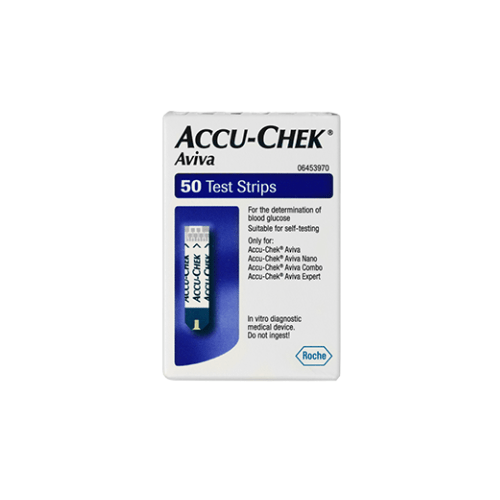
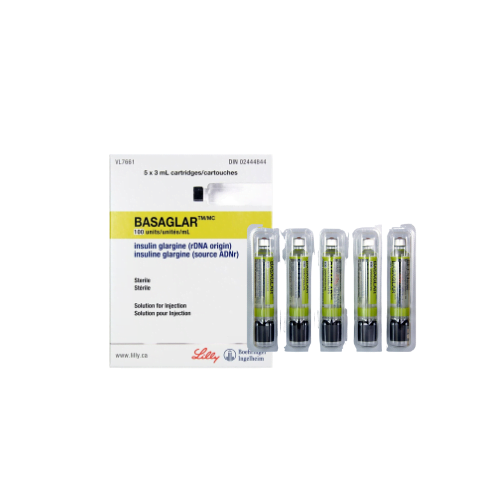
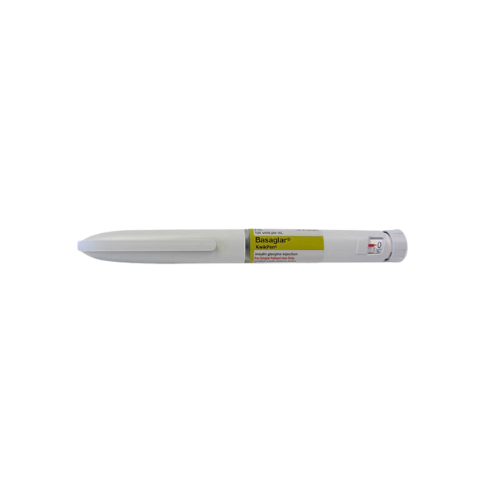
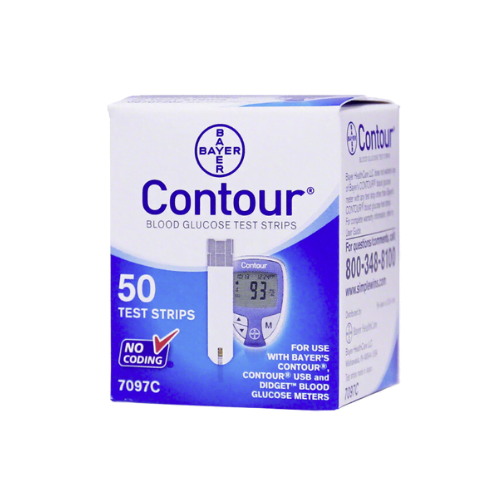
Find suitable medication for Type 1 Diabetes













Book a telehealth visit to discuss Type 1 Diabetes
Find a doctor
Speciality
State

Video Visit
$69

Video Visit
$69

Video Visit
$69

Video Visit
$69

Video Visit
$69

Video Visit
$69

Speciality: Dermatology, Family Medicine, Men's Health, Urgent Care, Women's health
Speaks: English, Spanish, French, Arabic, Portuguese
Video Visit
$69

Video Visit
$69

Video Visit
$69

Video Visit
$69

Video Visit
$69

Video Visit
$69
Frequently Asked Questions
What does this Type 1 Diabetes category page cover?
This page groups practical resources tied to insulin-dependent diabetes care. It may include pharmacy navigation, care-planning basics, and plain-language definitions. Many visitors use it to compare monitoring options and device terms. Others use it to find refill and prescription access guidance. Some links lead to related diabetes collections and specialty browse pages. The goal is smoother browsing and better understanding of common terms.
How is type 1 diabetes different from type 2 diabetes?
Type 1 diabetes is often autoimmune, with low or absent insulin production. Type 2 diabetes is usually driven by insulin resistance, and insulin levels vary. Both conditions can involve high blood glucose and long-term risks. The daily medication plan and monitoring approach can differ. Some adults have slower-onset autoimmune diabetes, sometimes called LADA. A clinician uses history and lab work to confirm the diagnosis.
What should I prepare before scheduling a virtual diabetes visit?
Bring a current medication and supplies list, including device model names. Include recent pharmacy names and the prescriber’s contact details. If using a CGM or pump, have app login details ready. Write down the main questions to cover during the visit. If visit notes exist, keep them in one place. This improves documentation and helps the clinician focus on the main concerns.
What does prescription verification mean for pharmacy orders?
Prescription verification is a set of checks required for many prescription items. Pharmacies confirm that the prescription is valid and appropriately issued. They may also confirm patient identity and basic details. Some products have extra handling or documentation rules. State regulations can affect what is required and how transfers work. If anything does not match, a pharmacy may request clarification from the prescriber.
When is diabetic ketoacidosis an emergency?
Diabetic ketoacidosis, or DKA, is a medical emergency that needs urgent care. It can involve nausea, vomiting, belly pain, fast breathing, and severe fatigue. Confusion, fainting, or inability to keep fluids down are serious signs. DKA differs from mild high glucose and cannot be handled with home troubleshooting. If DKA is suspected, emergency services should be used right away. A clinician can explain personal risk factors and warning signs.