


Tuberous Sclerosis Brain Tumor
Care Options for Tuberous Sclerosis Brain Tumor
This category page covers common topics tied to Tuberous Sclerosis Brain Tumor care. It is written for patients, families, and caregivers managing tuberous sclerosis complex (TSC). It highlights brain findings like cortical tubers (areas of changed brain tissue) and subependymal nodules (small growths near brain ventricles).
Many questions center on subependymal giant cell astrocytoma (SEGA), a usually slow-growing tumor. SEGA can block fluid flow and contribute to hydrocephalus (fluid buildup). This collection also covers epilepsy and tuberous sclerosis, learning changes, and planning follow-up visits.
Medispress supports browsing condition collections and related prescription options. Visits can be scheduled by video with licensed U.S. clinicians. For broader context, browse Tuberous Sclerosis.
Tuberous Sclerosis Brain Tumor What You’ll Find
This browse page brings together practical definitions and care-navigation basics. It also surfaces pharmacy-related information when medications are part of care. The goal is to make clinical terms easier to understand and compare.
Expect plain-language explanations of imaging findings in TSC and what clinicians often track. That includes brain MRI tuberous sclerosis terminology, growth trends, and symptom patterns. It also introduces treatment options for TSC brain tumors, including mTOR inhibitor therapy and surgery discussions.
- Common TSC brain findings and what they are called
- SEGA brain tumor overview and monitoring growth over time
- Typical tuberous sclerosis brain tumor symptoms to document for visits
- How tuberous sclerosis brain tumor diagnosis is made and recorded
- Management of SEGA topics, including hydrocephalus risk signals
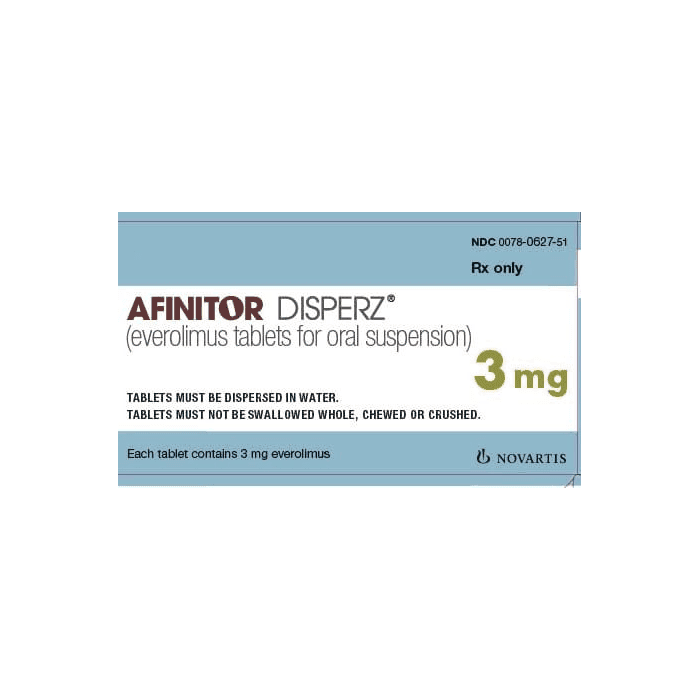
- Medication class overviews, including everolimus treatment context
- Care-team roles in pediatric neuro-oncology TSC and adult follow-up
How to Choose
Different resources fit different stages of care. A good match depends on the brain finding and current follow-up plan. This section can help organize what to compare before booking or refilling.
For Tuberous Sclerosis Brain Tumor, it helps to keep imaging notes and symptoms aligned. That makes conversations clearer across neurology, neuro-oncology, and neurosurgery. It can also reduce repeated paperwork across clinics.
Match resources to the brain finding
- Imaging label used in reports, such as SEGA or subependymal nodules
- Any mention of ventricular enlargement or possible CSF blockage
- History of seizures, rescue plans, and current anti-seizure medicines
- Notes on neurocognitive effects in TSC, including school supports
- Age group needs, since pediatric and adult follow-up can differ
- Whether prior care referenced tuberous sclerosis clinical guidelines
Quick tip: Keep one folder for MRI reports, visit notes, and medication lists.
Prepare for specialist discussions
- Questions about brain tumor surveillance TSC schedules and imaging frequency
- How clinicians track progression on serial scans and symptom logs
- What labs or monitoring may be needed for certain medicines
- How potential drug interactions are screened during refills
- When a referral to TSC centers may be considered for complex cases
Safety and Use Notes
Information here supports education and safer navigation, not self-treatment. Some symptoms need prompt evaluation, especially with known ventricular blockage risks. Examples include worsening morning headaches, repeated vomiting, or sudden sleepiness.
Tuberous Sclerosis Brain Tumor discussions often include both medicines and procedures. mTOR inhibitor therapy can require careful review of infections, vaccines, and lab monitoring. Neurosurgery for SEGA may be discussed when growth affects fluid pathways or symptoms change.
Why it matters: Consistent MRI comparisons can prevent missed changes between separate health systems.
Appointments run in a secure, HIPAA-compliant mobile app.
- Bring a current medication list, including supplements and OTC products
- Share allergy history and prior side effects, if they were documented
- Note any changes in seizure patterns, sleep, or school performance
- Flag any prior genetic findings, including TSC1 TSC2 mutations, if known
- Ask clinicians how imaging findings in TSC are interpreted in reports
See FDA everolimus labeling for approved SEGA use: FDA everolimus labeling.
See the TSC Alliance overview for plain-language background: TSC Alliance overview.
Access and Prescription Requirements
Some items in this collection may require a prescription and identity checks. Prescription medications must be reviewed and authorized by a licensed clinician. Pharmacies also verify prescription details before dispensing.
Coverage and payment options vary, including cash-pay pathways that are often without insurance. Tuberous Sclerosis Brain Tumor care may involve specialty medicines with extra verification steps. Those steps can include diagnosis documentation, recent notes, and monitoring plans.
When appropriate, clinicians can route prescriptions to partner pharmacies, per state rules.
- Have a list of current pharmacies, in case transfers are needed
- Upload prior brain MRI reports when available for clinician review
- Keep dates of past surgeries, shunts, or hospitalizations handy
- Share recent labs if they relate to medication safety monitoring
- Confirm contact details, so pharmacies can complete verification calls
Related Resources
Some families start by reviewing the broader condition background in Tuberous Sclerosis. Others compare neurologic care topics across condition collections, such as Multiple Sclerosis and Relapsing Multiple Sclerosis. For a general reminder on urgent symptom patterns outside neurology, see Heart Disease Warning Signs.
If this page is being used to organize next steps, keep notes consistent across visits. That can help when discussing prognosis in tuberous sclerosis tumors and long-term planning. This collection also supports patient education TSC brain tumors, with terms that match common clinic language for Tuberous Sclerosis Brain Tumor.
This content is for informational purposes only and is not a substitute for professional medical advice.

Find suitable medication for Tuberous Sclerosis Brain Tumor
Book a telehealth visit to discuss Tuberous Sclerosis Brain Tumor
Find a doctor
Speciality
State

Video Visit
$69

Video Visit
$69

Video Visit
$69

Video Visit
$69

Video Visit
$69

Video Visit
$69

Speciality: Dermatology, Family Medicine, Men's Health, Urgent Care, Women's health
Speaks: English, Spanish, French, Arabic, Portuguese
Video Visit
$69

Video Visit
$69

Video Visit
$69

Video Visit
$69

Video Visit
$69

Video Visit
$69
Frequently Asked Questions
What types of information are included on this category page?
This category page combines condition education with practical browsing details. It covers common TSC brain findings, MRI terms, and how reports describe growth. It may also reference medication classes used in care, plus safety context and monitoring basics. When prescriptions are relevant, it explains administrative steps like verification and documentation. The focus is on clearer navigation for patients and caregivers, not on self-diagnosis or treatment decisions.
What does SEGA mean in tuberous sclerosis complex?
SEGA stands for subependymal giant cell astrocytoma. It is a brain tumor that can occur in tuberous sclerosis complex. Many SEGAs grow slowly, but location matters. Because SEGAs can form near fluid pathways, clinicians often watch for signs of blockage. Reports may also mention ventricles, hydrocephalus, or interval growth on MRI. A clinician can explain what the wording means in a specific report.
How are TSC-related brain tumors usually monitored?
Monitoring often relies on brain MRI reports and symptom history. Clinicians compare current imaging with prior scans to check for growth. Notes may also track seizures, headaches, learning changes, and sleep issues. Some plans involve a set surveillance schedule based on age and findings. This page explains common terms used in surveillance discussions. A treating team decides the right follow-up approach for each person.
When is a prescription required for medications mentioned here?
Prescription status depends on the specific medication. Many treatments discussed for TSC-related brain tumors are prescription-only. If a prescription is needed, a licensed clinician must evaluate and authorize it. Pharmacies then confirm the prescription and required details before dispensing. Some medications may involve additional documentation or monitoring notes. This page outlines those administrative expectations in plain language.
How does telehealth fit into care navigation on Medispress?
Telehealth can support access to licensed clinician review when appropriate. On Medispress, visits take place by video in a secure app. Clinicians make all medical decisions based on the information available. When a prescription is clinically appropriate, providers may coordinate options through partner pharmacies. Rules can vary by state and medication type. Telehealth is one part of care coordination and does not replace emergency services.