


Tuberous Sclerosis
Care Options and Resources for Tuberous Sclerosis
Tuberous Sclerosis is a genetic condition that can affect many organs. It is also called tuberous sclerosis complex (TSC). People may have brain, skin, kidney, heart, lung, or eye findings. Needs can change over time, from childhood through adulthood. This category page helps patients and caregivers compare care-related resources in one place.
Visits are by video with licensed U.S. clinicians in a HIPAA-compliant app.
Use this page to browse educational context, common terms, and access notes. It is built for practical planning and safer navigation. It is not meant to replace specialty care or urgent evaluation.
Tuberous Sclerosis: What You’ll Find
This collection focuses on everyday browsing needs for TSC. It brings together condition-aligned medication and care information, when available. It also highlights terms that often appear in records and imaging reports. Examples include cortical tubers (brain areas of altered development) and renal angiomyolipoma (a usually benign kidney tumor).
Some care plans may involve seizure management and developmental support. Others focus on skin findings in tuberous sclerosis, like facial angiofibromas (small red bumps). Some patients are monitored for cardiac rhabdomyoma (a heart tumor seen in infants). In adults, lymphangioleiomyomatosis (LAM, a lung condition) may be discussed in some contexts.
- Plain-language explanations of common TSC terms
- Administrative notes that affect prescription access and refills
- Examples of treatment categories, like mTOR inhibitors for TSC
- Related condition collections for broader neurologic browsing
- Links to deeper reading and support resources
How to Choose
Different families browse this page for different reasons. Some are learning what is tuberous sclerosis and what causes it. Others are sorting through a new report or specialist plan. Many are looking for a clean way to track questions. The checklist below can help when comparing options.
Match the resource to the current question
- Clarify the main organ system being discussed in the note or plan
- Look for the exact term used, plus a plain-language meaning
- Separate symptom control from long-term surveillance planning
- Note whether the topic is pediatric or adult-focused
- Check whether the topic relates to seizures in tuberous sclerosis or behavior
Bring the right background details
- Current medication list, including over-the-counter products and supplements
- Allergy list and prior medication reactions, if documented
- Recent MRI, CT, ultrasound, or echocardiogram summaries if available
- Seizure logs, school plans, or therapy notes when relevant
- Family history details that may affect TSC genetics discussions
Quick tip: Keep a one-page summary ready for visits and pharmacy questions.
Safety and Use Notes
Care plans for TSC can involve multiple specialists and medication types. That increases the chance of duplicated therapies or interaction risks. Some medicines may require lab monitoring, depending on the drug and goal. Others may have use limits around pregnancy, infections, or certain chronic conditions.
Clinicians decide what is appropriate based on history, exam, and records.
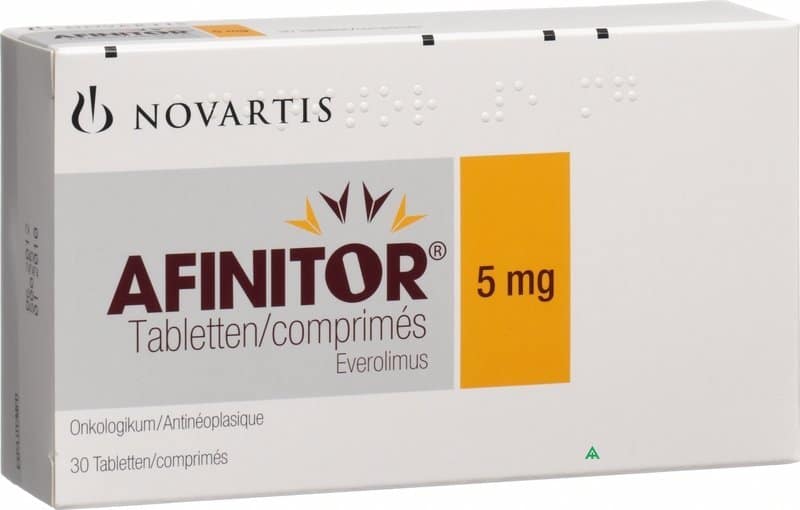
When clinicians discuss tuberous sclerosis treatment options, the conversation may include mTOR inhibitors (a pathway-targeting drug class). Examples include everolimus for tuberous sclerosis in certain situations, or sirolimus topical for selected skin findings. These medications have specific labeled uses and monitoring considerations. A clinician can help interpret how those apply to a given history.
- Ask which side effects are most important to watch for
- Confirm what follow-up testing may be needed and how results are shared
- Review possible drug interactions, especially with seizure medicines
- Discuss when to contact urgent care for new or severe symptoms
- Keep a record of prior diagnoses, including autism and tuberous sclerosis if present
Why it matters: Some tuberous sclerosis complications can be silent without scheduled checks.
Access and Prescription Requirements
Many therapies discussed in TSC care are prescription-only. Pharmacy dispensing and prescription verification may be required by law. Requirements can vary by medication type and state rules. If a topical or oral medicine is considered, documentation needs can differ.
When appropriate, prescriptions may be coordinated through partner pharmacies, following state rules.
Medispress supports telehealth visits offered as a flat-fee option. Some patients use cash-pay access, often without insurance, for simplicity. A licensed clinician reviews the request and decides next steps. If a prescription is not clinically appropriate, other care directions may be recommended instead.
- Expect identity and eligibility checks when controlled or high-risk drugs are involved
- Plan to share a current medication list and key recent test summaries
- Ask how refills are handled and what follow-up may be required
- Confirm the preferred pharmacy pathway for your state before checkout steps
- Keep copies of imaging reports for faster clarification during reviews
Related Resources
For focused browsing, explore condition collections that overlap with neurologic care. The Brain Tumor in TSC page can help with terminology seen in scans and follow-ups. Some patients also compare broader neurologic categories, like Multiple Sclerosis and Relapsing Multiple Sclerosis, when sorting care pathways.
For general risk awareness, this Heart Disease Warning Signs guide may be helpful to skim. For authoritative background on inheritance and typical findings, see this overview from NINDS on tuberous sclerosis. For surveillance context used by many teams, see this neutral reference from TSC Alliance guidelines.
This content is for informational purposes only and is not a substitute for professional medical advice.

Find suitable medication for Tuberous Sclerosis
Book a telehealth visit to discuss Tuberous Sclerosis
Find a doctor
Speciality
State

Video Visit
$69

Video Visit
$69

Video Visit
$69

Video Visit
$69

Video Visit
$69

Video Visit
$69

Speciality: Dermatology, Family Medicine, Men's Health, Urgent Care, Women's health
Speaks: English, Spanish, French, Arabic, Portuguese
Video Visit
$69

Video Visit
$69

Video Visit
$69

Video Visit
$69

Video Visit
$69

Video Visit
$69
Frequently Asked Questions
What does this Tuberous Sclerosis category page include?
This browse page collects practical resources connected to tuberous sclerosis complex (TSC). It may include medication-related navigation, plain-language definitions, and access notes that affect prescriptions. It also links to related condition collections and selected reading. The goal is to make terminology easier to understand and compare. It is meant to support planning and questions for clinicians. It does not provide diagnosis or individualized treatment decisions.
How is tuberous sclerosis complex (TSC) usually diagnosed?
TSC diagnosis often combines clinical findings with imaging and, sometimes, genetic testing. Findings can involve the brain, skin, kidneys, heart, lungs, or eyes. Examples include cortical tubers, facial angiofibromas, or renal angiomyolipomas. Some people are diagnosed in childhood, while others are diagnosed later. A clinician may also discuss tuberous sclerosis inheritance patterns and family history. Final diagnosis should be confirmed by a qualified medical team.
Can telehealth help with follow-up for TSC?
Telehealth can be useful for discussion-based needs, like reviewing symptoms, organizing records, or planning questions for specialists. It may also support medication reviews when information is available. Some issues still need in-person exams, imaging, or urgent evaluation. Clinicians decide what is appropriate for a visit format and timing. If prescriptions are considered, requirements depend on the medication and state rules. Telehealth should complement, not replace, specialty surveillance.
What information is helpful to have ready for a visit or refill review?
Having a current medication list helps avoid duplication and interaction risks. Include prescription drugs, over-the-counter products, and supplements. It also helps to keep recent imaging summaries, lab results, and specialist notes in one place. For seizure concerns, a brief seizure log can be useful. For children, school and therapy updates may add helpful context. For adults, lung or kidney monitoring summaries may matter. Share only what is relevant to the request.
Where can families find reliable information and support resources for TSC?
Start with national organizations and major medical references. They often explain TSC genetics, common symptoms, and surveillance concepts in clear language. They may also list support groups and care center directories. Bring any questions from those materials to a clinician who knows the history. Online information cannot confirm what a scan or test means for one person. Using reliable sources can still make appointments more efficient and less stressful.