


Trigeminal Neuralgia
Care Options and Resources for Trigeminal Neuralgia
Facial nerve pain can feel sudden, sharp, and exhausting to live with. Trigeminal Neuralgia is one cause of intense, shock-like facial pain. This category page helps patients and caregivers review common terms, options, and next steps. It also supports browsing prescription pathways when treatment needs medication support.
Pain often follows the trigeminal nerve branches, called V1, V2, and V3. These branches cover the forehead, cheek, and jaw areas. Common triggers include chewing, brushing teeth, wind, or light touch. Some people report flare ups that come and go in clusters. Others have a steadier ache, sometimes called atypical trigeminal neuralgia.
Visits happen by video with licensed U.S. clinicians.
Trigeminal Neuralgia What You’ll Find
This collection focuses on practical education for neuropathic facial pain (nerve-related facial pain). It covers symptom language, workups, and care pathways clinicians may discuss. It also explains how prescriptions get handled when a medication is appropriate. Many people shorten the condition name to TN in daily conversations.
When browsing, look for clear descriptions of what each option is for. Some listings focus on medication access and refills. Others focus on learning materials that support a visit plan. The goal is to make facial pain diagnosis conversations easier to follow. Information here can also help caregivers track changes over time.
Quick tip: Save a one-page timeline of pain, triggers, and dental work.
- Common symptom patterns and typical triggers
- Possible causes, including vessel contact and multiple sclerosis links
- What clinicians look for during trigeminal neuralgia diagnosis
- Overview of trigeminal neuralgia treatment pathways
- High-level notes on trigeminal neuralgia medications and monitoring
- Plain-language summaries of trigeminal neuralgia surgery options
How to Choose
Different resources fit different stages of evaluation. Some people need help naming symptoms clearly. Others need help understanding tests, referrals, or medication categories. Trigeminal Neuralgia can also overlap with migraine, sinus issues, or dental problems. That is why pattern details matter.
Match the resource to the main question
- Is the pain electric, stabbing, burning, or pressure-like?
- Does it follow a V1, V2, or V3 distribution?
- Are there specific trigeminal neuralgia triggers, like touch or chewing?
- Are symptoms brief attacks, or a constant baseline ache?
- Do flare ups happen with stress, sleep loss, or cold air?
- Is there numbness, hearing change, rash, or vision symptoms?
Topics to discuss with a clinician
- Whether an MRI is appropriate and what it can look for
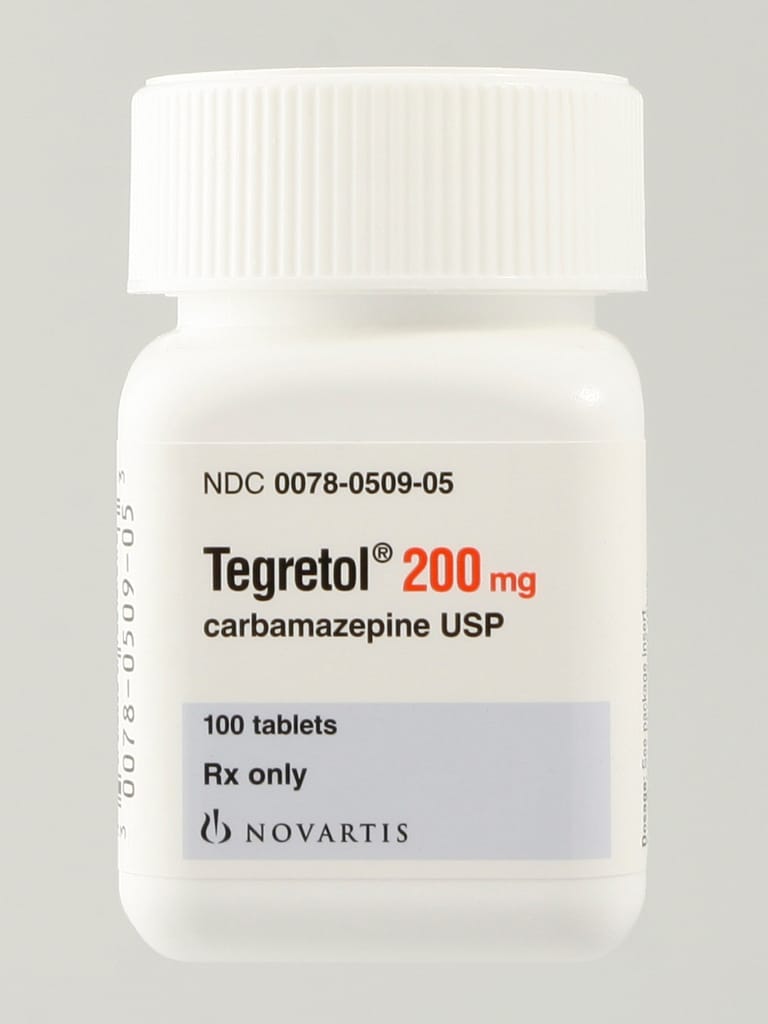
- How to think about carbamazepine and oxcarbazepine as options
- How side effects and interactions get reviewed before prescribing
- When referral to a trigeminal neuralgia specialist makes sense
- How microvascular decompression compares with less invasive procedures
- What percutaneous rhizotomy and gamma knife approaches mean in plain terms
Visits in the app are hosted in a secure, HIPAA-compliant environment.
Safety and Use Notes
Facial pain medicines often fall under neuropathic pain treatment categories. Some are anti-seizure medicines that calm nerve signaling. These medications can cause sleepiness, dizziness, or balance problems for some people. Drug interactions also matter, including with alcohol and certain antibiotics. Some options may require periodic labs, based on clinician judgment.
Trigeminal Neuralgia treatment discussions may also include procedures for selected cases. Microvascular decompression involves moving a vessel off the nerve. Gamma knife uses targeted radiation, without an incision. Percutaneous rhizotomy refers to procedures that interrupt pain fibers through a needle approach. Each option has different risks and recovery considerations, which clinicians should explain.
Why it matters: New neurologic symptoms should not be brushed off as dental pain.
For a neutral overview of symptoms and causes, see Mayo Clinic Symptom Summary.
Access and Prescription Requirements
Many prescription options for trigeminal nerve pain require an active prescription. Pharmacies must verify prescriptions before dispensing, and they may confirm key details. Requirements can vary by medication class and by state rules. If a clinician recommends a medicine, documentation usually includes the diagnosis context and safety checks.
Medispress supports cash-pay access, often without insurance, when available. After a video visit, the clinician determines what is clinically appropriate. If a prescription is appropriate, providers may coordinate options through partner pharmacies. Availability and dispensing rules depend on state regulations and pharmacy policies.
Clinicians make the clinical decisions, and pharmacies dispense where state rules allow.
Related Resources
Some headache conditions can mimic facial nerve pain, especially early on. For comparison language and warning signs, read Cluster Headache Overview. Keeping distinctions clear can also help when sorting trigeminal neuralgia vs dental pain concerns. Trigeminal Neuralgia can feel isolating, so support groups may help with coping tools and shared planning. For additional background, see NINDS Condition Overview.
This content is for informational purposes only and is not a substitute for professional medical advice.

Find suitable medication for Trigeminal Neuralgia
Book a telehealth visit to discuss Trigeminal Neuralgia
Find a doctor
Speciality
State

Video Visit
$69

Video Visit
$69

Video Visit
$69

Video Visit
$69

Video Visit
$69

Video Visit
$69

Speciality: Dermatology, Family Medicine, Men's Health, Urgent Care, Women's health
Speaks: English, Spanish, French, Arabic, Portuguese
Video Visit
$69

Video Visit
$69

Video Visit
$69

Video Visit
$69

Video Visit
$69

Video Visit
$69
Frequently Asked Questions
What does trigeminal neuralgia pain feel like?
Trigeminal neuralgia often causes brief, intense facial pain attacks. People describe it as electric shocks, stabbing pain, or sudden jolts. The pain may affect the cheek, jaw, teeth, or around the eye. Light touch, chewing, talking, or cold wind can trigger episodes. Some people also have a more constant burning or aching pain between attacks. Symptom patterns vary, so clear descriptions help clinicians narrow possible causes.
How is trigeminal neuralgia diagnosed?
Diagnosis usually starts with a careful symptom history and a focused neurologic exam. Clinicians often ask about triggers, pain duration, and which facial areas are involved. They may consider dental and sinus causes, as well as migraine. In some cases, imaging like an MRI is used to look for structural contributors. Findings can help rule out other conditions, including multiple sclerosis-related changes or masses. A clinician decides which steps fit the situation.
What treatments are commonly discussed for trigeminal nerve pain?
Treatment conversations often start with prescription medicines used for neuropathic pain. Commonly discussed options include anti-seizure medicines such as carbamazepine or oxcarbazepine. Clinicians also review side effects, interactions, and monitoring needs before prescribing. If medicines do not control symptoms, procedural options may be discussed. These can include microvascular decompression, gamma knife approaches, or percutaneous rhizotomy methods. A specialist can help match options to symptom patterns and imaging results.
How can trigeminal neuralgia be confused with dental pain?
Nerve-related facial pain can feel like tooth pain, gum pain, or jaw pain. That overlap can lead to dental work that does not resolve symptoms. Trigeminal neuralgia pain often has clear triggers like light touch or chewing. It can also arrive in short, intense bursts, with pain-free gaps. Dental pain more often stays steady and worsens with pressure on a specific tooth. Only a clinician or dental professional can sort causes safely, especially with new numbness or swelling.
Can telehealth help with facial pain evaluation?
Telehealth can help with early evaluation and care coordination for facial pain. A video visit allows a clinician to review symptom history, triggers, and prior dental or imaging work. The clinician can also explain terminology, possible next steps, and when in-person evaluation matters. If medication is clinically appropriate, the provider may coordinate prescription options through partner pharmacies, depending on state rules. Telehealth does not replace emergency care for severe new neurologic symptoms.
When should facial pain be treated as urgent?
Some facial pain needs prompt, in-person evaluation rather than routine follow-up. Examples include sudden facial weakness, new trouble speaking, confusion, or severe headache with fever. Vision changes, a new rash near the eye, or rapid swelling can also be concerning. Persistent numbness or progressive neurologic symptoms deserve careful assessment. This category page can help organize questions and terminology, but it cannot judge urgency. Local emergency services are the right option for severe or rapidly worsening symptoms.