


Tonic‑Clonic Seizures
Care Options for Tonic‑Clonic Seizures
This category page gathers practical information on Tonic‑Clonic Seizures for patients and caregivers. It explains common terms, what clinicians look for, and next-step options. Content focuses on organization, safety planning, and coordinated follow-up care. It does not replace diagnosis or individualized treatment advice from a clinician.
Browse related seizure categories, and learn how listings are organized at Medispress. Some pages group products, while others cover educational basics for families. A few links explain prescription requirements and common refill terms. Start with our broader Seizures collection for navigation across conditions.
Tonic‑Clonic Seizures What You’ll Find
These events are sometimes called grand mal seizures in older language. They are a type of generalized seizure, meaning both sides involve at onset. Many people notice a tonic phase (stiffening) followed by clonic phase (rhythmic jerking). Afterward, postictal recovery can include confusion, sleepiness, or headache for hours.
On this browse page, listings may mention triggers like missed sleep or alcohol. Some people report photosensitivity seizures, where flashing lights can provoke symptoms. Families can also compare notes for children, adults, and pregnancy. For a closely related collection, see Generalized Tonic Clonic Seizures.
Medispress offers flat-fee video visits with licensed U.S. clinicians for evaluation.
The page brings together common details that help organize next steps.
- Plain-language definitions for generalized seizure types and phases
- Signs that suggest focal to bilateral tonic-clonic events
- Common seizure triggers, including sleep disruption and illness
- Overview terms for epilepsy diagnosis, including EEG and MRI
- Seizure treatment options, including medications and diet therapies
- Safety topics like driving rules and seizure monitoring devices
- Planning tools, including a seizure action plan for home and school
How to Choose
Choosing resources works best when the goal is clear at home. Some people want a quick glossary, while others need access logistics. Many searches for Tonic‑Clonic Seizures start after an emergency visit. It helps to collect details before comparing options on this page.
Match the information to the situation
Different sections help with different kinds of decisions and discussions.
- Age group and context, including tonic-clonic seizures in children or adults
- Episode description, including duration, injuries, and breathing changes
- Possible mimics, such as syncope (fainting) or psychogenic nonepileptic seizures
- History of epilepsy diagnosis and prior EEG summaries, if known
- Current medication list, allergies, and pregnancy status when relevant
- Safety priorities, such as bathing, driving, and workplace risks
If a clinician suspects a focal onset, browse Focal Seizures for related patterns. Some convulsions start as focal to bilateral tonic-clonic seizures in reports. That detail can change how symptoms get described and documented.
Questions to bring to a visit
These questions support clearer communication with a licensed clinician.
- Which generalized seizure types fit this description, and why?
- What tests are commonly used, such as EEG for seizures or MRI for epilepsy?
- How does postictal recovery affect return-to-school or work plans?
- Which anti-seizure medications might be considered, based on history?
- Could sleep and seizures, stress, or light exposure be meaningful triggers?
- Which seizure monitoring devices help with safety and documentation?
- What should a seizure action plan include for caregivers and schools?
Safety and Use Notes
Safety planning for Tonic‑Clonic Seizures starts with simple, repeatable steps. Seizure first aid usually means protecting the person from injury. People often loosen tight clothing and place something soft under the head. Most guidance warns against putting objects in the mouth during convulsions.
Quick tip: Time the event and note how breathing looks during each phase.
After the shaking stops, many people enter a postictal phase with confusion. Keep the area calm, and allow rest when safe to do. Status epilepticus means prolonged seizures, and it can be life-threatening. Visits happen in our secure, HIPAA-compliant app for private video care.
Many organizations advise calling emergency services if any of these occur.
- The seizure lasts longer than five minutes
- A second seizure starts without full recovery
- Breathing problems or bluish color persist after shaking ends
- Serious injury occurs, including head trauma or deep cuts
- The person is pregnant, has diabetes, or has new neurological symptoms
- It is the first known convulsive seizure
For neutral first-aid guidance, see Epilepsy Foundation First Aid. Driving rules vary, and clinicians often document seizure control over time. Safety tips can also include showering instead of bathing and supervised swimming.
Access and Prescription Requirements
Access notes for Tonic‑Clonic Seizures often depend on documented diagnosis details. Anti-seizure medications are prescription-only and require appropriate clinical oversight in the U.S. Pharmacies may verify the prescription and confirm patient information before dispensing. Cash-pay options, often without insurance, can help some families plan costs.
Why it matters: Accurate medication lists help reduce delays during refill requests and transfers.
When appropriate, clinicians can route prescriptions through partner pharmacies, following state dispensing rules.
Some people use telehealth for follow-up visits or refill reviews. Medispress supports video appointments with licensed U.S. clinicians at a flat fee. Clinicians make medical decisions, including whether an Rx is appropriate. Documentation needs can vary based on medication type and state regulations.
When browsing access details, these items commonly affect timing and paperwork.
- Current medication name and strength from the prescription label
- Preferred pharmacy location and contact information
- Recent seizure history summary and known triggers
- Prior test reports, when available, such as EEG or imaging
- Government ID requirements where state regulations apply
- Communication preferences for care coordination
For terminology help, read Prescription Rx Basics on Medispress before browsing.
Related Resources
For ongoing learning about Tonic‑Clonic Seizures, browse related seizure collections. Some patterns overlap with sudden jerks, which may fit myoclonic seizures. See Myoclonic Seizures for those distinctions in brief descriptions here. For background on epilepsy diagnosis and treatment, see NINDS Epilepsy And Seizures.
This content is for informational purposes only and is not a substitute for professional medical advice.

Find suitable medication for Tonic‑Clonic Seizures
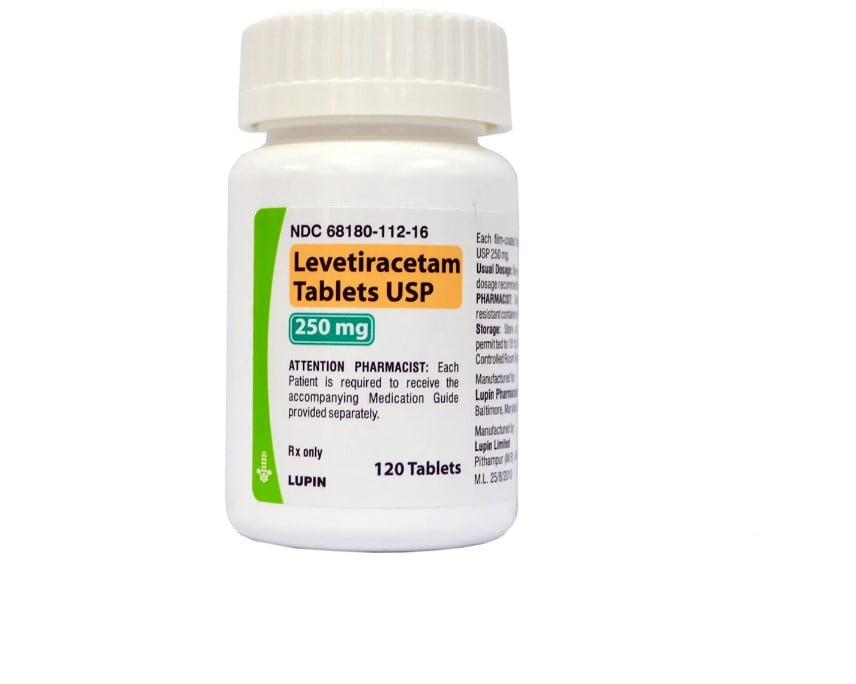
Book a telehealth visit to discuss Tonic‑Clonic Seizures
Find a doctor
Speciality
State

Video Visit
$69

Video Visit
$69

Video Visit
$69

Video Visit
$69

Video Visit
$69

Video Visit
$69

Speciality: Dermatology, Family Medicine, Men's Health, Urgent Care, Women's health
Speaks: English, Spanish, French, Arabic, Portuguese
Video Visit
$69

Video Visit
$69

Video Visit
$69

Video Visit
$69

Video Visit
$69

Video Visit
$69
Frequently Asked Questions
What is the difference between a tonic-clonic seizure and a focal seizure?
Tonic-clonic seizures are often generalized at onset, meaning both brain hemispheres engage early. Focal seizures start in one area of the brain. Some events begin focally and then spread into a bilateral tonic-clonic convulsion. Clinicians may ask about the first signs, like an aura, staring, or one-sided movements. Those details help with classification, testing choices, and documentation. A clinician can confirm the type after reviewing the history.
What details are helpful to record after a seizure?
Caregivers often write down the time the event started and ended. Notes about breathing changes, injuries, and skin color can help. It also helps to record what happened just before the event. Examples include missed sleep, illness, stress, or flashing lights. Afterward, record postictal symptoms like confusion, sleepiness, or headache. If available, a brief video can help a clinician interpret movements. Keep notes factual and avoid guessing causes.
When should emergency services be called for a seizure?
Many medical organizations advise emergency help for prolonged or complicated events. Examples include a convulsive seizure lasting longer than five minutes. Another concern is repeated seizures without full recovery between events. Breathing problems, serious injury, or a first known convulsive seizure also raise concern. Pregnancy, diabetes, or new neurological symptoms can change risk, too. Local guidance can vary, so clinicians often recommend confirming an emergency plan in advance.
Can anti-seizure medication refills be handled through telehealth?
Sometimes, refills can be discussed during a video visit, depending on the situation. A licensed clinician reviews the history, current medication list, and recent seizure control. They decide whether a refill is clinically appropriate. Pharmacies may still require prescription verification and standard safety checks. State regulations can affect which medications can be prescribed and where they can be dispensed. Having the prescription label and pharmacy information ready can reduce administrative delays.
What does the postictal period mean?
The postictal period is the recovery phase after a seizure ends. People may feel confused, tired, or have trouble speaking clearly. Some people sleep for a while after a convulsion. Others may have headache, sore muscles, or mood changes. The length can vary across individuals and seizure types. Clinicians often ask about postictal recovery because it helps describe seizure severity and safety needs. Documentation can also support return-to-work or school planning.