


Thyroid Cancer
Care Options for Thyroid Cancer
This category page brings together practical information for patients and caregivers managing Thyroid Cancer. It explains common terms that appear in appointments, reports, and follow-up plans. Use it to browse related condition collections and supportive reading in one place.
Many people start with a thyroid nodule evaluation, then learn new test names fast. This page helps sort language around diagnosis, staging, and care planning. It also highlights ways to organize records and questions for visits.
Care visits are available by video with licensed U.S. clinicians.
Thyroid Cancer What You’ll Find
This collection focuses on plain-language explanations and practical navigation. It also points to related thyroid and endocrine browsing pages. For broader endocrine topics, browse Endocrine And Thyroid for connected reading.
Some people need to compare subtype terms found in pathology notes. You may see differentiated thyroid cancer (a group including papillary and follicular types). You may also see less common types with different care pathways. Related collections include Medullary Thyroid Cancer and Anaplastic Thyroid Cancer.
Some care plans mention thyroid hormone changes after treatment. When symptoms overlap with low thyroid function, it can help to compare terms. The Hypothyroidism Resources page can add context for labs and medication names.
- Common symptom terms and when they can be discussed
- Diagnosis language like thyroid ultrasound (neck imaging) and fine needle aspiration biopsy (thin-needle tissue sample)
- Staging and prognosis vocabulary, including thyroid cancer staging TNM
- Treatment pathway terms, like thyroidectomy (thyroid removal surgery)
- Follow-up monitoring terms, including thyroglobulin test (a blood marker used in follow-up)
How to Choose
Start by picking the questions that match the current step in care. Some people want symptom context, while others need report definitions. If the goal is to understand Thyroid Cancer stages, focus on staging terms first.
Why it matters: Clear definitions reduce confusion during busy visits.
Match resources to the care step
- Before diagnosis: learn thyroid nodule evaluation and biopsy vocabulary
- After diagnosis: compare subtype names, like papillary and follicular types
- Before treatment: list options mentioned, including surgery and radioactive iodine therapy (RAI)
- After treatment: review follow-up language, including recurrence monitoring and TSH suppression therapy
Questions that help clinicians give clearer answers
- Which reports matter most right now, and which can wait?
- What does “differentiated” mean on my report, in plain terms?
- Which labs trend over time, and how are they interpreted?
- How is metastatic disease described in imaging summaries?
- What follow up schedule is typical for this diagnosis?
For a plain-language overview of staging basics, see this reference from the National Cancer Institute. It can help interpret common staging words without guessing meaning.
Safety and Use Notes
Treatment plans can include surgery, hormone therapy, and sometimes radiation-based approaches. Each option has its own preparation and monitoring needs. Thyroid Cancer discussions often include follow-up labs and imaging over time. Those details should come from the treating team and final reports.
Thyroid hormone replacement may be used after thyroidectomy, depending on the plan. Some plans use TSH suppression therapy (keeping TSH low with thyroid hormone). This can affect how symptoms and labs are interpreted. It also can matter for people with heart rhythm issues or bone loss risk.
- Bring a current medication list, including supplements and biotin
- Track recent labs, and note the collection date and lab name
- Ask how to interpret thyroglobulin trends, not single numbers
- Confirm how ultrasound, scans, and pathology results fit together
- Discuss mental health strain, since stress can affect sleep and appetite
Appointments run in a secure, HIPAA-compliant app for messaging and video.
For a patient-friendly treatment overview, this resource from the American Cancer Society explains common approaches and terminology.
Access and Prescription Requirements
Some thyroid-related medicines require a prescription and clinical review. A clinician will decide what is appropriate based on history and records. When prescriptions are used, they are filled through licensed pharmacies with required verification steps.
Cash-pay options are available, often without insurance, depending on the service. Some people choose cash-pay without insurance to keep paperwork simple. Coverage rules vary, so documentation needs can differ.
Quick tip: Keep PDFs of labs and imaging summaries in one folder.
- Medication history, including allergies and past side effects
- Pathology reports, if a biopsy or surgery already happened
- Imaging summaries, like ultrasound or scan impression pages
- Lab trends, including TSH and thyroglobulin when ordered
- Notes on prior treatments, including radioactive iodine therapy if completed
When appropriate, clinicians can coordinate prescriptions through partner pharmacies, following state regulations.
Related Resources
It is common to need support alongside medical planning. Many people also manage anxiety, low mood, or sleep disruption during care. Reading about warning signs can help set language for conversations with clinicians.
Browse Recognizing Signs Of Anxiety and Early Signs Of Depression for symptom vocabulary and support ideas. If telehealth mental health care is part of a plan, Telehealth For Depression Changes Care explains what visits can look like.
Thyroid Cancer care can feel like a lot of moving parts. Keeping a short timeline of tests and results can reduce mix-ups. This can also make second opinions and follow-up visits easier.
This content is for informational purposes only and is not a substitute for professional medical advice.

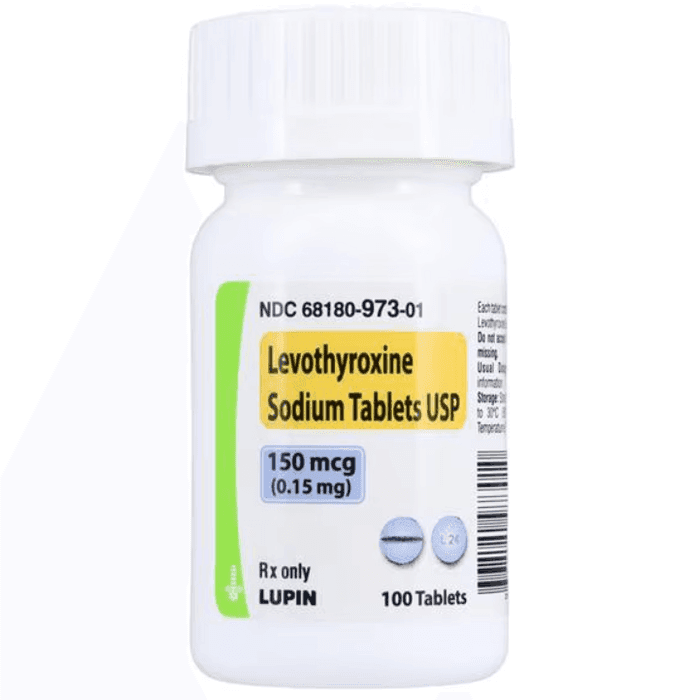
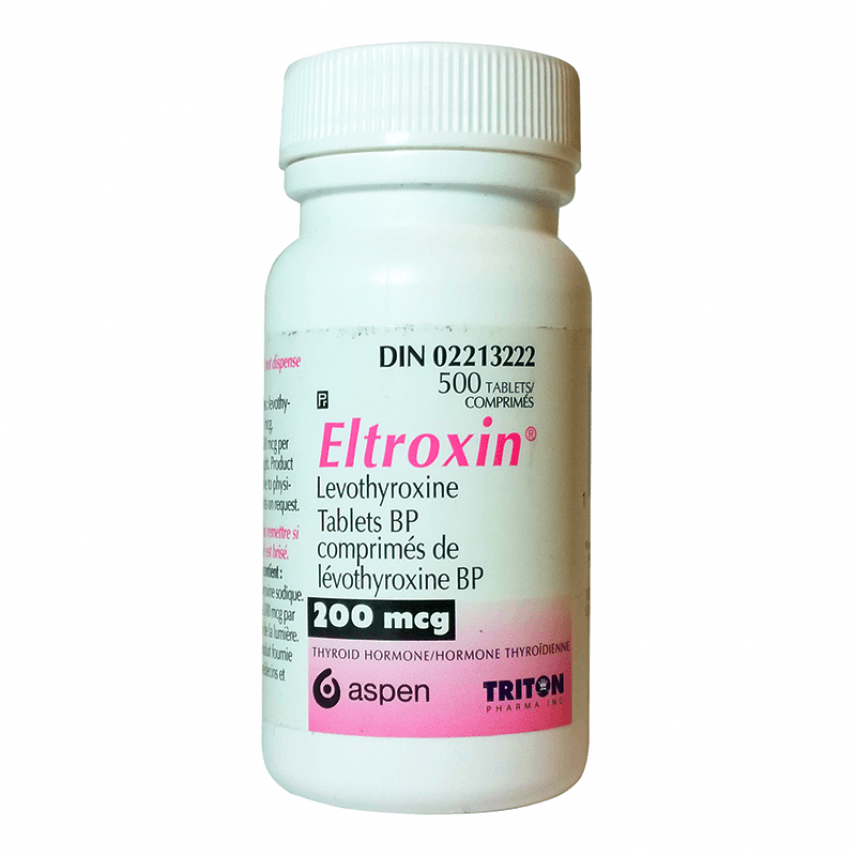
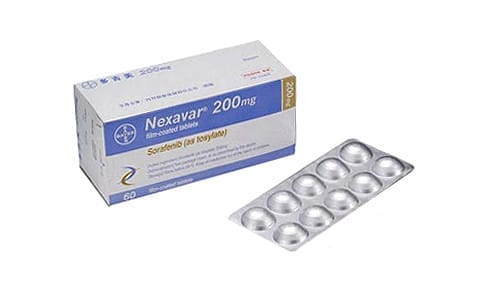
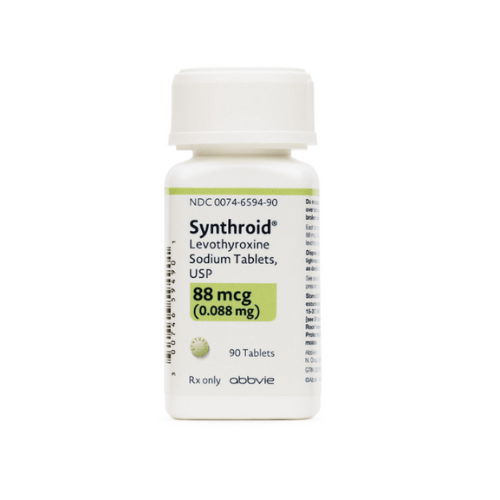
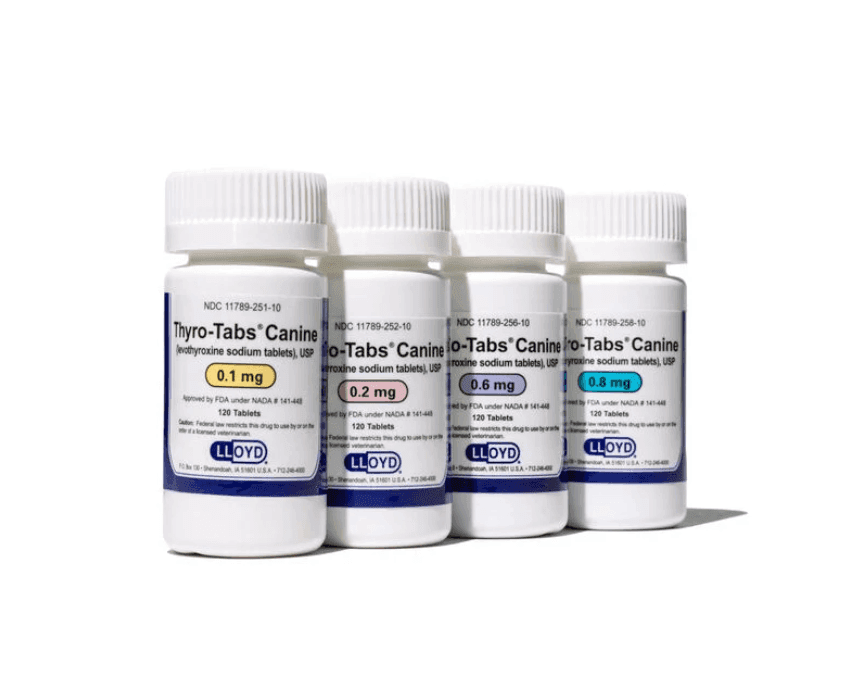
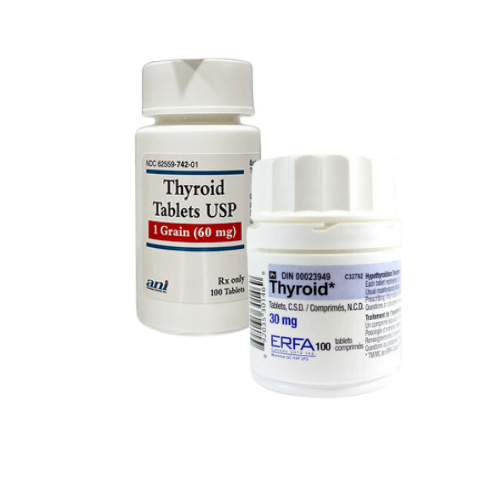
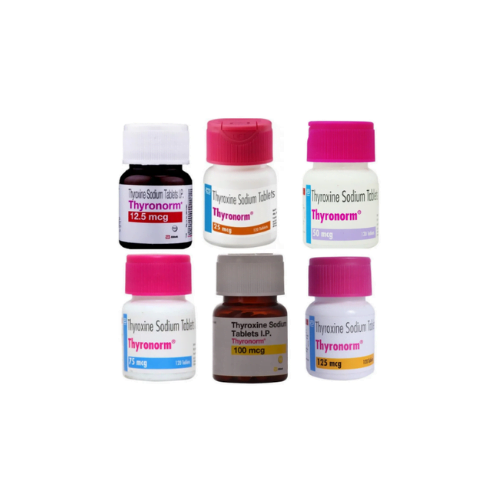
Find suitable medication for Thyroid Cancer
Book a telehealth visit to discuss Thyroid Cancer
Find a doctor
Speciality
State

Video Visit
$69

Video Visit
$69

Video Visit
$69

Video Visit
$69

Video Visit
$69

Video Visit
$69

Speciality: Dermatology, Family Medicine, Men's Health, Urgent Care, Women's health
Speaks: English, Spanish, French, Arabic, Portuguese
Video Visit
$69

Video Visit
$69

Video Visit
$69

Video Visit
$69

Video Visit
$69

Video Visit
$69
Frequently Asked Questions
What does this category page include?
This category page organizes thyroid-related browsing in one place. It highlights common words used in diagnosis, staging, and follow-up visits. It also links to related condition collections and supportive reading. The goal is to make reports and visit notes easier to understand. It does not replace a clinician’s guidance or interpret results for any individual. Use the sections to compare terms and save resources for later reference.
How are thyroid cancer subtypes different?
Subtype names usually come from pathology results after a biopsy or surgery. Common subtypes include papillary and follicular types, often grouped as differentiated disease. Other subtypes include medullary and anaplastic forms, which can follow different pathways. Subtype affects what tests get emphasized and how follow-up is discussed. A clinician can explain what a subtype means in the context of stage, imaging, and lab trends.
What records are helpful for a thyroid nodule evaluation discussion?
Clinicians often ask for prior ultrasound summaries, biopsy reports, and key lab results. If there was a fine needle aspiration biopsy, the pathology summary matters. A brief timeline of when symptoms started can also help. It is useful to list current medicines and supplements, including biotin. If surgery or radioactive iodine was done, bring the operative note or treatment summary when available. Having dates attached to each record reduces confusion.
How should I interpret thyroid cancer staging terms like TNM?
TNM is a common staging framework used across many cancers. It summarizes tumor features, lymph node involvement, and spread to other sites. The exact meaning depends on the cancer type and the clinical context. Staging terms often combine imaging, pathology, and surgical findings. Prognosis discussions may also include age and subtype factors. A clinician can explain how staging affects follow-up intensity and which results matter most over time.
Can Medispress support prescriptions related to thyroid conditions?
Medispress connects people to licensed U.S. clinicians through video visits in a secure app. Clinicians decide what care is appropriate, based on medical history and available records. When clinically appropriate, providers may coordinate prescription options through partner pharmacies. Pharmacy fulfillment follows state requirements and standard prescription verification. Some services may be available as cash-pay, which can be helpful when insurance is not used. Availability can vary by location and clinical eligibility.