


Supraventricular Tachycardia
Care Options for Supraventricular Tachycardia
Supraventricular Tachycardia (often called SVT) is a fast heart rhythm. It starts above the heart’s lower chambers. Episodes can feel sudden and unsettling. This category page brings together practical resources for patients and caregivers.
Browse plain-language explanations, common terms, and care pathways. Compare how SVT symptoms are described across sources. Review SVT causes and SVT triggers that clinicians often ask about. Use this page to prepare for a visit and organize questions.
Quick tip: Keep a simple log of episode time, duration, and possible triggers.
Supraventricular Tachycardia What You’ll Find
This collection focuses on the basics that support informed conversations. It covers SVT episodes and palpitations, common patterns, and key terms. It also explains why some episodes stop on their own. Others may need clinical evaluation.
Medispress visits connect patients with licensed U.S. clinicians by video. When appropriate, a clinician may discuss SVT management options. Those conversations often include lifestyle context, medication history, and safety risks. They may also cover when referral-based procedures come up, like catheter ablation for SVT.
Expect clear definitions for rhythm subtypes and common comparisons. Many people see the term paroxysmal supraventricular tachycardia (sudden start and stop). Some resources also explain AVNRT and AVRT (common re-entry rhythms). Wolff-Parkinson-White syndrome may appear when an extra pathway is involved.
- Common SVT symptoms and typical episode descriptions
- SVT causes and SVT triggers, including sleep, stress, and illness
- SVT diagnosis basics, including SVT ECG findings (heart rhythm tracing patterns)
- How SVT vs atrial fibrillation differs in patterns and next steps
- High-level options, including medications for SVT and catheter procedures
How to Choose
Use this section to match what is being browsed to the need. Some people want a quick overview. Others want details to support a clinician visit. The best fit depends on symptoms, history, and prior testing.
Match the resource to the goal
- For first-time episodes, start with SVT symptoms and safety red flags
- For recurring episodes, focus on SVT triggers and episode patterns
- For past workups, look for SVT diagnosis and SVT ECG findings summaries
- For subtype questions, compare AVNRT, AVRT, and Wolff-Parkinson-White syndrome
- For rhythm confusion, read comparisons like SVT vs atrial fibrillation
- For longer-term planning, review SVT prognosis and possible complications
Questions to bring to a clinician visit
Medication choices and procedures depend on the rhythm type and context. That includes age, pregnancy status, and other conditions. A short list of questions can keep the visit focused and calm.
- What rhythm is most likely, based on symptoms and any ECG?
- Could this pattern fit a re-entry rhythm like AVNRT or AVRT?
- Which triggers seem most relevant in this history?
- What does a clinician need for a confident SVT diagnosis?
- When are medications for SVT considered, versus a referral for ablation?
- What follow-up makes sense if episodes change or worsen?
When Supraventricular Tachycardia appears alongside dizziness or fainting, clinicians may triage differently. A clear timeline and medication list helps that decision-making. That includes over-the-counter cold medicines and stimulants. It also includes supplements that affect heart rate.
Safety and Use Notes
Fast heart rhythms can feel like panic, but they are not the same. Still, symptoms deserve careful attention and clear documentation. Some SVT complications relate to fainting risk or reduced blood flow. A clinician can help sort urgency and next steps.
Why it matters: Rhythm type can change the safest evaluation plan.
The Medispress app uses HIPAA-focused safeguards for private health discussions. That makes it easier to share sensitive history details. It also supports sharing prior diagnoses in plain language. This matters when discussing SVT in pregnancy or pediatric SVT.
- Seek urgent care for chest pain, severe shortness of breath, or fainting
- Note new neurologic symptoms, like weakness or trouble speaking
- Share a full medication list, including beta blockers for SVT history
- Discuss past reactions to calcium channel blockers SVT treatment plans
- Report stimulant use, including caffeine and SVT patterns or energy products
- Include alcohol and SVT patterns if timing seems connected
Some resources mention vagal maneuvers for SVT. A clinician can explain if they are appropriate and safe. Do not rely on unverified social media demonstrations. Use clinician-reviewed guidance instead.
Access and Prescription Requirements
Many people seek care because episodes disrupt daily routines. Some also want options that fit a cash-pay budget. That can include care without insurance, depending on circumstances. Prescription access always depends on clinical appropriateness and state rules.
When clinically appropriate, clinicians can route prescriptions to partner pharmacies under state rules. Pharmacies may require standard verification steps for controlled or high-risk medications. Some drugs used for rhythm control need careful screening. That includes interactions, pregnancy considerations, and other heart conditions.
- Have an up-to-date medication and allergy list ready
- Bring prior ECG files, monitor reports, or discharge paperwork if available
- Know the preferred pharmacy name, address, and phone number
- Expect identity verification requirements in some states or pharmacy systems
- Ask about refill policies and follow-up expectations for ongoing use
- Plan for extra review if pregnant, postpartum, or managing pediatric care
For ongoing SVT management, resources often highlight lifestyle factors. SVT lifestyle changes can include sleep routines and stress planning. Exercise and SVT questions are common, especially for athletes. A clinician can frame risks based on history and symptoms.
Related Resources
Use reputable references when comparing terms and recommendations. Many summaries reflect SVT guidelines, but wording can vary by source. Cross-check any claims about testing or treatments. For the most helpful read, focus on definitions and safety context.
- American Heart Association arrhythmia education pages
- American College of Cardiology guideline and care summaries
Supraventricular Tachycardia information can feel repetitive across websites. That is normal, and it can still be useful. The best takeaway is a clear symptom story and clean records. That helps clinicians interpret patterns and choose next steps.
This content is for informational purposes only and is not a substitute for professional medical advice.

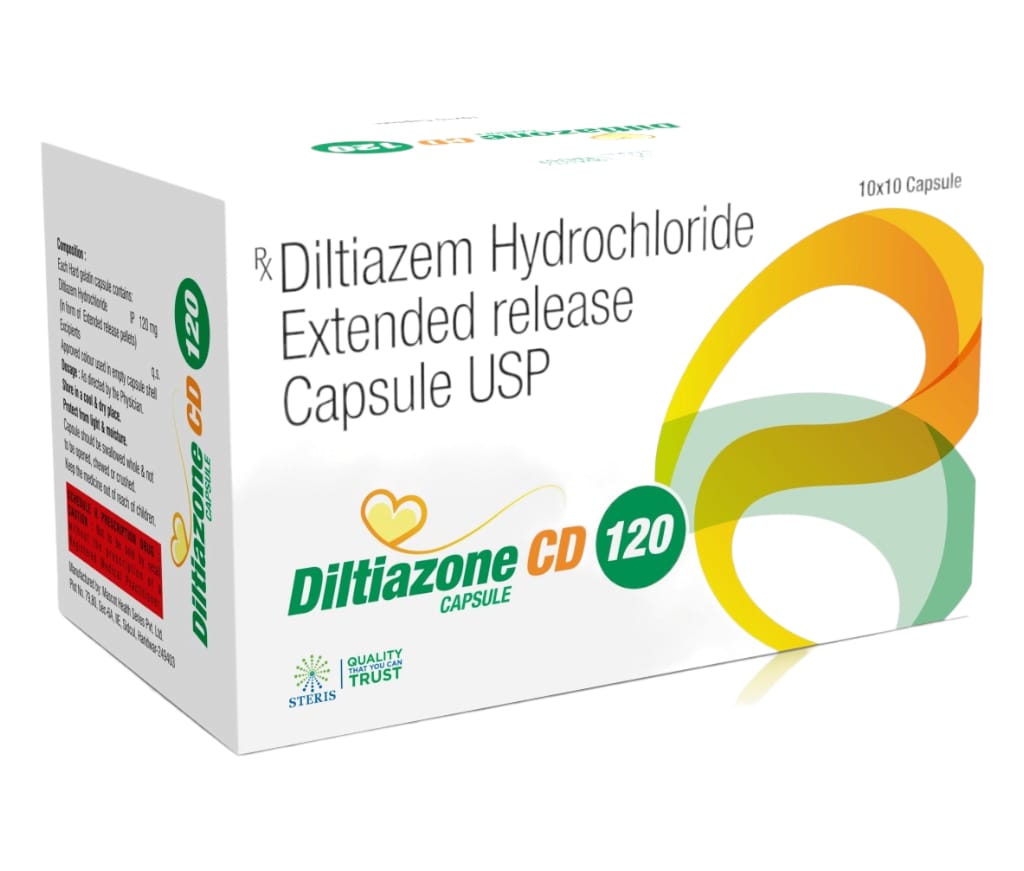
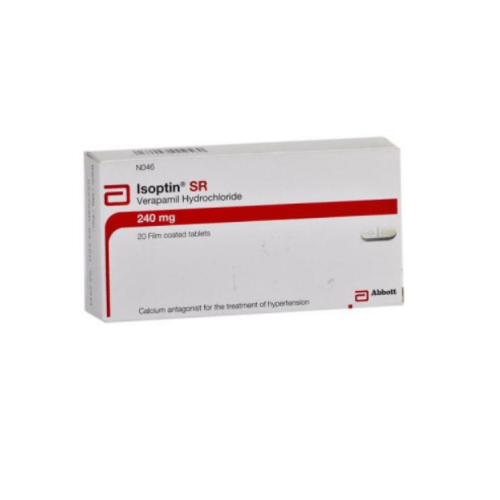
Find suitable medication for Supraventricular Tachycardia


Book a telehealth visit to discuss Supraventricular Tachycardia
Find a doctor
Speciality
State

Video Visit
$69

Video Visit
$69

Video Visit
$69

Video Visit
$69

Video Visit
$69

Video Visit
$69

Speciality: Dermatology, Family Medicine, Men's Health, Urgent Care, Women's health
Speaks: English, Spanish, French, Arabic, Portuguese
Video Visit
$69

Video Visit
$69

Video Visit
$69

Video Visit
$69

Video Visit
$69

Video Visit
$69
Frequently Asked Questions
What is SVT, and how is it different from a normal fast heartbeat?
SVT is a rapid heart rhythm that starts above the ventricles. It often begins and ends suddenly. A normal fast heartbeat usually rises gradually with exercise, stress, or fever. SVT can happen at rest and may feel like pounding or fluttering. Only an ECG (electrocardiogram) can confirm the rhythm during symptoms. A clinician can help interpret patterns and decide what evaluation is needed.
How is SVT usually diagnosed?
SVT diagnosis often starts with a symptom history and a physical exam. Clinicians may review an ECG captured during an episode. If episodes are brief, a wearable monitor may be used. Notes about timing, triggers, and associated symptoms add context. Clinicians also look at medication lists and stimulant use. The goal is to identify the rhythm type and rule out higher-risk causes.
When should someone seek urgent care for a fast heart rhythm?
Urgent evaluation is important when fast heart rhythm comes with severe symptoms. Examples include chest pain, fainting, severe shortness of breath, or new confusion. New weakness, trouble speaking, or one-sided numbness also needs emergency care. Even without these signs, getting help makes sense if symptoms rapidly worsen. A clinician can advise on the safest setting for evaluation based on the full picture.
What information helps most during a telehealth visit for SVT concerns?
A clear timeline is often the most useful starting point. Include when episodes began, how long they last, and how they end. Add any suspected triggers like sleep loss, caffeine, alcohol, or illness. Share past ECGs, monitor results, or emergency visit notes if available. A complete medication and allergy list matters, including supplements and cold medicines. This helps a clinician decide on next steps.
Can SVT affect pregnancy or children differently?
SVT can occur during pregnancy or in children, and the context matters. Pregnancy changes blood volume and heart rate, which can affect symptoms. Pediatric SVT can present as irritability, poor feeding, or fatigue in younger kids. Medication choices and testing decisions may differ in these groups. A clinician should review pregnancy status, breastfeeding, age, and growth factors. Referral decisions may also differ based on risk and symptom severity.