


Subarachnoid Hemorrhage
Care Options and Resources for Subarachnoid Hemorrhage
Subarachnoid Hemorrhage is bleeding into the space around the brain.
It is a medical emergency that needs immediate in-person care.
This category page supports patients and caregivers who want clear terms and follow-up context.
It also helps with planning questions after hospital treatment and discharge.
This collection explains common chart language, plus what recovery monitoring may involve.
It can also include medication information that clinicians sometimes use after SAH.
Subarachnoid Hemorrhage: What You’ll Find
This browse page focuses on practical education and navigation.
It covers medical terms that often appear in discharge papers and care plans.
It also highlights common pathways of evaluation and hospital management, at a high level.
Content may reference aneurysmal subarachnoid hemorrhage, which often links to a ruptured brain aneurysm.
It may also reference traumatic subarachnoid hemorrhage after head injury.
Some people see notes about arteriovenous malformation SAH, which involves abnormal blood vessels.
Expect plain-language explanations alongside clinical phrases from neurology and neurosurgery notes.
That includes symptom terms like thunderclap headache and sentinel headache.
It also includes monitoring terms tied to rebleeding risk SAH and brain fluid changes.
- Common abbreviations and chart language, including SAH and grading terms
- High-level overview of subarachnoid hemorrhage causes and risk factors
- Typical evaluation terms, like imaging, labs, and specialist consult notes
- Hospital management concepts, including procedures and complication monitoring
- Medication information pages when they are listed in this collection
Licensed U.S. clinicians conduct video visits in our secure, HIPAA-compliant app.
How to Choose
People arrive here with very different needs and timelines.
Some need vocabulary help for a hospital update, or a rehab plan.
Others want to understand which follow-up topics matter after discharge.
Match the resource to the moment
- Emergency context versus recovery context, since needs and settings differ
- Whether notes mention aneurysm repair, like endovascular coiling or surgical clipping aneurysm
- Whether clinicians documented grading, like the Hunt and Hess scale (severity grade)
- Whether imaging notes mention the Fisher scale SAH (blood amount on CT)
- Whether complications are listed, such as cerebral vasospasm or hydrocephalus after SAH
- Whether the care plan includes rehabilitation, cognitive support, or home services
Plan questions for a clinician visit
- Which symptoms should prompt urgent evaluation during recovery monitoring
- How to interpret medication lists, including start and stop dates
- How blood pressure targets are handled in the treating team plan
- What follow-up imaging or specialist appointments are expected, if any
- How to share hospital records so a new clinician sees the full picture
Quick comparisons help when notes feel dense or inconsistent.
Focusing on definitions often reduces stress during care transitions.
Safety and Use Notes
Subarachnoid Hemorrhage can present with sudden, severe headache and neurologic changes.
Clinicians often describe this as a thunderclap headache, meaning abrupt and intense pain.
Other chart terms can include neck stiffness meningismus (neck pain with irritation signs).
Confusion, fainting, weakness, or seizure can also appear in emergency descriptions.
Why it matters: Sudden severe headache can signal bleeding that needs urgent care.
Emergency teams usually perform a subarachnoid hemorrhage workup in the hospital setting.
Notes may reference CT head for subarachnoid hemorrhage as an initial imaging step.
If CT is negative and concern remains, teams may document lumbar puncture after negative CT.
Some records mention cerebral angiography SAH, which maps brain blood vessels.
For a plain-language overview, see MedlinePlus on subarachnoid hemorrhage.
Hospital treatment plans vary by cause, severity, and timing.
Teams may address an aneurysm with coiling or clipping, when indicated.
Care plans often include nimodipine for SAH, which relates to vasospasm prevention.
Cerebral vasospasm means narrowed vessels that can reduce brain blood flow.
Commonly tracked complications can include hydrocephalus, low sodium, and rebleeding.
- Ask teams to explain any grades or scales listed in notes
- Confirm which symptoms require urgent evaluation during recovery
- Keep an updated medication list, including OTC products and supplements
- Request clear follow-up steps, including rehab, imaging, and specialist visits
Prognosis language can feel blunt in records.
Subarachnoid hemorrhage prognosis depends on many factors, including early severity.
Access and Prescription Requirements
Many medications mentioned after SAH require a prescription from a licensed clinician.
Pharmacies typically verify prescriptions and dispensing requirements before filling.
Follow-up visits often focus on medication review, symptom tracking, and care coordination.
Some people prefer cash-pay options, often without insurance, for simpler access.
When appropriate, clinicians can route prescriptions to partner pharmacies under state regulations.
Records help clinicians evaluate safety questions and medication fit.
- Hospital discharge summary and procedure notes, if available
- Current medication list, including allergies and prior reactions
- Recent imaging reports, if they were provided at discharge
- Preferred pharmacy details for prescription routing and verification
- Follow-up schedule from the hospital team, including specialist names
Quick tip: Keep discharge papers and medication lists in one folder.
Telehealth can support non-emergency follow-up and documentation sharing.
It should not replace emergency evaluation for sudden neurologic symptoms.
Related Resources
This collection may link out to medication pages used during recovery planning.
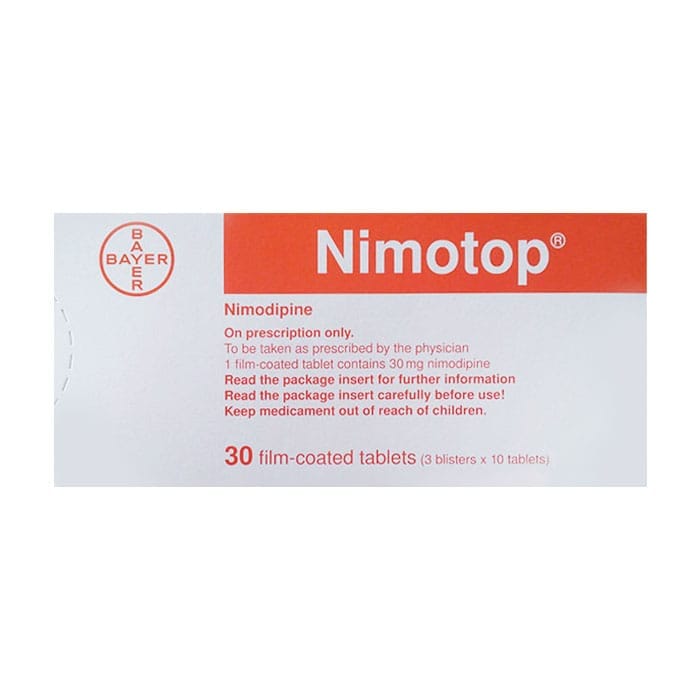
For example, the Nimotop page explains nimodipine basics and common counseling points.
It can help clarify what the medication is, and why it appears in notes.
For guideline context, review the AHA/ASA aneurysmal SAH guideline.
- Use medication pages to cross-check names, generics, and typical precautions
- Use this category page to revisit key terms before follow-up discussions
- Use trusted references to confirm definitions found in hospital summaries
This content is for informational purposes only and is not a substitute for professional medical advice.

Find suitable medication for Subarachnoid Hemorrhage
Book a telehealth visit to discuss Subarachnoid Hemorrhage
Find a doctor
Speciality
State

Video Visit
$69

Video Visit
$69

Video Visit
$69

Video Visit
$69

Video Visit
$69

Video Visit
$69

Speciality: Dermatology, Family Medicine, Men's Health, Urgent Care, Women's health
Speaks: English, Spanish, French, Arabic, Portuguese
Video Visit
$69

Video Visit
$69

Video Visit
$69

Video Visit
$69

Video Visit
$69

Video Visit
$69
Frequently Asked Questions
Is Subarachnoid Hemorrhage an emergency?
Yes. Clinicians treat it as a medical emergency that needs rapid evaluation. Many records describe a thunderclap headache, meaning sudden and severe pain. Other warning signs can include fainting, confusion, weakness, seizures, or neck stiffness. Telehealth cannot evaluate emergency neurologic symptoms safely. Emergency teams can perform imaging and monitoring right away. If a severe sudden headache or new neurologic change occurs, emergency services are the right setting.
What does SAH mean in hospital notes?
SAH is a common abbreviation for subarachnoid hemorrhage. Notes may add details such as aneurysmal subarachnoid hemorrhage or traumatic subarachnoid hemorrhage. Clinicians also document grading systems to describe severity and imaging findings. Examples include the Hunt and Hess scale and the Fisher scale SAH. These terms help teams communicate risk and monitoring needs. A clinician can explain what each term means in context.
What information should be ready for a follow-up visit after SAH?
Follow-up visits go smoother when records are easy to share. Helpful items include a discharge summary, procedure notes, and a current medication list. Include allergies, past reactions, and any OTC products or supplements. Imaging reports, if provided, can also add clarity. Many people also keep a short timeline of major events. This supports safer medication review and clearer care coordination across clinicians.
Can nimodipine be part of SAH care?
Clinicians may prescribe nimodipine after certain types of SAH, often during hospital-based care. Notes sometimes refer to nimodipine for SAH in relation to cerebral vasospasm risk. Nimodipine is a prescription medication, and it is not appropriate for everyone. A clinician decides if it fits the diagnosis, timing, and safety profile. For specifics, clinicians also rely on official labeling and local protocols.
How do I browse medication information related to SAH on Medispress?
Open this condition category page and review any listed medication links. Each medication page typically explains the drug name, common uses, and key safety notes. It can also clarify brand and generic names seen in discharge paperwork. If a telehealth visit is available, scheduling happens through the Medispress app. A licensed clinician reviews the request and makes clinical decisions. When appropriate, prescriptions may be coordinated through partner pharmacies.