


Spasticity
Care Options for Spasticity
Muscle stiffness can limit movement, balance, and comfort. Spasticity happens when nerve signals to muscles become overactive. It can follow stroke, multiple sclerosis, cerebral palsy, or spinal cord injury. This category page brings together practical care resources and medication information.
Browsing here can help organize questions about symptoms, triggers, and daily function. It also highlights common approaches like stretching, physical therapy, and occupational therapy. Content is written for patients and caregivers who want clearer next steps.
Spasticity What You’ll Find
This browse page collects information that supports real-world comparisons. Some entries focus on how increased muscle tone can affect walking, hand use, or sleep. Others focus on what clinicians look for during an evaluation.
Look for plain-language explanations of possible causes and how diagnosis is made. Many clinicians also document severity and function over time. You may see references to common tools like the Modified Ashworth Scale.
Resources may also cover care planning topics that often come up in visits. These include upper limb versus lower limb involvement, fatigue, and the risk of contractures (permanent joint stiffness). The goal is to make it easier to follow terminology and track changes.
- Medication information pages when relevant
- Rehab approaches, including mobility and hand function goals
- Common clinical terms explained in everyday language
- Ways to track symptoms and functional impact over time
- Links to reputable organizations for deeper background
Medispress visits are by video with licensed U.S. clinicians.
How to Choose
When comparing Spasticity resources, start with the main day-to-day challenge. That could be pain, walking, dressing, or safe transfers. It also helps to note which body areas are most affected.
- Likely underlying condition, such as stroke, MS, CP, or SCI
- Which limbs are involved, and how function is changing
- Patterns that worsen stiffness, including stress, illness, or poor sleep
- Current therapies, braces, or mobility supports already in use
- Medication history, including side effects or past trial limitations
- Goals that matter most, like safer walking or easier hygiene tasks
- Comfort priorities, including nighttime spasms or positioning needs
Match resources to the underlying condition
Increased tone can have different drivers across neurologic conditions. Some people have a single event, like a stroke. Others have a condition that can change over time.
- Look for notes that explain what “central nervous system” involvement means
- Prioritize content that separates weakness from tightness and cramping
- Check whether examples mention arms, legs, or both
- Use caregiver-oriented sections for home safety and daily routines
Think about function and safety
Resource quality is often about the details it helps track. Good guidance supports clearer clinician discussions. It also avoids pushing one approach for everyone.
- Prefer checklists that focus on function, not just symptom labels
- Look for balanced descriptions of therapy, devices, and medication options
- Watch for clear definitions of spasms, clonus (rhythmic jerking), and cramps
- Choose resources that encourage shared decisions with a licensed clinician
Quick tip: Keep a short timeline of symptom changes for future visits.
Safety and Use Notes
Muscle tightness can overlap with other problems, like pain from joints or nerves. Some changes may be unrelated to tone, such as new numbness. A clinician can help sort what is most likely.
Spasticity can also shift with infections, dehydration, constipation, or medication changes. That is one reason clinicians often ask about recent health changes. It also helps to list any falls, sleep disruption, or new limits in self-care.
Safety matters when medications are part of the plan. Many drugs used for muscle tone can cause sleepiness, dizziness, or weakness in some people. Interactions can also occur with alcohol, sedatives, or certain pain medicines.
- Bring a full medication list, including supplements, when discussing options
- Ask how side effects could affect driving, work, or fall risk
- Confirm what to do if a dose is missed, using the official label
- Discuss any history of breathing problems or severe daytime sleepiness
Appointments run in a secure, HIPAA-compliant app.
For a plain-language condition overview, see this NINDS resource: Spasticity overview from NINDS.
For MS-specific context on stiffness and spasms, see: National MS Society spasticity page.
Why it matters: Sudden severe changes may need prompt in-person evaluation.
Access and Prescription Requirements
Some approaches do not involve prescriptions, like stretching routines or therapist-guided programs. Others may involve prescription medications or procedures. A clinician helps weigh options based on history and exam findings.
Spasticity medications, when considered, require a prescription from a licensed clinician. Pharmacies dispense prescription drugs under state and federal rules. Some medicines also have specific monitoring and labeling requirements.
Notes and documentation often shape what happens next. Clinicians may ask for prior records, imaging reports, or therapy notes. This can be especially important when symptoms follow a major neurologic event.
- Have a current medication list and any prior side effect notes available
- Gather relevant records, such as neurology or rehab summaries, if available
- List prior therapies, braces, or injections, and what changed afterward
- Expect questions about goals, daily function, and safety concerns
- Cash-pay options are available, often without insurance, when offered
If clinically appropriate, clinicians can coordinate prescriptions through partner pharmacies, depending on state rules.
Related Resources
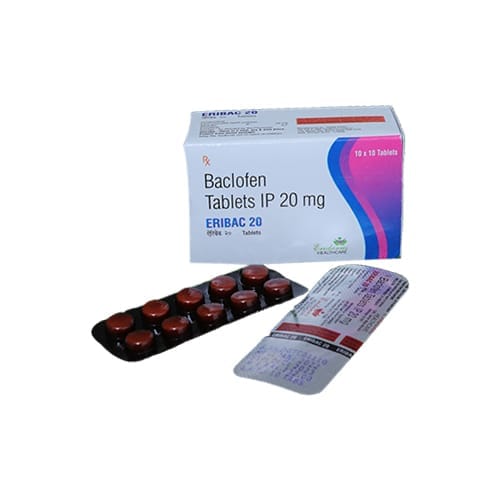
For medication-specific background, browse the Baclofen page for general use and safety context. Medication pages can help clarify terminology before a visit. They can also support more accurate questions about expected monitoring and side effects.
Spasticity management often involves more than one strategy over time. That may include therapy visits, home exercise plans, and periodic reassessment. Keeping notes on function, comfort, and daily care needs can make follow-ups more productive.
This content is for informational purposes only and is not a substitute for professional medical advice.

Find suitable medication for Spasticity
Book a telehealth visit to discuss Spasticity
Find a doctor
Speciality
State

Video Visit
$69

Video Visit
$69

Video Visit
$69

Video Visit
$69

Video Visit
$69

Video Visit
$69

Speciality: Dermatology, Family Medicine, Men's Health, Urgent Care, Women's health
Speaks: English, Spanish, French, Arabic, Portuguese
Video Visit
$69

Video Visit
$69

Video Visit
$69

Video Visit
$69

Video Visit
$69

Video Visit
$69
Frequently Asked Questions
What will I find on the Spasticity category page?
This page groups related resources for browsing in one place. It may include medication information pages, rehabilitation topics, and plain-language definitions. It also highlights common ways clinicians describe severity and function. Use it to compare terms, organize questions, and follow links to deeper reading. Content is meant to support conversations with licensed clinicians. It is not meant to diagnose conditions or replace an exam.
How should medication pages be used alongside clinician care?
Medication pages are best used as background reading and a reference. They can explain what a drug is commonly used for and the safety topics that often matter. They may also help interpret common warnings, interactions, and labeling language. A licensed clinician still decides whether a medication fits a specific situation. A pharmacy can also provide counseling when a prescription is dispensed.
What details help a clinician assess muscle tone and function?
Clinicians often combine history, observation, and a physical exam. They may ask how stiffness affects walking, hand use, hygiene, and sleep. They may also look for triggers that worsen symptoms, like illness or pain. Some use standardized rating tools, such as the Modified Ashworth Scale, to document tone. Records from neurology, rehab, or therapy can add useful context.
Can telehealth be used to discuss spasticity-related concerns?
Telehealth can be useful for reviewing symptoms, function, and prior records. Video visits may also help clinicians observe movement and discuss goals. Some situations still require in-person exams or hands-on testing. Medispress offers video appointments with licensed U.S. clinicians in a HIPAA-compliant app. When appropriate, a clinician may coordinate prescription options through partner pharmacies, based on state regulations.
What information should be ready before a video visit?
Having a few basics ready can make a visit more efficient. Useful items include a full medication and supplement list, plus any prior side effects. Notes about when stiffness worsens, which limbs are affected, and any recent falls can help. If available, include recent neurology or rehabilitation notes and imaging summaries. A short list of goals, like safer transfers or easier dressing, can guide the discussion.