


Sore Throat
Care Options for Sore Throat
Throat pain can disrupt sleep, meals, and school days quickly. This Sore Throat category page helps patients and caregivers compare causes and options.
Some episodes follow a cold, while others start suddenly with fever. A scratchy throat may come with cough, swollen glands, or hoarseness.
For many concerns, people start by reviewing symptoms and recent exposures. Medispress offers video visits in a secure, HIPAA-compliant app often.
This collection may include over-the-counter comfort items and clinician-led care options. Each person’s situation differs, so a clinician review can matter.
Sore Throat What You’ll Find
On this page, browse condition-aligned options for throat irritation and related infections. Some listings focus on comfort care, while others cover evaluation for infection.
Related categories help when symptoms overlap across conditions in real life. A mouth blister concern may fit Cold Sores instead of a throat issue. For deeper infection questions, browse Throat Infection for similar symptom clusters.
Many people want quick context before scheduling a visit online. The telehealth guides at What Telehealth Can Treat and How Virtual Visits Work explain the usual steps.
Each listing may highlight common terms used in care conversations. For example, pharyngitis (throat inflammation) describes many everyday sore-throat-like complaints.
- Common symptom patterns, including cough, fever, or swollen glands
- Typical causes, such as viral illness, irritation, or bacterial infection
- Comfort-focused options that may support hydration and rest
- Notes that may affect care setting, including age and medical history
- Administrative details, like prescription requirements and verification
How to Choose
When Sore Throat starts abruptly, note fever, exposure, and symptom timing. Those details often change which options make sense to browse.
Some throat symptoms point toward irritation rather than infection. Dry indoor air, reflux, allergies, and voice strain can all contribute.
Quick tip: Keep a short symptom timeline handy for a visit.
Symptom patterns to note
Many listings describe patterns that can guide questions for a clinician. A practical overview also appears in Virtual Doctor Visit Guide.
- Duration and whether symptoms worsen at night or in mornings
- Fever, chills, or body aches, and how they began
- Cough, congestion, or runny nose, which often suggests a virus
- Swollen neck glands, ear pain, or tenderness along the jaw
- Rash, mouth sores, or white patches that need clinician review
- Hydration status, including reduced urination or dizziness
Questions that help compare options
Choosing between self-care resources and clinician evaluation depends on context. For kids, Pediatric Telehealth Access explains what to expect by age.
- Does this option support adults, children, or both?
- What symptoms require in-person evaluation rather than remote care?
- Are there medication interactions or allergy considerations listed?
- Is the goal comfort support, infection evaluation, or follow-up care?
- What documentation is needed for prescription processing, if appropriate?
Safety and Use Notes
Sore Throat can range from mild irritation to a sign of infection. A careful symptom review helps avoid missing urgent problems.
Clinicians make clinical decisions during visits based on symptoms and history. Some situations still need hands-on exams or rapid testing.
Why it matters: Antibiotics do not treat viral infections and may cause side effects.
Group A strep causes some throat infections, but it is not the only cause. See CDC guidance on strep throat for key facts. Antibiotic stewardship also matters in community care decisions. See CDC antibiotic use resources for general background.
Urgent evaluation is appropriate for certain warning signs. These symptoms can signal airway risk, dehydration, or complications.
- Trouble breathing, noisy breathing, or a muffled “hot potato” voice
- Drooling, inability to swallow liquids, or worsening neck swelling
- Severe one-sided throat pain with jaw stiffness
- Signs of dehydration, including extreme sleepiness or very dark urine
- High fever with rash, or fever in a medically fragile person
- New confusion, fainting, or chest pain
Tonsillitis (tonsil inflammation) can also cause significant pain and swelling. COVID-19, influenza, and mono can include throat symptoms too.
Access and Prescription Requirements
Sore Throat care options often include both non-prescription items and Rx pathways. Prescription medications require a clinician assessment and approval.
Medispress connects patients with licensed U.S. clinicians through video appointments. When clinically appropriate, clinicians can send prescriptions to partner pharmacies under state rules.
Some people prefer cash-pay options, often without insurance, for simple access. Availability and requirements can vary by medication and location.
- Rx items require identity checks and prescription verification where required
- Pharmacies dispense medications under applicable state pharmacy regulations
- Not all symptoms are suitable for remote-only care
- Some cases need in-person exams or testing before treatment decisions
- Medication options may differ for children, pregnancy, or chronic conditions
For broader telehealth context, Telehealth For Seniors covers access considerations and common visit formats. A comparison-focused overview appears in Doctor On Demand Notes And Alternatives.
Related Resources
After reviewing this Sore Throat collection, it can help to read about visit flow. Telehealth Services Overview explains how virtual care fits into everyday needs.
Access can look different in smaller communities and long travel zones. Benefits Of Telehealth In Rural Areas outlines common barriers and workarounds.
This content is for informational purposes only and is not a substitute for professional medical advice.

Find suitable medication for Sore Throat
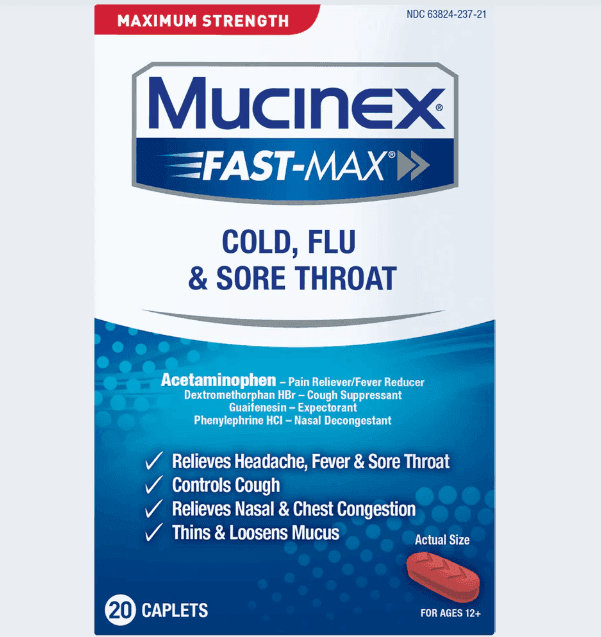
Book a telehealth visit to discuss Sore Throat
Find a doctor
Speciality
State

Video Visit
$69

Video Visit
$69

Video Visit
$69

Video Visit
$69

Video Visit
$69

Video Visit
$69

Speciality: Dermatology, Family Medicine, Men's Health, Urgent Care, Women's health
Speaks: English, Spanish, French, Arabic, Portuguese
Video Visit
$69

Video Visit
$69

Video Visit
$69

Video Visit
$69

Video Visit
$69

Video Visit
$69
Frequently Asked Questions
What are common causes of throat pain?
Throat pain can come from viral infections, like colds or flu. Bacterial infections, including strep, are another possible cause. Irritation can also play a role, such as allergies, reflux, dry air, smoking, or heavy voice use. Clinicians may use terms like pharyngitis or tonsillitis to describe inflammation. The most useful clues are timing, other symptoms, and medical history. A clinician can help sort causes safely.
How can I compare strep throat and other throat infections?
Strep throat is caused by group A strep bacteria. Other throat infections are often viral and do not respond to antibiotics. Symptom overlap is common, so clinicians may rely on an exam and sometimes a rapid test. Fever and swollen glands can occur with several illnesses. Cough and congestion often point toward a viral cause, but exceptions exist. A clinician review helps avoid unnecessary antibiotics and missed complications.
What information helps a clinician evaluate throat symptoms by video?
A clear symptom timeline helps, including start date and changes over time. A list of associated symptoms matters, like fever, cough, rash, or swollen glands. Recent exposures, travel, and sick contacts can be relevant. Medication allergies and current medicines help prevent interaction issues. For children, weight and age affect medication considerations. If available, a well-lit throat photo can support the discussion, without replacing an exam.
When is urgent care appropriate for throat symptoms?
Urgent evaluation is important for trouble breathing or inability to swallow liquids. Drooling, severe dehydration signs, or rapidly worsening neck swelling also needs prompt care. High fever with a new rash can signal a more serious illness. One-sided severe pain with jaw stiffness can be concerning. People with immune suppression, complex medical conditions, or very young infants may need lower thresholds for urgent assessment. When in doubt, seek emergency services.
Can prescriptions be coordinated through Medispress for throat infections?
When clinically appropriate, a licensed clinician may recommend prescription treatment. If a prescription is needed, it can be sent to a partner pharmacy, depending on state rules. Some situations still require in-person evaluation or testing first. Pharmacies and clinicians may use verification steps before dispensing. Non-prescription options do not require a prescription. Cash-pay access is often available, including options without insurance, but requirements vary by medication.